

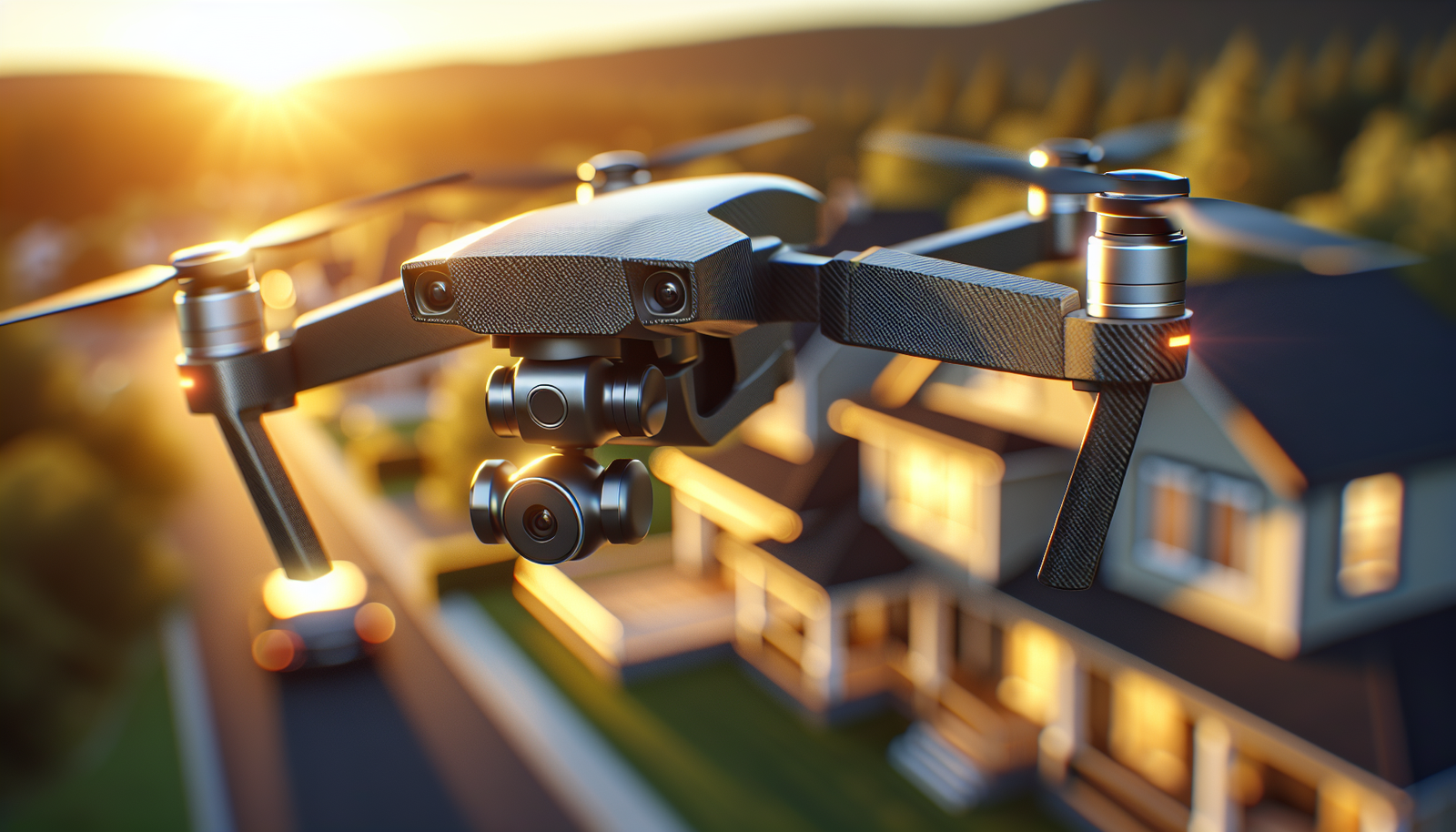
Have we ever wanted clearer property images that make listings feel immediate and real?
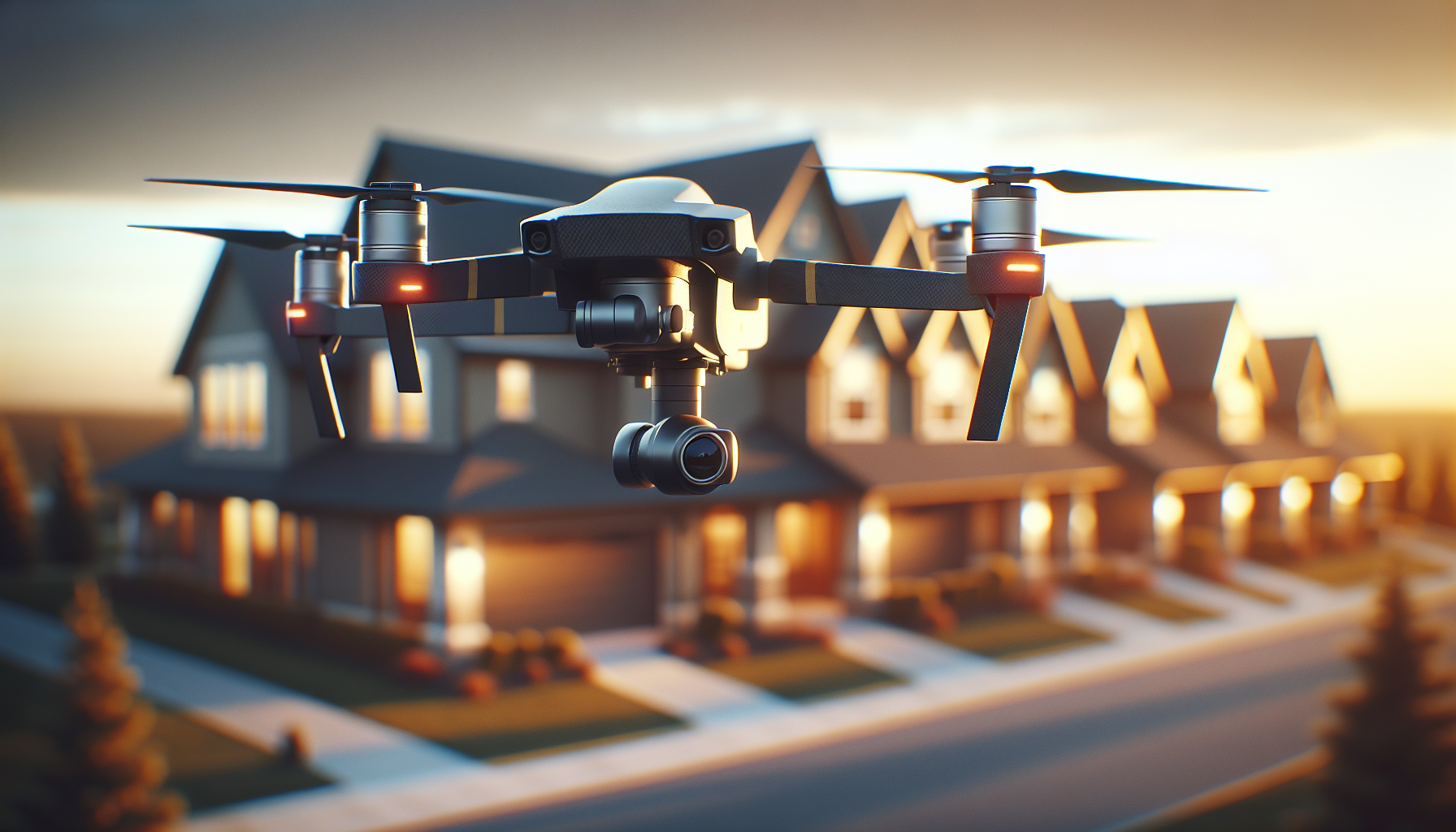
Real estate drone services capture clear property images
We write about how drone services change property photography. We show how drones capture clear images that help buyers and sellers. We keep the language simple and the structure direct. We aim to help agents, photographers, and property owners use drones with confidence.
What we mean by real estate drone services
We define real estate drone services as professional aerial imaging for property listings. We say this service includes flight planning, image capture, and image processing. We keep each step simple so teams can plan work and measure results.
Why aerial images matter
We state that aerial images show property context and scale. We say buyers value a clear view of the lot, the roof, and nearby features. We point out that good aerial images can increase listing views and interest.
How drones capture clear property images
We break the process into camera, flight, and processing. We keep each sentence direct to help readers follow the workflow.
Camera hardware and sensors
Drones carry cameras that record light and detail. We pick sensors with enough resolution for print and web. We mention common specs: 20MP sensors, 1-inch sensors, and larger sensors for high-end drones. We note that larger sensors capture more light and reduce noise.
Lenses and field of view
Drones use wide and standard lenses to capture different scenes. We choose wide lenses for property context and standard lenses for detail. We state that lens quality affects sharpness and distortion.
Gimbal stabilization
Gimbals keep cameras steady during flight. We explain that stabilization reduces blur and keeps horizon lines straight. We point out that 3-axis gimbals are common in professional services.
Flight planning and exposure
We design flight paths to cover property angles and heights. We set exposure to match light conditions and retain detail. We plan flights for golden hour and midday depending on the property needs.
Image capture techniques
We use single-frame photos for quick shots and bracketed sequences for HDR. We capture nadir (straight down) and oblique (angled) shots to show roof and facade. We fly grid patterns for orthomosaic maps and straight lines for video pans.
Data transfer and backup
We transfer images from drone to workstation after each flight. We keep files on local drives and cloud storage. We use checksums or file counts to confirm all files transferred.
Types of aerial shots and when to use them
We list practical shot types and simple reasons to use them. We keep each description short.
Nadir (top-down) shots
We use nadir shots for roof inspection and site area. We shoot these for lot measurements and mapping.
Oblique shots
We use oblique shots to show building facades and landscaping. We take them to highlight curb appeal.
Elevated panorama shots
We use panorama shots to show property size and surroundings. We stitch multiple images when needed.
Low altitude flyovers
We use low altitude flyovers for dynamic video and closer detail. We keep safe distance from people and structures.
High altitude context shots
We use high altitude shots to show neighborhood and access routes. We choose height to include roads, parks, and views.
Legal and safety considerations
We list regulations, training, and site safety. We state facts that help teams operate legally and safely.
Licensing and pilot certification
We require certified pilots to operate in regulated airspace. We register drones where required. We keep certifications current to comply with local rules.
Airspace restrictions and permissions
We check airspace restrictions before each flight. We request permission where law requires. We avoid flying in restricted or controlled areas without clearance.
Insurance and liability
We carry insurance that covers property damage and third-party claims. We check policy limits before major shoots. We document coverage for clients.
Safety protocols on site
We set safety zones around takeoff and landing points. We stage crew to keep bystanders clear. We check weather conditions and cancel flights when wind or rain threaten safety.
Privacy and neighbor relations
We confirm property boundaries and privacy zones. We notify neighbors when flights may affect them. We respect privacy laws and avoid recording private areas without permission.
Choosing a real estate drone service provider
We describe factors to check when selecting a provider. We keep the list practical and factual.
Equipment and camera quality
We check the drone model and camera specs. We prefer devices with gimbals and higher resolution sensors. We verify sample images for sharpness and color.
Pilot experience and portfolios
We review the provider portfolio and flight experience. We ask for recent examples that match the property type. We look for consistent image quality across listings.
Service options and deliverables
We request a clear list of deliverables and turnaround times. We expect raw files, edited images, and video formats if requested. We confirm file delivery methods and backup plans.
Pricing and packages
We compare package contents and prices. We check whether travel fees, editing fees, and licensing fees appear in the final quote. We select a package that fits our marketing needs.
Communication and scheduling
We choose providers who communicate flight times and weather plans. We confirm a backup date in case of poor weather. We maintain contact for quick updates.
Preparing a property for a drone shoot
We give a short checklist for agents and owners. We keep steps simple and action oriented.
Exterior cleanup and staging
We clear driveways, trim bushes, and remove clutter. We position outdoor furniture and open curtains for a clean look. We inspect roofs for visible debris.
Landscaping and curb appeal
We mow lawns, rake leaves, and add simple accents such as pots or fresh mulch. We place seasonal items carefully so they do not distract in photos.
Vehicle and sign placement
We park cars out of driveways when possible. We place “for sale” signs in clear sight lines where allowed. We remove temporary signs that block view.
Timing: light and weather
We schedule shoots around light that flatters the property. We prefer early morning or late afternoon for warm light and soft shadows. We avoid harsh midday light for direct frontal shots.
Access and permissions
We secure permission for flights over neighboring properties if needed. We unlock gates and ensure dogs are secured to avoid disruptions.
Post-production and image delivery
We explain common editing steps and file options. We keep the process clear and predictable.
Raw file processing and color correction
We convert raw files to high quality images and correct color and exposure. We maintain natural tones and avoid overprocessing. We check white balance and contrast.
HDR blending
We blend bracketed exposures to preserve shadow and highlight detail. We use HDR for interior shots that include windows and exterior views. We avoid unrealistic HDR that misrepresents the property.
Stitching and orthomosaics
We stitch grid images into large maps for lot planning and marketing. We export orthomosaics as georeferenced files for surveying use. We use consistent scale and resolution.
Image retouching
We remove small distractions like trash bins and minor reflections. We keep structural features intact. We avoid altering property features that would mislead buyers.
Video editing and motion stabilization
We piece flight clips into short promotional videos. We add smooth cuts and mild stabilization. We include title cards and contact information when requested.
File formats and delivery
We deliver high resolution JPEGs for listings and TIFFs for print when needed. We provide MP4 or MOV files for video. We package files for web upload and client archiving.
Table: Common deliverables and typical uses
| Deliverable | Typical use | File format | Notes |
|---|---|---|---|
| High-res photos | MLS listings, brochures | JPEG, TIFF | 20–50 MP images for print |
| HDR interior photos | Listings with bright windows | JPEG | Preserves detail inside and outside |
| Orthomosaic maps | Site planning, surveys | GeoTIFF | Useful for acreage and measurements |
| 3D models / DSM | Virtual tours, inspection | OBJ, LAS | Useful for advanced marketing |
| Video clips | Social media, property tours | MP4, MOV | Short clips 15–60s |
| Inspection images | Roof and structure assessment | JPEG, RAW | Close-ups with metadata |
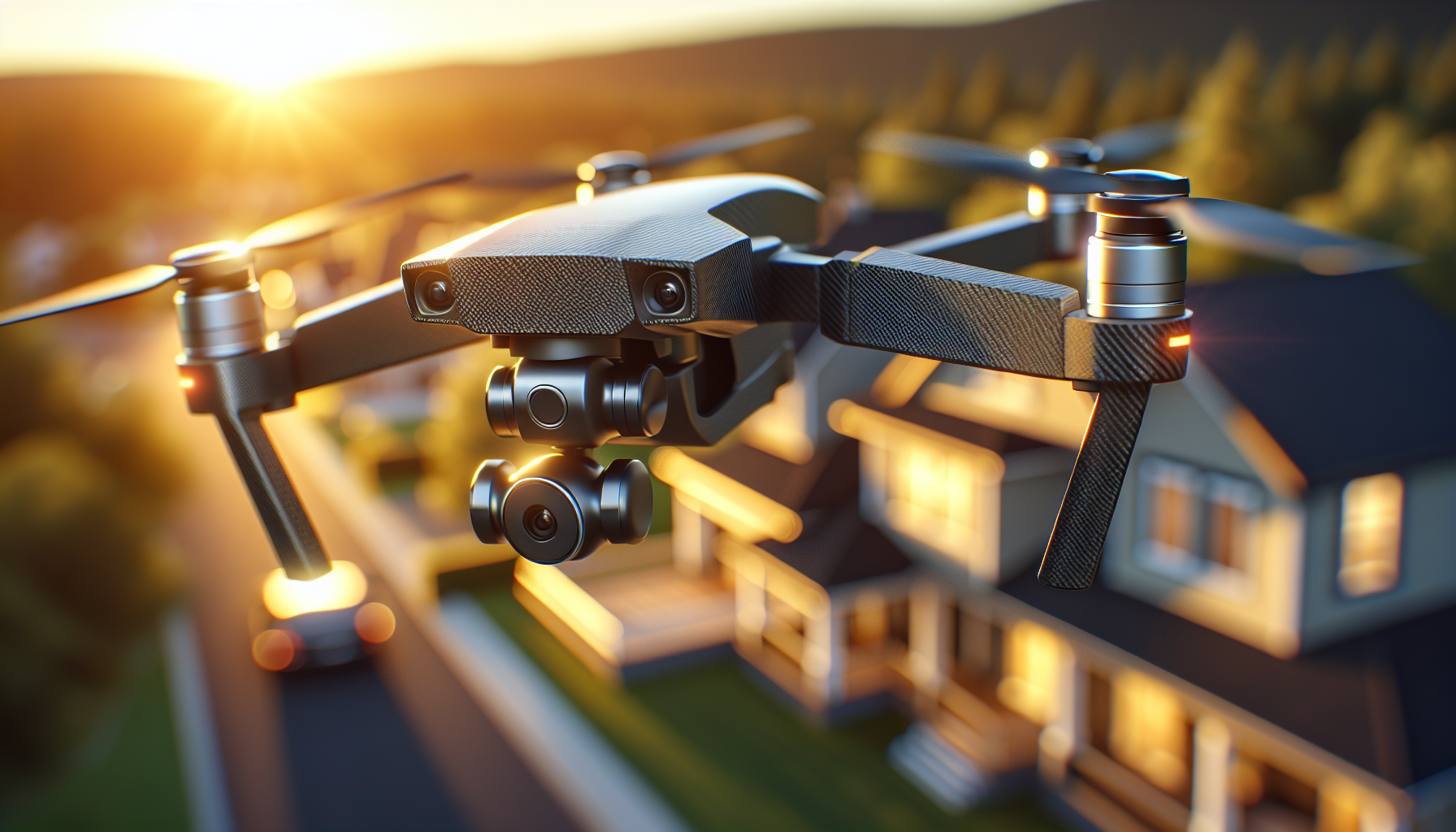
Use cases for real estate drone images
We list common scenarios where aerial images add value. We describe clear outcomes for each use case.
Residential listings
We use aerial images to show roof condition, lot size, and outdoor features. We place emphasis on curb appeal and surroundings. We highlight pools, patios, and gardens.
Luxury and high-end properties
We use dramatic angles and cinematic video for high-end listings. We show large grounds, water access, and unique features. We craft material that matches premium branding.
Commercial properties
We use aerial images to show building scale, parking capacity, and access routes. We include surrounding commercial nodes such as shops and transit lines. We provide images that support leasing and investment decisions.
Land and acreage sales
We use orthomosaics and high altitude images to show boundaries and topography. We measure acreage and mark key features like water and roads. We help buyers visualize land use.
Roof and structure inspections
We use close aerial images to identify wear and damage on roofs and facades. We reduce the need for ladder work and scaffolding. We document condition for insurance and repair planning.
Construction progress and site monitoring
We use regular drone flights to record progress and compare stages. We produce time-lapse sequences and site maps. We help builders and clients track milestones.
Measuring return on investment (ROI)
We provide simple ways to measure the value of drone images. We keep metrics clear and action oriented.
Listing performance metrics
We track listing views, inquiries, and open house attendance before and after adding aerial images. We compare days on market and offer amounts. We attribute improvements to better visual presentation.
Marketing metrics
We monitor social media engagement, click-through rates, and ad performance for posts with aerial content. We measure cost per lead for campaigns that use drone visuals. We compare those metrics to past campaigns.
Inspection and repair savings
We estimate cost savings when drones replace manual roof inspections. We calculate reduced time, safety risk, and labor costs. We record documented defects that lead to timely repairs.
Project management value
We use aerial mapping to reduce survey time and rework. We tally reduced site visits and improved decision speed. We record client feedback on clarity and communication.
Case studies: short examples
We offer concise stories that show outcomes. Each story keeps facts clear and short.
Suburban home sells faster
We worked with an agent to shoot aerial images for a four-bedroom home. We photographed the pool, backyard, and roof. We saw listing views rise and the home sell within two weeks. The final sale exceeded list price.
Commercial lot finds new tenant
We shot aerial images for a retail parcel near transit. We captured parking layout and access roads. The images helped the landlord secure a tenant for a retail chain. The lease signed faster than expected.
Builder tracks construction phases
We provided weekly drone maps for a multi-home build. We produced orthomosaic maps and progress videos. The builder reduced site visits and updated clients with clear images. The project stayed on schedule.
Cost factors and pricing models
We explain typical pricing elements and what influences price. We keep items simple and transparent.
Common cost components
We list base flight fees, travel, editing, and licensing. We add charges for rush delivery and complex sites. We include insurance and regulatory fees when applicable.
Pricing models
We describe per-photo, per-project, and subscription models. We say per-photo works for small jobs. We say per-project works for single listings. We say subscriptions work for volume clients like developers and brokerages.
Typical price ranges
We present general ranges to set expectations. We note that prices vary by region and service quality.
| Service type | Typical price range | Notes |
|---|---|---|
| Single listing shoot | $150–$500 | Includes 10–20 photos, basic editing |
| Advanced marketing package | $500–$1,500 | Includes video, HDR, and retouching |
| Inspection or mapping | $300–$2,000 | Depends on acreage and processing |
| Subscription plans | $1,000+/month | For regular shoots and priority scheduling |
Equipment and technology trends
We describe relevant tech features that affect image quality. We keep language clear and avoid buzzwords.
Improved sensors and low-light performance
We note that newer sensors capture more light and lower noise. We state that low-light capability allows flexible shoot times.
Larger dynamic range
We state that dynamic range helps preserve details in highlights and shadows. We use HDR techniques with cameras that offer wide dynamic range.
Automated flight and mapping software
We mention software that plans grid flights and keeps overlap consistent. We use automation for reliable maps and repeatable shoots.
Integration with 3D modeling tools
We say drones produce data for 3D models and terrain maps. We export formats that work with common modeling tools.
Frequently asked questions (FAQ)
We answer common questions with short direct sentences.
Do drones replace ground photography?
We say drones complement ground photography. We recommend combining aerial and interior shots for full listing coverage.
Are drone images legal for MLS?
We say many MLS boards accept drone images. We advise checking local MLS rules and disclosure requirements.
How long does a shoot take?
We say a typical shoot takes 30–90 minutes on site. We add more time for inspections and mapping.
What is the weather limit?
We say we cancel flights in high wind, heavy rain, or lightning. We aim to fly only when conditions allow clear, sharp images.
Can drones photograph interiors?
We say small drones can fit inside some spaces. We caution that interior drone use requires skill and care.
Ethical considerations and accuracy
We discuss truthfulness and transparency in listing images. We keep the guidance clear and actionable.
Representing properties truthfully
We state that images must reflect actual property condition. We avoid edits that change property size or features. We keep buyer trust as a priority.
Disclosure of drone use and editing
We recommend disclosing major edits and the use of aerial imagery when required. We file reports for inspections and safety records when needed.
Data security and storage
We state that client files require secure storage. We use encrypted cloud storage for sensitive files. We restrict access to authorized team members.
Preparing contracts and service agreements
We list key contract elements. We write them in simple terms to help teams reduce disputes.
Scope of work
We list the deliverables, timelines, and shooting constraints. We include approvals for editing and publishing.
Licensing and usage rights
We state usage rights clearly for MLS, social media, and print. We specify any resale or third-party use limits.
Cancellation and rescheduling
We define weather policies, rescheduling windows, and cancellation fees. We protect both client and provider interests.
Liability and insurance clauses
We include insurance proofs and liability limits. We require clients to inform us of any on-site hazards.
Tips for agents and owners
We give short practical tips to prepare and promote listings. Each tip stays short and actionable.
- We schedule shoots for favorable light and calm wind.
- We clear cars and toys from visible areas.
- We provide client contact and gate codes ahead of the shoot.
- We request sample images before bulk delivery.
- We share aerial images across social channels with clear captions.
Closing thoughts
We return to the core idea: clear images sell faster and inform buyers. We keep our closing sentences direct and candid.
We believe aerial images improve how buyers see properties. We recommend combining high-quality drone shots with strong ground photography. We expect that clear images will remain a standard part of listing marketing.
If we use drones carefully and ethically, we can create images that match facts and feel honest. We plan shoots that respect rules and neighbors. We measure results so we can refine the process and improve outcomes.