

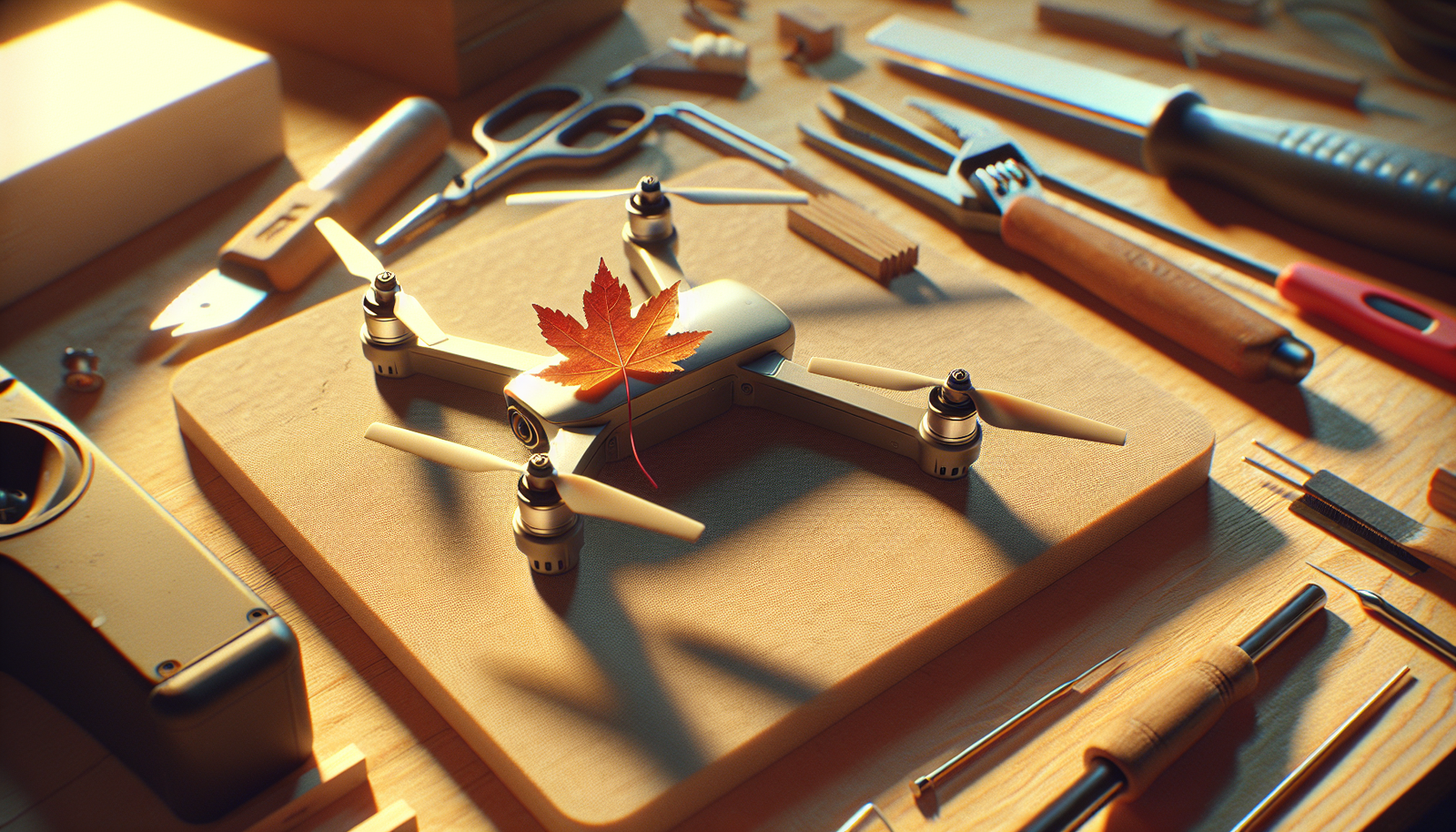
Have we ever looked up at a maple tree and felt our stomach drop?
Drone repair services fix the drone I crashed into the maple tree
We write this as people who crashed a drone into a maple tree. We speak from that moment and from what we learned. We guide the reader through quick actions, damage checks, repair choices, costs, and prevention. We keep language clear. We keep sentences direct. We keep the tone warm.
What happens when a drone hits a tree?
A drone stops or falls when it hits a tree. Branches catch the drone and may hold it or throw it further. The drone may lose propellers, the body may crack, and the camera may shift. Electronics may suffer water or impact damage. We check these things first.
First steps after the crash
We cut power to the drone if we can reach it safely. We remove the battery when the drone is on the ground. We avoid moving the drone if it hangs high in the branches. We call for help if we cannot reach the drone.
Safe retrieval from the maple tree
We pick a stable ladder if we can reach the drone safely. We ask another person to hold the ladder. We use a long pole with a soft hook if the drone sits on thin branches. We hire a tree service if the drone sits high or the branches look weak. We use drones with retrieval hooks if we plan ahead.
Initial damage assessment
We check the frame for cracks and breaks. We test propellers for chips and bends. We inspect the motors for foreign objects and rough spinning. We check the camera for scratches and loose mounts. We test the battery for swelling and damage.
Safety first: battery checks
We do not charge a damaged battery. We look for swelling and punctures on the battery. We smell for burning or chemical odors. We place a damaged battery in a fireproof container and take it to a recycling or disposal center. We avoid home disposal.
Common parts that break in tree crashes
We see some parts break more often than others after a tree crash. Typical failures include propellers, motors, arms, gimbals, cameras, and the flight controller. Electronics and connectors may also fail when the drone hits branches.
| Part | Common symptom | Repair type | Typical cost range (USD) |
|---|---|---|---|
| Propellers | Chips, cracks, imbalance | Replace | $5–$30 |
| Motors | Grinding, non-spin, noise | Repair or replace | $25–$150 each |
| Arms/Frame | Cracks, breaks | Replace part or shell | $20–$200 |
| Gimbal | Tilt errors, wobble | Recalibrate or replace | $50–$300 |
| Camera | Blurred image, scratches | Clean or replace | $50–$500 |
| Flight controller | No power, erratic behavior | Diagnose/replace | $100–$400 |
| Battery | Swelling, no charge | Replace | $20–$200 |
| ESCs (speed controllers) | Motor misbehave | Replace | $20–$100 each |
Can we fix the drone at home?
We can fix minor damage at home. We replace propellers and reset firmware when parts work. We avoid home repair for stubborn electrical faults. We avoid home repair when the frame breaks near critical mounts. We take the drone to a repair service in those cases.
When to choose a repair service
We choose a repair service when the drone shows electrical or flight-control faults. We choose a repair service when the gimbal or camera needs precise work. We choose a repair service when we lack tools or parts. We choose a repair service when we want a warranty on the repair.
How repair shops diagnose damage
Repair shops inspect the drone visually first. They power the drone safely and run basic checks. They connect diagnostic tools to the flight controller. They run test flights when ground checks pass.
Typical repair steps
A repair service follows clear steps. They disassemble the drone carefully. They test and replace damaged parts. They clean contacts and connectors. They update or reload firmware as needed. They calibrate sensors and gimbals. They run a test flight and a final inspection.
Typical repair timeline
We usually see a mix of timelines depending on damage. Minor repairs take one to three days. Moderate repairs take three to seven days. Major repairs or parts backorders take one week to several weeks.
| Repair level | Typical time frame |
|---|---|
| Minor (propellers, quick fixes) | 1–3 days |
| Moderate (motors, gimbal repairs) | 3–7 days |
| Major (frame replacement, flight controller) | 1–4 weeks |
| Parts backorder | Varies; 1–8+ weeks |
Typical repair costs
We present a general sense of costs. Actual costs vary by model and shop. Warranty coverage reduces our cost if the damage is covered. Damage from crashes usually falls outside standard warranties.
| Repair example | Low cost | High cost |
|---|---|---|
| Propeller replacement | $10 | $30 |
| Motor replacement | $30 | $200 |
| Gimbal repair | $50 | $350 |
| Camera replacement | $100 | $800 |
| Frame/arm replacement | $25 | $400 |
| Flight controller | $100 | $500 |
| Full rebuild | $400 | $2,000+ |
Replacement parts: what we need
We list the parts that often need replacement. We order genuine parts when possible. We keep serial numbers and model details ready when we order. We confirm compatibility before buying.
| Part type | Notes |
|---|---|
| Propellers | Match model and size |
| Motors | Match KV rating and mounting |
| ESCs | Match current rating and firmware |
| Flight controller | Match model and connectors |
| Gimbal | Match camera and mounting |
| Camera lens | Match mount and resolution |
| Frame pieces | Match mounting points |
| Batteries | Match voltage and capacity |
Battery and electronics: what to check
We check the battery for swelling, heat, and punctures. We measure battery voltage with a meter. We test connectors for corrosion. We inspect circuit boards for cracked solder joints or loose components. We avoid power cycles if we suspect short circuits.
Frame, props, gimbal, camera: specifics
We check the frame near motor mounts for cracks. We balance propellers before flight. We inspect gimbal wires for pinched or loose connectors. We test the camera video feed at low resolution first. We tighten all screws to the correct torque.
Firmware and calibration after repair
We update the drone firmware when parts change. We calibrate the compass, IMU, and gimbal after repairs. We reset flight parameters if we replace flight-control components. We run short tethered test flights first.
Warranty and guarantees
We ask repair services about their warranty length. We get warranty terms in writing before we approve work. We check whether the warranty covers the part and the labor. We avoid verbal-only promises.
Insurance and claims
We check whether our drone policy covers the crash. We contact our insurer quickly to start a claim. We collect evidence: photos of the drone, the tree, and the crash site. We keep receipts for repairs and parts. We ask the repair service for an itemized invoice.
Finding the right repair shop
We look for repair shops that work with our drone brand. We read customer reviews and ratings. We ask about spare-part sources and warranties. We ask for a written estimate before they start work. We prefer shops that provide diagnostic reports.
Questions to ask your repair service
- Do you work on my drone model? We verify model experience.
- What parts will you use? We prefer genuine parts.
- Do you offer a warranty? We ask for length and coverage.
- How long will repairs take? We ask for estimates and contingencies.
- Can you give a written estimate? We keep the estimate for our records.
- Will the repair include a test flight? We confirm post-repair testing.
- Do you offer data recovery? We ask if our flight logs matter.
- How do you handle batteries? We ask for safe battery disposal procedures.
Cost-saving choices
We weigh repair versus replacement costs. We buy individual parts when the drone has a solid core. We accept refurbished parts when the shop verifies them. We keep spare propellers and batteries to reduce downtime. We compare repair quotes from multiple shops.
DIY repair guide (step-by-step)
We offer a clear plan for simple fixes. We warn the reader to stop if the work grows complex. We keep steps simple.
- Power down the drone. Remove the battery.
- Photograph the drone from all sides. We create a visual record.
- Remove broken propellers. We install new propellers and test spin by hand.
- Inspect motors. We look for debris and bent shafts.
- Spin motors by hand. We hear smooth rotation or grinding.
- Remove and clean connectors. We use contact cleaner.
- Reinstall the battery and power on briefly. We watch for error lights.
- Connect to the flight app. We check sensor readings.
- Calibrate the compass if the app requests it. We follow app prompts.
- Conduct a short tethered hover test in a safe area. We keep the drone low.
- Land immediately at the first sign of vibration or drift. We stop further testing.
We stop and ask a professional if the motors do not spin smoothly. We stop and ask a professional if the flight controller reports errors.
Tools we need at home
We list tools that help small fixes.
- Small Phillips and Torx drivers. We loosen and tighten screws.
- Prop balancer. We balance replacement propellers.
- Soldering iron and solder. We fix loose connectors carefully.
- Multimeter. We check battery voltage and continuity.
- Heat gun. We shrink tubing where needed.
- Small pliers and tweezers. We handle small parts.
We buy tools from reliable brands. We store tools in a dry case.
When to avoid DIY
We avoid DIY when the flight controller shows intermittent faults. We avoid DIY when motors draw odd current or smoke. We avoid DIY when the battery is swollen or punctured. We avoid DIY when the gimbal or camera needs precise alignment.
Safety precautions during repair
We disconnect batteries before soldering. We work on non-conductive surfaces. We wear eye protection if we cut propellers. We keep a small fire extinguisher nearby when working on batteries. We keep children and pets away.
Preventing future tree crashes
We plan flight paths away from tall trees. We fly with a spotter when we operate near obstacles. We use prop guards for practice flights. We check wind conditions before we fly. We keep firmware and obstacle-sensing systems updated.
Using technology to reduce crash risk
We enable geofencing when we fly in urban settings. We use visual sensors and lidar when available on the drone. We practice with simulator software before risky flights. We maintain a clear line of sight to the drone.
Legal and local rules to remember
We check local laws before we fly. We avoid flying over private property without permission. We follow altitude and distance limits in our area. We register our drone if rules require it. We follow no-fly zones.
Case study: our maple tree crash and repair story
We flew a small quadcopter on a late afternoon. We underestimated a gust near a maple tree. The drone drifted into low branches and stopped. We climbed a ladder and reached the drone carefully. The frame cracked on one arm. One propeller snapped. The motor made a grinding sound. The camera tilted to one side.
We brought the drone home and removed the battery immediately. We took clear photos of the damage. We called a local repair shop the next morning. The service technician inspected the drone and found a damaged arm and a misaligned gimbal. They ordered a replacement arm and two motors. They cleaned the connectors and replaced the propellers on site.
We waited six days for parts. The shop installed the parts and recalibrated the flight controller. They performed a tethered test flight and then a short open flight in a safe area. We picked up the drone and paid for the parts and labor. The total cost matched the written estimate.
We learned to keep spare propellers. We learned to fly with a spotter near trees. We learned to inspect motors after any impact. We felt relief when the drone flew smoothly again. We also felt more cautious on the next flights.
What a repair estimate should include
We ask for a clear breakdown in the estimate. We expect parts, labor, diagnostic fees, and any taxes to appear separately. We expect a timeline and warranty details. We expect the shop to list alternatives, such as refurbished parts.
| Estimate item | Why it matters |
|---|---|
| Diagnostic fee | Shows time spent to find the issue |
| Part cost | Shows what part makes up the price |
| Labor cost | Shows the shop work charge |
| Warranty term | Covers future failures after repair |
| Test flight | Confirms the drone flies after repair |
Data and logs: why they matter
We export flight logs when possible. Logs show the last flight before the crash. Logs show sensor readings and error codes. Logs help the shop diagnose the cause. We save logs to cloud or local backup for insurer claims.
Environmental concerns
We dispose of damaged batteries properly. We recycle broken electronics at certified centers. We avoid burning battery cells. We ask the repair shop about recycling options.
Common repair myths
We bust a few myths in short sentences.
- Myth: All repairs must go to the manufacturer. Fact: Independent shops can repair many models.
- Myth: Refurbished parts always fail sooner. Fact: Quality refurbished parts can work well.
- Myth: A cracked shell means total loss. Fact: Many cracks allow simple part replacement.
How to test the drone after repair
We do a stepwise test. We perform a motor spin test on the ground. We run a hover test in a large open area. We test for drift and yaw stability. We test the camera feed and gimbal motion. We perform a short flight with slow maneuvers. We land and recheck screws.
Signs that a repair failed
We watch for repeated vibration. We watch for sudden power loss. We watch for erratic yaw or roll. We watch for gimbal jitter. We return to the shop if we see these signs.
When a replacement makes sense
We replace the drone when repair costs approach replacement cost. We replace the drone when multiple core components fail. We replace the drone when the airframe no longer supports upgrades.
Keeping a repair and maintenance log
We keep a log of repairs and part dates. We note serial numbers and part sources. We track flight hours by date. We show the log to repair shops to help diagnosis.
Choosing spare parts to stock
We keep extra propellers and a spare battery. We carry a small screw kit and zip ties. We carry a spare set of common screws for our drone. We buy a spare motor if we fly in risky areas often.
Professional vs manufacturer repair pros and cons
We compare both briefly.
- Manufacturer: They offer direct parts and brand knowledge. They often take longer and cost more.
- Independent shop: They often offer faster service and lower cost. They may use third-party parts, but they can fit genuine parts on request.
We weigh our needs before we pick.
Checklist for sending your drone to a repair shop
- Power down the drone and remove the battery before shipping.
- Photograph the damage from multiple angles.
- Export and include flight logs if possible.
- Include the model and serial number.
- Pack the drone in a padded box and secure loose parts.
- Get a tracking number and insurance for the shipment.
Frequently asked questions
Q: Can a cracked propeller cause a crash?
A: Yes. A cracked propeller can unbalance and cause vibration that makes the drone lose stability.
Q: Will the repair shop fix water damage?
A: Many shops can repair water damage. They must dry and clean the electronics first. Severe corrosion may require part replacement.
Q: How long do repairs take after parts arrival?
A: Shops often take 2–7 days to complete repairs after parts arrive, depending on workload.
Q: Should we tell the insurer before repair?
A: Yes. We contact the insurer before major repairs to confirm coverage and claims process.
Q: Can we fly immediately after repair?
A: We perform careful tests before extended flight. We run a tethered hover and a short test flight.
Final checklist before flying again
- We inspect propellers and motors.
- We balance propellers.
- We verify firmware and calibrations.
- We secure the battery and check voltage.
- We test sensors and camera feed.
- We choose a safe open area for the first flight.
Closing thought
We learn from mistakes when we look at them calmly. We take clear steps after a crash. We fix what is broken. We change our habits so we reduce risk on the next flight. We keep flying with care.