

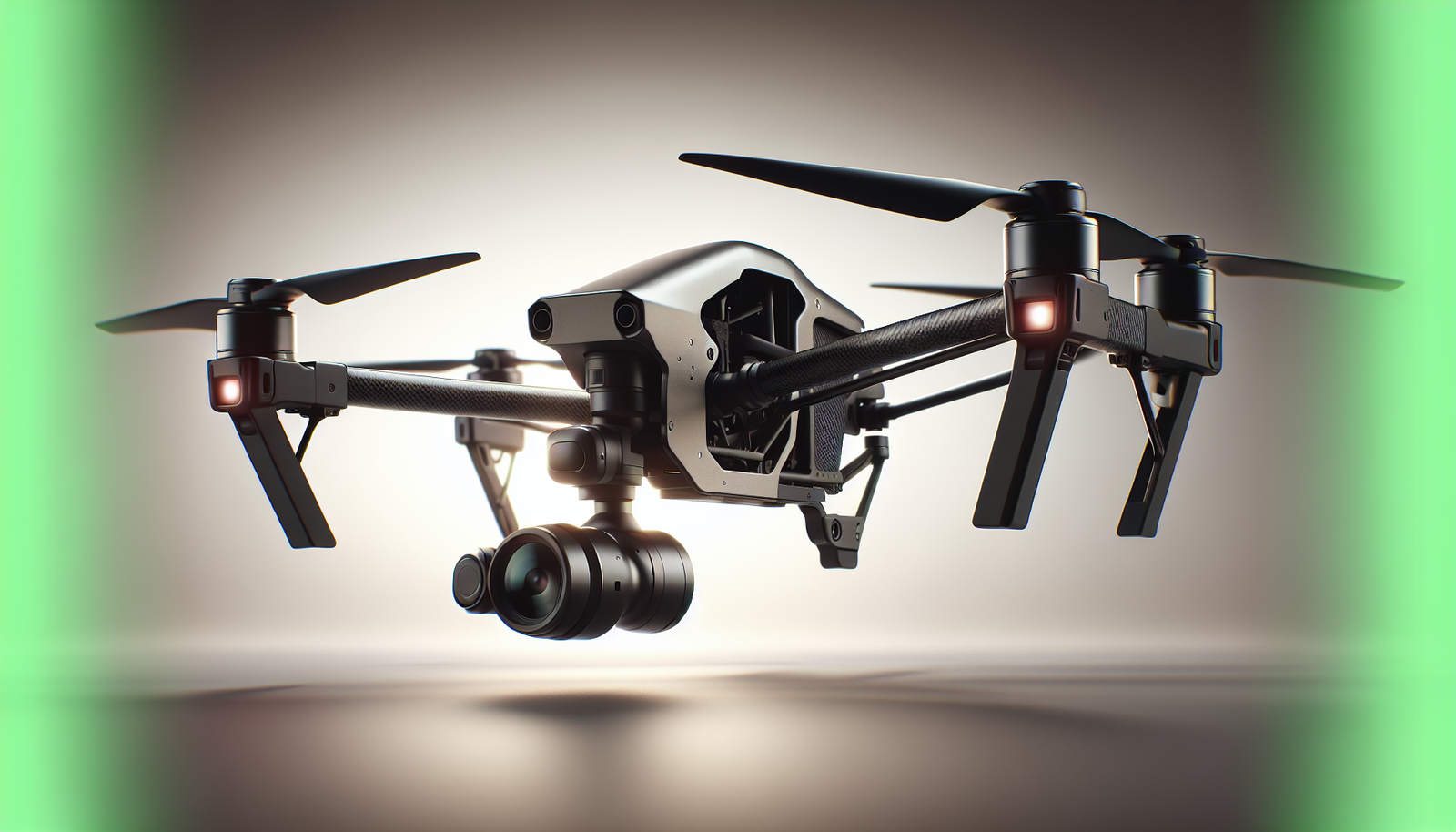
Have we thought about how a drone rental can change the way we film from above?
Drone rental services deliver reliable aerial filming
We write this to help us decide on drone rental for filming. We place facts next to practical advice. We keep sentences clear. We keep structure simple.
Why we choose drone rental
We save money by renting a drone for a single project. We avoid large capital spending on equipment we will not use daily. We access recent models when we rent. We gain flexibility in project planning.
We find that rental removes long-term maintenance duties. We get insurance, batteries, and accessories in many rental packages. We often get short-term access to high-end cameras this way.
How drone rental works
We search rental platforms or local shops. We select a drone by model, camera, and flight time. We book dates and choose delivery or pickup. We sign a rental agreement, provide ID, and pay a deposit or full fee. We collect the drone or receive it by courier. We return the drone at the end of the rental period in the agreed condition.
We inspect the drone on pickup or delivery. We test basic functions like motors, gimbal, and camera before we leave. We keep spare batteries and propellers. We document the condition with photos or video.
Common rental terms we meet
We list common rental terms to help us understand contracts and pricing.
| Term | What it means |
|---|---|
| Daily rate | The cost to rent the drone for one day |
| Weekly rate | A discounted rate for a week-long rental |
| Deposit | A refundable amount held against damage |
| Insurance | Coverage for damage, theft, or liability |
| Mileage or delivery fee | Cost to deliver or courier the drone |
| Overtime fee | Charge if we return the drone late |
| Replacement cost | The charge if we damage or lose the drone |
We read each term before we sign. We ask for clarity if we do not understand a clause.
Types of drones we can rent
We sort drones by use and camera capability. We choose consumer, prosumer, or professional drones.
- Consumer drones: We use them for simple shots and practice. They cost less to rent. They handle basic 4K video well.
- Prosumer drones: We use them for higher image quality and stable gimbals. They offer better sensors and flight controls.
- Professional drones: We use them for cinema projects and precise work. They support interchangeable lenses and high bitrate recording.
We pick a drone by the camera sensor, lens options, and flight time. We check gimbal stability, obstacle sensing, and remote range.
Camera specs that matter
We focus on sensor size and resolution. We also check bitrate and color profiles.
- Sensor size: A larger sensor captures more light. We prefer larger sensors for low light.
- Resolution: We choose 4K, 6K, or higher depending on delivery needs.
- Bitrate: We prefer higher bitrate for cleaner footage and more headroom in color grading.
- Color profiles: We look for Log or flat profiles for grading.
- Stabilization: We verify gimbal performance to reduce shake.
We test the camera settings before we fly. We shoot test clips in the rental area. We check exposure and color.
Flight regulations and permits
We follow local rules and laws when we fly. We research national and local drone rules before we plan a shoot. We check airspace classes and no-fly zones. We get permits if we need them.
We register drones if law requires registration. We obtain pilot certifications if rules require them. We file for waivers or special permits for night flights or flights over people if rules allow. We plan according to the most restrictive rule that applies to our project.
Safety practices we follow
We prepare a safety plan for every flight. We select a safe launch area and keep a visual line of sight. We check weather before we fly.
We inspect the drone before the flight. We charge all batteries fully and pack spares. We update firmware if needed and if the rental allows updates. We keep a fire extinguisher or safety gear depending on location.
We brief our team before each flight. We assign roles like pilot, safety officer, and spotter. We maintain a safe distance from people and property.
Insurance and liability
We confirm insurance coverage in the rental contract. We ask whether the rental includes damage protection or liability insurance. We buy additional coverage if we need wider protection.
We check what the insurance covers. We note exclusions like operation in restricted airspace or flights over crowds. We document any damage and report incidents to the rental company immediately.
We keep proof of insurance and permits on hand while we fly. We carry contact numbers for the rental company and our legal counsel if we need them.
Cost factors for drone rental
We explain the main cost drivers. We look at daily rate, insurance, delivery, and extra gear.
- Drone model: Newer models cost more to rent.
- Camera package: High-end camera modules and lens kits increase the rate.
- Flight time: More batteries or dedicated flight time increases cost.
- Pilot service: Hiring a certified pilot raises the price.
- Insurance: We add insurance costs to the total budget.
- Accessories: Extra propellers, cases, or controllers may add fees.
We budget for hidden costs like overtime, damage fees, and data storage.
Pricing models we see
We describe common pricing models so we can compare offers easily.
| Model | How it works |
|---|---|
| Daily/Hourly | We pay for each day or hour of use |
| Weekly/Monthly | We pay a reduced rate for longer rentals |
| Project-based | We agree a fixed price for the whole project |
| Pilot-included | The fee includes a pilot who handles operations |
| Gear bundles | We rent drone plus accessories in one package |
We choose the model that suits our schedule and budget. We check cancellation policies and refill fees.
Hiring a pilot or using our pilot license
We decide between hiring a pilot from the rental company or using our pilot. We consider certification, experience, and insurance.
We hire a pilot if we lack certification or if the shoot is complex. We check the pilot’s log and ask for references. We make sure the pilot has insurance that covers third-party liability.
We use our pilot license if we have current certification. We confirm that our insurance covers rental equipment. We practice at a safe site before the shoot with the rented drone.
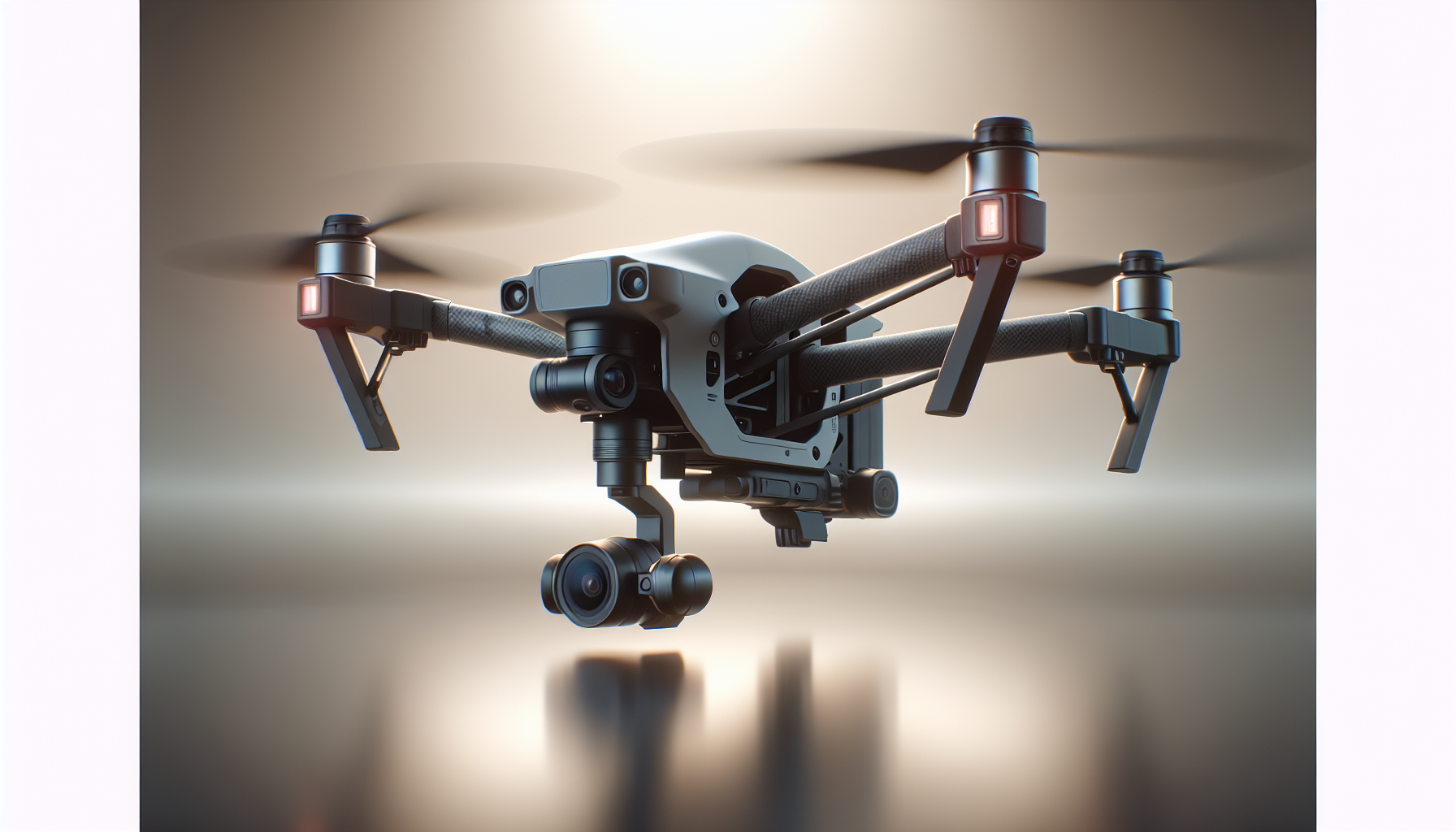
Pre-flight checklist we use
We keep a simple pre-flight list to ensure safe operations.
- Check weather and wind.
- Verify permits and airspace clearance.
- Inspect drone for damage.
- Charge batteries fully.
- Update firmware if allowed.
- Mount camera and memory cards.
- Calibrate gimbal and compass.
- Test motor spin and control response.
- Set fail-safe and return-to-home options.
- Brief team and place spotters.
We follow this checklist for every flight.
Battery and power management
We manage batteries to avoid midair failures. We pack enough batteries for the planned flight time and margin.
We calculate usable flight time per battery. We plan for at least 30% reserve. We avoid fully draining batteries in the field. We store batteries at optimal temperatures.
We carry a battery charger and power source. We label batteries to record cycles and age. We follow rental company rules on battery handling.
Image capture techniques
We approach aerial filming like any other cinematography. We plan shots with clear motion and intent. We use simple moves to create visual interest.
We use slow, steady movements for cinematic shots. We use tracking to follow subjects. We use reveal moves to show context and scale. We avoid abrupt moves or rapid ascents close to people.
We set shutter speed according to the frame rate. We use ND filters to control exposure and motion blur. We bracket exposure when lighting is challenging.
Camera settings for common scenarios
We list straightforward settings to start with, and we adapt as needed.
- Daylight, 24–30 fps: Use shutter speed at 1/48 or 1/60 for natural motion.
- Action, 50–120 fps: Use higher frame rate for slow motion; increase shutter accordingly.
- Low light: Increase ISO but stay within acceptable noise limits; open aperture if possible.
- High dynamic range scenes: Shoot in Log or flat profile if available.
We test settings at the start and adjust based on the results.
Framing and composition from the air
We compose shots simply. We use the rule of thirds and leading lines. We mind horizon placement and keep it straight.
We place subjects so they have space to move. We use height to change perspective. We use scale to show size differences between objects and landscape.
We avoid over-cropping in camera. We shoot wide and plan to crop later if needed.
Post-production workflow
We handle files methodically after each flight. We copy footage to two separate drives. We label folders by date and shot.
We transcode footage if needed. We use proxy files for editing if original files are large. We apply primary color correction first, then refine with LUTs and grading.
We sync drone footage with audio if we use separate recordings. We compress export files for delivery and archive originals.
Data management and backups
We protect footage by using a clear backup plan. We copy files to a dedicated workstation and an external drive. We use cloud storage for a third copy when time and bandwidth allow.
We check checksum where possible for file integrity. We keep a log of footage and metadata. We retain all footage until final sign-off.
Use cases for drone rental
We outline common use cases to match our needs to drone options.
- Real estate: We show property exteriors, neighborhood, and approach shots.
- Events: We capture crowd shots, venue overviews, and procession angles.
- Film and television: We record cinematic movement and aerial sequences.
- Inspection: We inspect roofs, towers, and bridges with high-resolution cameras.
- Agriculture: We use multispectral sensors to monitor crop health.
- Surveying and mapping: We create orthomosaic maps and 3D models.
We choose gear and pilot skills based on the project type.
Real estate filming specifics
We plan shots to show property layout and context. We bring ND filters for bright days. We time flights for golden hour for warm light.
We follow local rules for flights near houses. We get permission from property owners and neighbors if required. We avoid flying directly over people or private spaces.
Event filming specifics
We coordinate with event organizers. We agree flight windows and safe zones. We avoid flying over crowds unless we have special permits and insurance.
We assign a spotter to maintain visual line of sight. We use smaller, more agile drones for tight venues. We plan for battery swaps to cover the whole event.
Inspection and survey specifics
We use drones for close visual inspection of structures. We fly slowly and keep a controlled distance from the object. We take overlapping images for reliable analysis.
We choose cameras with high resolution or multispectral sensors for specific tasks. We process images with photogrammetry software for 3D models when we need detailed measurements.
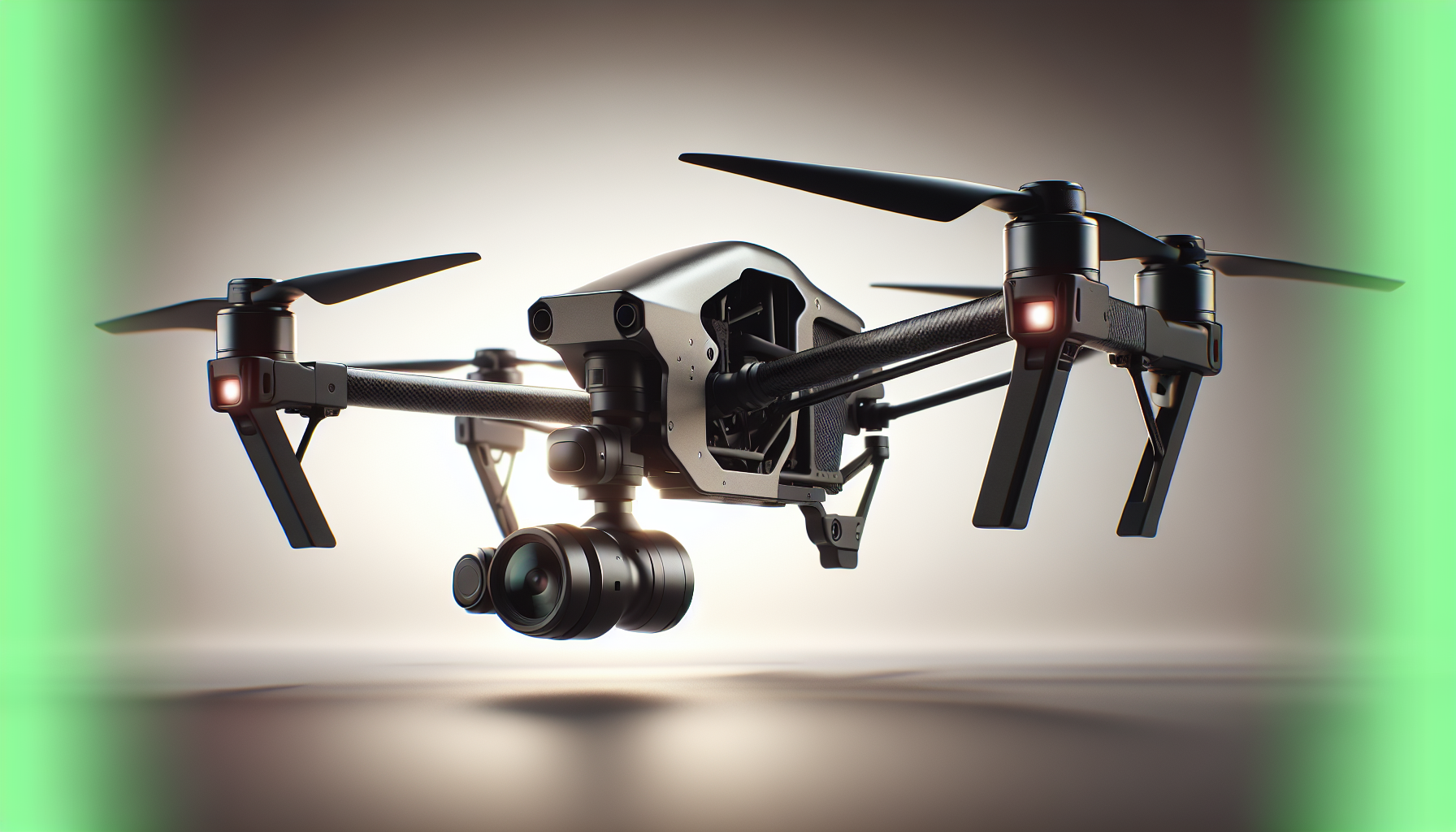
Legal and privacy considerations
We respect privacy when we film. We avoid filming private areas without consent. We inform people who may appear in our footage when possible.
We comply with data protection rules regarding storage and sharing. We redact or blur faces if required. We secure data to prevent unauthorized access.
Troubleshooting common issues
We list simple fixes for common problems.
- Signal loss: Move to a clear area and maintain line of sight.
- Gimbal jitter: Check gimbal mounts and camera balance.
- Motor noise: Inspect propellers for damage or dirt.
- Poor image quality: Check camera settings and clean the lens.
- Battery drain: Reduce payload and check battery health.
We document problems for the rental company and repair service if needed.
Environmental and ethical concerns
We respect wildlife and natural habitats while we fly. We keep distance from animals and sensitive areas. We avoid disturbing nesting or feeding sites.
We plan flights to minimize noise impact in quiet neighborhoods. We use the lowest safe altitude that achieves the shot.
We consider carbon footprint related to travel and choose local rentals when possible.
Choosing a rental provider
We compare providers by reviews, equipment list, and support. We check if they provide pilots or only gear. We ask about maintenance history and calibration records.
We ask for references or sample footage from the exact model we plan to rent. We verify pickup and return procedures and hidden fees. We choose a provider that communicates clearly and responds quickly.
Questions we ask before renting
We list direct questions that help us assess the offer.
- Which drone model will we get?
- What camera and lens options are included?
- Does the price include insurance?
- What is the deposit amount?
- What is the process for damage claims?
- Do you provide a certified pilot?
- Can we see a maintenance and flight log?
- What are the late return or overtime fees?
- What accessories come with the rental?
- Do you allow firmware updates?
We use these answers to finalize the booking.
Checklist before we start a project
We prepare a checklist for a smooth rental experience.
- Confirm booking and payment.
- Verify insurance and permits.
- Check pilot certification if needed.
- Confirm delivery or pickup details.
- Inspect the drone on arrival.
- Charge batteries and test components.
- Plan shot list and flight paths.
- Prepare spare parts and tools.
- Back up data after each flight.
We follow our checklist to reduce surprises and delays.
Case study: a short real estate shoot
We describe a short example to show our process. We rent a prosumer drone for a single day. We book the drone two weeks before the shoot. We confirm property owner permission.
We arrive early to test the gear. We fly three exterior passes: entry, yard overview, and a slow reveal toward the house. We finish each pass with safe landings and swap batteries. We copy footage to two drives before we leave. We return the drone on time and note no damage.
We deliver edited clips within two days. The client approves the footage and commissions more work.
Case study: a film sequence
We outline a more complex example. We hire a professional drone with a cinema camera and a pilot. We plan four aerial shots with precise timing. We request a day permit from local authorities.
We rehearse ground moves and camera cues on the morning of the shoot. We film each shot in multiple takes. We log each take and mark the usable ones. We pay careful attention to safety margins and wind changes. We finish on schedule and archive all footage.
How we prepare for bad weather
We monitor weather forecasts and have backup days. We postpone flights in high wind, heavy rain, or lightning. We reschedule when conditions threaten safety or image quality.
We protect equipment during sudden changes in weather by using dry bags and insulated cases. We keep power banks and shelter for the team.
Storage and archival best practices
We archive footage after final delivery. We use a 3-2-1 backup strategy: three copies, two different media, one offsite. We keep metadata and shot logs with the archived files.
We update checksums to ensure file integrity. We label archives with project name and date for easy retrieval.
Trends and future considerations
We note trends that affect how we choose rentals. We see more compact cinema drones available. We see improvements in battery life and sensor sensitivity. We see wider availability of multispectral sensors for specific applications.
We watch for changes in regulation that may affect permits and flight approvals. We test new features in safe environments before we use them on client projects.
Final recommendations
We summarize practical steps to get reliable aerial filming with rental drones.
- Plan ahead and book early for high-demand models.
- Check insurance, permits, and pilot certification before flights.
- Test gear and settings on site before the main shoot.
- Follow a strict pre-flight and post-flight procedure.
- Backup footage immediately and archive after delivery.
- Keep safety and privacy at the center of every flight.
We keep a calm and professional approach. We learn from each flight and improve our workflows.
How we measure success
We measure success by shot quality, safety record, and client satisfaction. We track on-time delivery and the number of usable takes. We log incidents and near misses to prevent repeats.
We ask clients for feedback and we adjust our process based on that input. We view each project as a chance to refine our technical skills and communication.
Choosing the right path for our project
We decide based on project scope, budget, and timelines. We pick rental for short projects or when we need high-end gear briefly. We buy equipment when we need frequent use or full control over upgrades.
We balance cost with risk. We choose providers who match our professional standards and treat their equipment well.
Closing thoughts
We see drone rental as a practical option for reliable aerial filming. We find it saves money and gives us access to advanced gear. We place safety, clear contracts, and a good backup plan at the center of our workflow.
We keep learning and we adjust. We take each flight seriously and we treat every project as a craft. We aim for clear images, safe operations, and timely delivery.