


Have we noticed how a small flying device can change the way we see land?
Aerial drone surveying improves land mapping
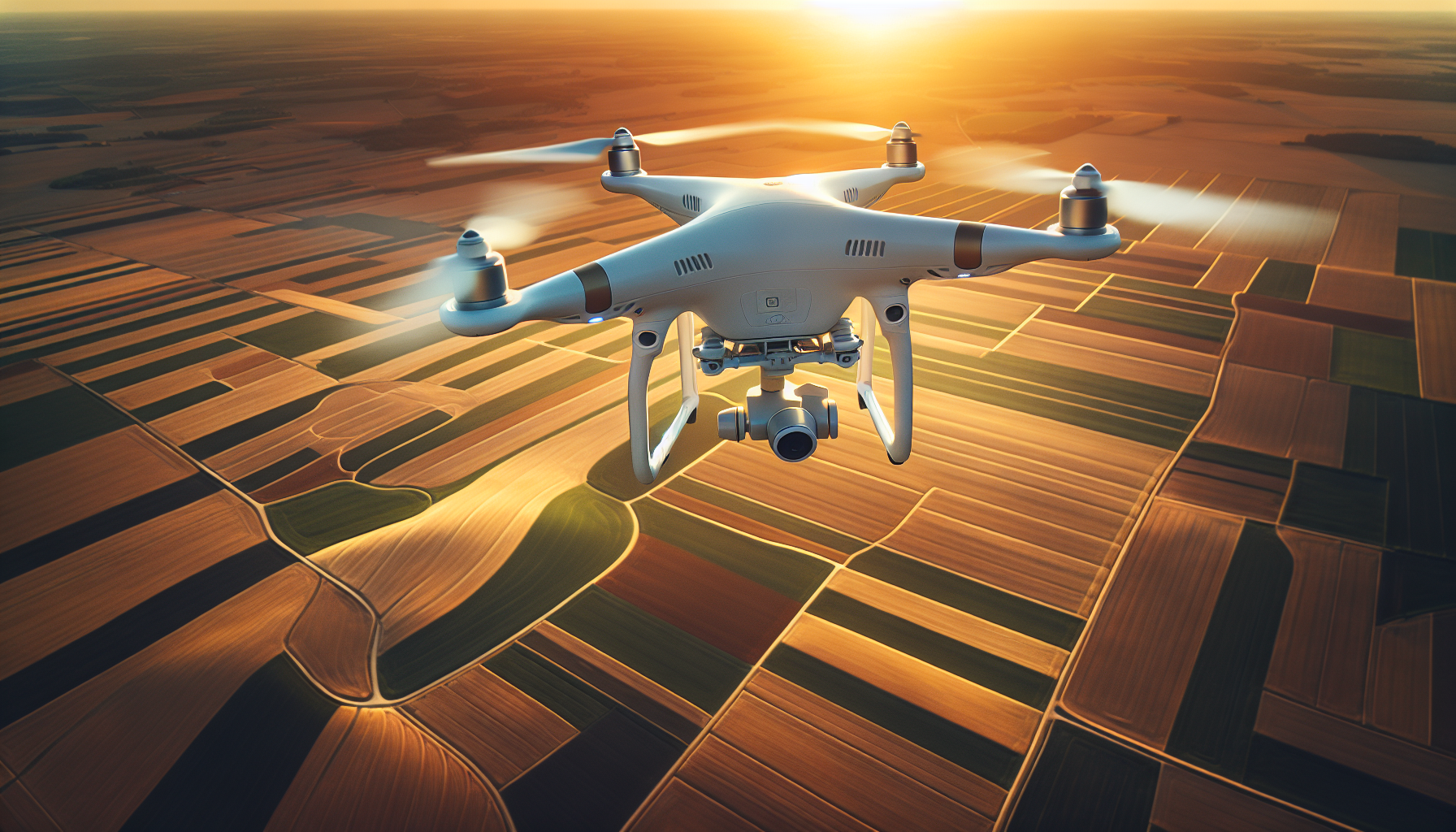
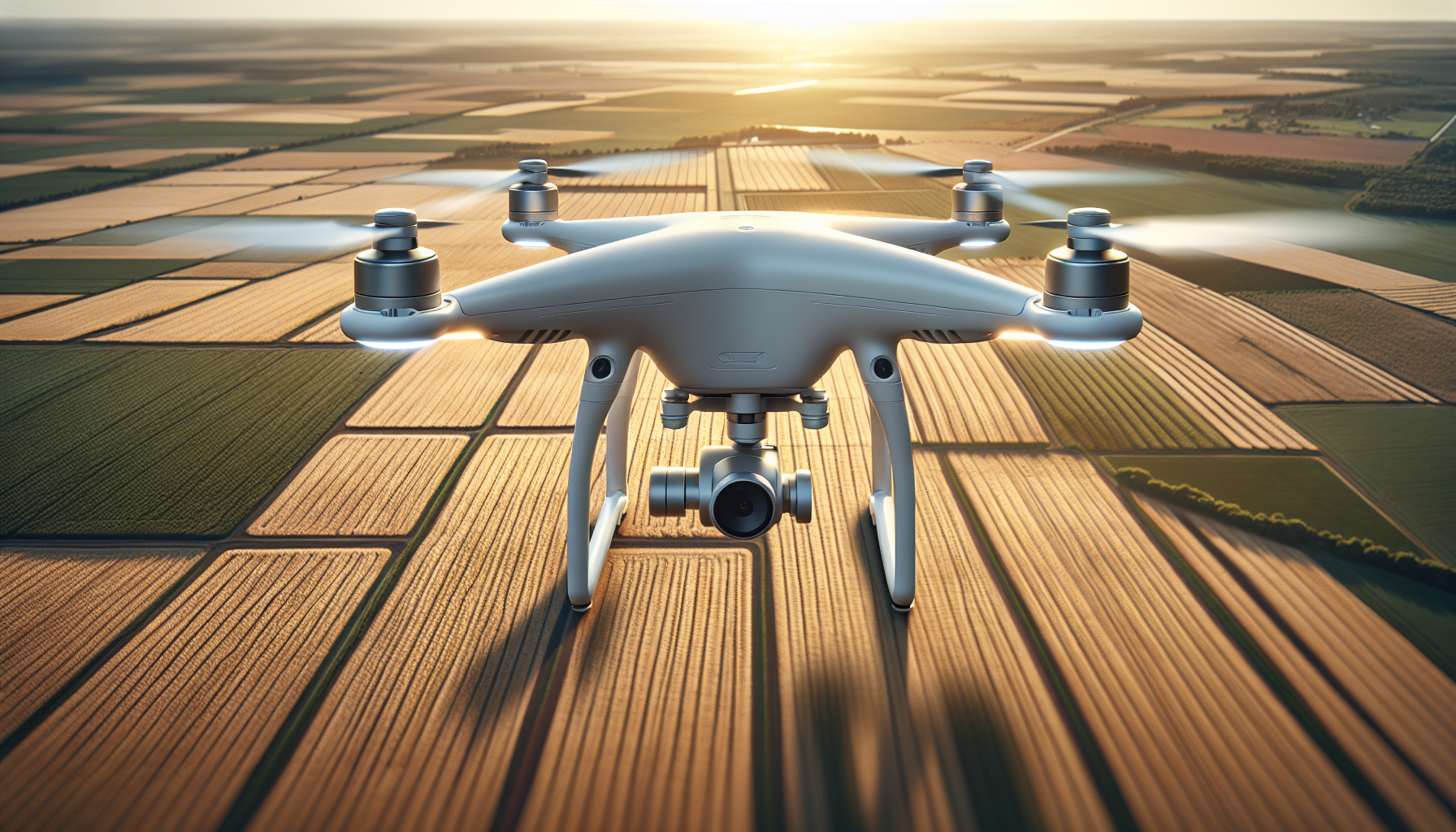
We use drones to map land. We collect images and sensor data from low altitude to build accurate maps.
Why aerial drone surveying matters
We value speed when we map land. We reduce time on site and we get data faster than with ground surveys.
We value detail when we map land. We capture fine features that matter for planning, design, and monitoring.
How drones gather survey data
We fly drones over target areas. We capture images, lidar returns, or thermal readings while the drones move.
We plan flight lines and we set altitude to match the needed resolution. We use ground control points or real-time kinematic positioning to place data in coordinate systems.
Types of sensors we use
We mount different sensors on drones for different tasks. We choose RGB cameras for visual mapping, multispectral cameras for vegetation, and LiDAR units for dense point clouds.
We select sensor specs by project needs. We balance weight, resolution, and cost when we pick a sensor.
Comparison of common drone sensors
| Sensor type | Primary use | Output | Strength |
|---|---|---|---|
| RGB camera | Orthomosaic mapping | High-resolution images | Low cost, high detail for visible features |
| Multispectral camera | Crop and vegetation analysis | Multiple-band images | Detect plant health and moisture |
| LiDAR | Terrain and structure mapping | Dense 3D point cloud | Penetrates canopy to show ground |
| Thermal camera | Heat detection | Thermal images | Find leaks, warm objects, or animal presence |
We use this table to match sensors with tasks. We pick the best tool and we avoid overloading the drone.
Flight planning basics
We define the survey boundaries and we set overlap between images. We set sidelap and frontlap to ensure complete coverage.
We consider altitude to set ground sample distance. We check weather and we avoid high winds or rain before we fly.
Photogrammetry versus LiDAR
We use photogrammetry when we need high-resolution color images and elevation models. We process overlapping photos to build 3D models and orthomosaics.
We use LiDAR when dense vegetation or complex surfaces hide the ground. We record millions of laser returns and we classify points to separate ground from objects.
Strengths and limits of each method
We list strengths and limits to help selection.
| Method | Strengths | Limits |
|---|---|---|
| Photogrammetry | High color detail, lower sensor cost | Struggles under dense canopy; needs good lighting |
| LiDAR | Captures ground under vegetation, precise elevation | Higher sensor cost and heavier payload |
We recommend combining both methods for projects with mixed needs. We get color texture from cameras and elevation accuracy from LiDAR.
Accuracy, precision, and georeferencing
We aim for accuracy and we measure precision. We use ground control points (GCPs) to tie drone data to known coordinates.
We use RTK or PPK systems when we need centimeter-level accuracy. We fix drone positions during flight to reduce error.
We validate final outputs by comparing survey control with model points. We record residual errors and we report them to clients.
Data processing workflow
We collect raw data on a memory card. We transfer files to a workstation for processing.
We run photogrammetry software to align images, build dense clouds, and generate orthomosaics. We classify LiDAR points and we filter noise.
We check outputs and we correct errors. We export maps, point clouds, and elevation models in standard formats.
Software tools we commonly use
We use both commercial and open-source software. We choose tools by features, speed, and file compatibility.
| Task | Example software |
|---|---|
| Photogrammetry | Agisoft Metashape, Pix4D |
| LiDAR processing | LAStools, PDAL |
| GIS and mapping | QGIS, ArcGIS |
| Flight planning | DroneDeploy, UgCS |
We match tools to project scale. We automate repetitive steps when we can to save time.
File formats and data deliverables
We export orthomosaics as GeoTIFF files. We export point clouds as LAS or LAZ files.
We deliver digital elevation models (DEM) and digital surface models (DSM). We provide shapefiles and GeoJSON files for vector data.
We include metadata that lists coordinate reference systems, datum, and processing steps. We ensure clients can open the files in common GIS software.
Site preparation and ground control
We place ground control targets to improve georeferencing accuracy. We use high-contrast targets that the camera can detect clearly.
We survey control points with a GNSS receiver. We log control coordinates and we use them during processing.
We maintain safety lines and we mark restricted areas to keep people away from flight zones.
Regulations and airspace compliance
We follow local drone regulations for each flight. We obtain permissions and we check no-fly zones before we operate.
We maintain line-of-sight or we use approved beyond-visual-line-of-sight procedures when allowed. We record flight logs and operator qualifications to meet legal requirements.
We brief our team before each flight and we review emergency procedures. We insure equipment and we follow privacy rules.
Risk management and safety measures
We assess site risks before we fly. We note obstacles, power lines, and people movements.
We set minimum height limits and we program geofences when the software supports them. We use redundancy in critical systems to reduce failure risk.
We keep spare batteries and spare aircraft when we work in remote locations. We stop flights if conditions change.
Applications in agriculture
We monitor crop health with multispectral and thermal sensors. We identify stress, irrigation issues, and pest damage early.
We map field boundaries and we calculate area and plant count. We produce prescriptions for variable-rate applications.
We provide growers with timely maps to help them plan management actions. We repeat flights across the season to track changes.
Applications in construction and surveying
We survey construction sites to measure volumes and to track progress. We create cut-and-fill maps and we compare as-built to design models.
We reduce time spent on stakeout and we reduce manual measurements in hazardous areas. We integrate drone outputs with CAD models and BIM systems.
We produce weekly or monthly reports that show site changes. We supply accurate data for invoicing and dispute resolution.
Applications in mining and earthworks
We measure stockpile volumes and pit extents with high repeatability. We calculate cut volumes and we detect slope changes.
We fly steep slopes and we map areas that are dangerous for ground crews. We provide safe and fast survey data for planning and compliance.
We deliver weekly volume reports to help with logistics and financial tracking.
Applications in environmental management
We map habitats and we monitor shoreline change with high resolution. We track erosion and we measure vegetation cover.
We detect invasive species and we map restoration progress. We produce baseline maps and we monitor change over time.
We share data with local stakeholders and we support decision-making for conservation projects.
Cadastral mapping and land records
We survey parcel boundaries and we update cadastral maps. We combine drone data with legal surveys to improve clarity.
We record features such as fences, buildings, and right-of-way lines. We deliver data that officials can use for record updates.
We accelerate boundary verification and we reduce disputes by providing clear visual evidence.
Urban planning and infrastructure inspection
We map urban areas and we inspect roofs, bridges, and roads. We identify defects and we prioritize repairs.
We scan utility corridors and we produce models to help with asset management. We create condition reports that connect to maintenance schedules.
We support planners with 3D models that show building footprints and lot features.
Cost and time comparisons
We compare drone surveys with conventional surveys for time and cost. We include typical values to help with planning.
| Survey type | Typical time | Typical cost | Notes |
|---|---|---|---|
| Ground survey (small area) | Several hours | Moderate | High labor for detail |
| Drone photogrammetry (small area) | Less than an hour | Lower | Fast data capture |
| Drone LiDAR (vegetated area) | 1-2 hours | Higher | Good for canopy penetration |
We note that scale and project complexity change the values. We run a cost estimate for each job before we commit.
Data quality control and validation
We inspect raw files for motion blur and missing coverage. We re-fly sections if we detect gaps.
We validate processed outputs against independent control points. We report positional error as root mean square error (RMSE).
We archive raw data and we keep processing logs to support audits or reprocessing.
Best practices for field work
We charge all batteries and we calibrate sensors before each survey. We check camera focus and we confirm IMU calibration.
We choose times of day with stable light for photogrammetry. We avoid strong shadows and we prefer diffuse light when we can.
We document each flight with a log that lists weather, operator, and equipment. We keep that record with final deliverables.
Data privacy and ethical use
We ask landowner permission before we fly over private property. We respect local privacy rules and we redact sensitive images when needed.
We minimize capturing personal data and we avoid collecting data that could identify individuals unless we must. We secure all files and we control access rights.
We specify data retention policies and we delete raw data on client request when policy allows.
Common challenges and how we address them
We face issues with signal loss, battery performance, and changing weather. We prepare backup plans and we monitor conditions closely.
We handle heavy vegetation by choosing LiDAR or by increasing flight density. We increase overlap and we adjust altitude to improve reconstruction.
We manage large datasets with workstations that have sufficient RAM and GPU resources. We split processing into tiles when needed.
When to use drone surveying versus other methods
We use drones when we need rapid, high-resolution data over moderate areas. We use manned aircraft when the area grows very large and time on site must shrink.
We choose ground surveys when legal boundary precision needs high-certainty control or when the terrain prohibits flight. We combine methods when each has benefits for parts of a project.
Case study: farmland mapping for irrigation efficiency
We flew a 150-hectare farm with a multispectral camera. We planned two flights at different altitudes and we captured data in one morning.
We processed images to produce NDVI maps and irrigation maps. We delivered a prescription that reduced water use by 12 percent while keeping yields stable.
We provided follow-up surveys during the season to confirm changes and adapt prescriptions.
Case study: post-storm coastal assessment
We mapped a coastal stretch after a storm to measure erosion. We used drones to take high-resolution images and to build 3D models of the shoreline.
We compared models from before and after the event. We measured volume loss and we generated a report for local authorities within days.
We helped planners set short-term protective measures and schedule longer-term repairs.
Integration with other technologies
We merge drone data with satellite imagery for larger context. We align drone models with GPS survey control and we connect the outputs to GIS and CAD systems.
We use cloud platforms to share data with clients and we use APIs to automate report generation. We integrate drone outputs with asset management systems for maintenance planning.
We test machine learning models on annotated drone data to speed up feature detection.
Machine learning and automated feature extraction
We label training data from drone images and we train models to detect features such as buildings, roads, and tree crowns. We run batch inference to speed up mapping tasks.
We check model outputs and we correct false positives and false negatives. We update models when we get new labeled data to improve accuracy.
We use automated extraction to reduce manual digitizing and we speed up project delivery.
Environmental and social benefits
We reduce the need for heavy ground equipment in fragile areas. We lower the disturbance to wildlife and we reduce soil compaction when we use drones instead of ground vehicles.
We supply data that supports better land management and we help communities respond faster to hazards. We provide maps that improve transparency in land-use decisions.
Limitations and realistic expectations
We cannot fly in all weather or in all airspace. We lose some accuracy when we fly without ground control points.
We cannot replace every survey type with drones. We rely on trained personnel and on good planning to produce high-quality results.
We set clear expectations with clients about deliverables, timelines, and accuracy before we start work.
Scaling operations for larger projects
We recruit trained pilots and we standardize workflows for repeatability. We create templates for flight plans and processing steps.
We invest in computing resources and we use cloud processing when local hardware limits throughput. We implement naming conventions and file structures to keep data organized.
We set quality checks at each stage to maintain consistency across teams.
Training and team skills
We train pilots in aviation rules and in emergency procedures. We train technicians in sensor operation and in data processing.
We encourage cross-training so pilots understand processing and analysts understand field constraints. We keep training records and we update skills as technology changes.
Procurement and equipment selection
We evaluate aircraft by payload, flight time, and reliability. We compare sensor performance and we consider maintenance costs.
We include spares and we set a replacement plan for batteries and sensors. We keep a procurement log and we maintain an equipment lifecycle schedule.
Sustainability considerations
We choose equipment with serviceable parts to extend life. We recycle batteries and we follow disposal rules for electronic waste.
We reduce travel by using local teams when possible and we schedule multiple flights per trip to minimize transport emissions.
We design workflows to reuse existing data before collecting new data.
Future trends we expect
We expect sensor miniaturization to continue and we expect longer flight times. We expect better onboard processing to reduce data transfer needs.
We expect regulations to adapt and we expect more standardized data formats. We expect machine learning to improve automated feature extraction and we expect integration across platforms to grow.
How we present results to clients
We prepare clear maps and we include high-resolution images. We explain accuracy and we include metadata that documents methods and coordinate systems.
We provide actionable insights in simple language and we highlight recommended next steps. We supply raw files when clients request them and we package deliverables in formats they can use.
Checklist before each flight
We check batteries, props, and sensor mounts. We confirm memory cards and we verify firmware versions.
We file necessary permissions and we notify landowners. We run a pre-flight checklist and we record the results.
Final thoughts
We see drone surveying as a practical tool for better land mapping. We balance accuracy, speed, and cost to deliver useful maps and models.
We commit to clear communication and to safe operations. We keep improving our workflows as technology and rules change, and we aim to deliver work that helps people plan, manage, and care for land.