

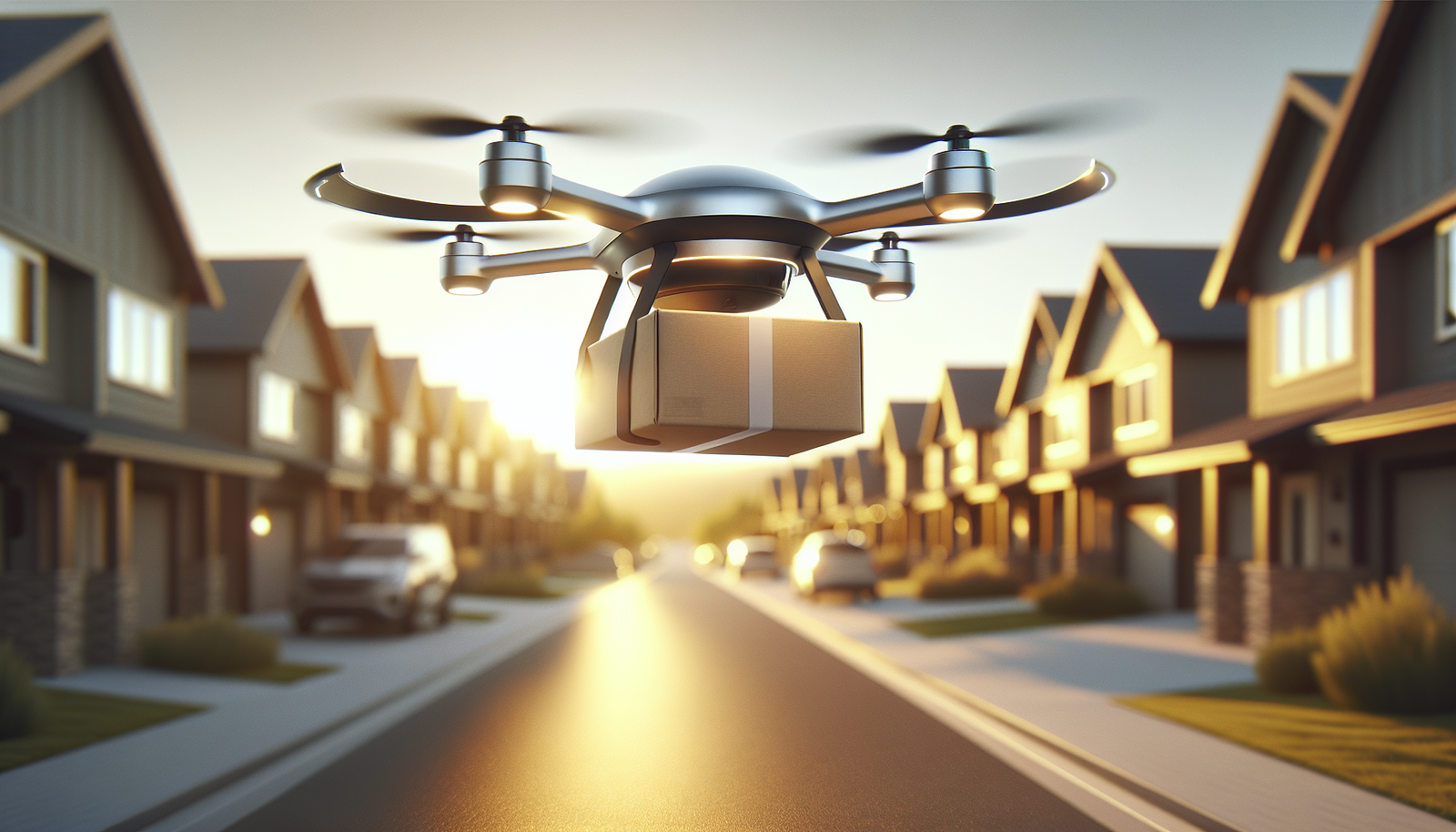
? Can a small machine change how we get things at home and at work?
Parcel drone delivery brings fast service to neighborhoods
We find this idea both practical and strange. We watch small aircraft carry parcels across our streets. We think about speed, noise, safety, and the small moments that change our routines.
What we mean by parcel drone delivery
We mean small unmanned aircraft that carry packages to people. Companies control these aircraft with software and human oversight. Neighbors receive parcels at yards, rooftops, patios, or community lockers.
Why this topic matters to us
We want faster service for urgent items. We want less traffic for short trips. We want clearer choices for delivery that suit our daily lives. This service can change how we plan time and how we trust technology.
How parcel drone delivery works
We explain the steps so readers can picture the whole process. We keep each step clear and direct.
Order and dispatch
A customer places an order online or by app. The system receives the order and checks weight, size, and destination. The system assigns the order to a nearby drone hub or vehicle.
Loading and preflight checks
Staff load the parcel into the drone cargo bay. The system runs sensors and software checks. The system confirms battery level, weather, and flight path.
Flight and delivery
The drone lifts off and follows the planned route. The navigation system uses GPS and obstacle detection. The drone arrives above the delivery point and lowers the parcel or lands briefly.
Confirmation and return
The system sends delivery confirmation to the customer. The drone returns to base or goes to the next assignment. Staff recharge or swap the battery and prepare the next load.
Technology behind parcel drones
We keep this section simple. We describe the parts that matter to everyday users.
Airframe and propulsion
Drones use light frames and motors. The design balances strength and weight. The motors provide lift and forward motion.
Power systems and batteries
Drones run on batteries. Operators choose batteries for a balance of range and weight. Batteries limit flight time and payload capacity.
Navigation and sensors
Drones use GPS and internal sensors. They add cameras, lidar, or ultrasonic sensors for obstacle detection. The system updates position and speed continuously.
Communication and control systems
Drones connect to ground stations by radio or cellular links. Operators monitor flights in real time. The software sends commands and receives telemetry.
Safety measures and risk management
We treat safety as the top priority. We list measures in plain language.
Redundancies and fail-safes
Designers add backup motors and power systems. The system triggers safe landing if it detects a problem. Operators monitor for anomalies and intervene when needed.
Obstacle detection and avoidance
Sensors identify trees, buildings, wires, and birds. Software adjusts the path to avoid collisions. The system slows or stops when hazards appear.
Geofencing and restricted zones
The software keeps drones out of airports and private spaces. Operators program no-fly zones into the route planner. The system blocks flights that would cross restricted areas.
Emergency responses
The system chooses safe spots for emergency landings. Operators can take control to guide the drone down. The drone signals maintenance staff when it lands unexpectedly.
Regulations and legal landscape
We know rules shape how this service grows. We outline the main legal points.
Airspace rules and approvals
Civil aviation authorities define where drones can fly. Operators apply for approvals and follow certification steps. Regulators set altitude and speed limits.
Privacy and data law
Cameras and sensors collect images and telemetry. Regulators limit data use and require retention rules. Operators need clear policies and customer consent.
Liability and insurance
Companies carry insurance for accidents or damage. Regulators require proof of coverage in some areas. Liability rules assign responsibility for crashes or lost parcels.
Local permits and neighborhood agreements
Cities and towns may require local permits. Operators meet local rules on noise, landing spots, and hours. Neighborhood groups sometimes sign agreements with operators.
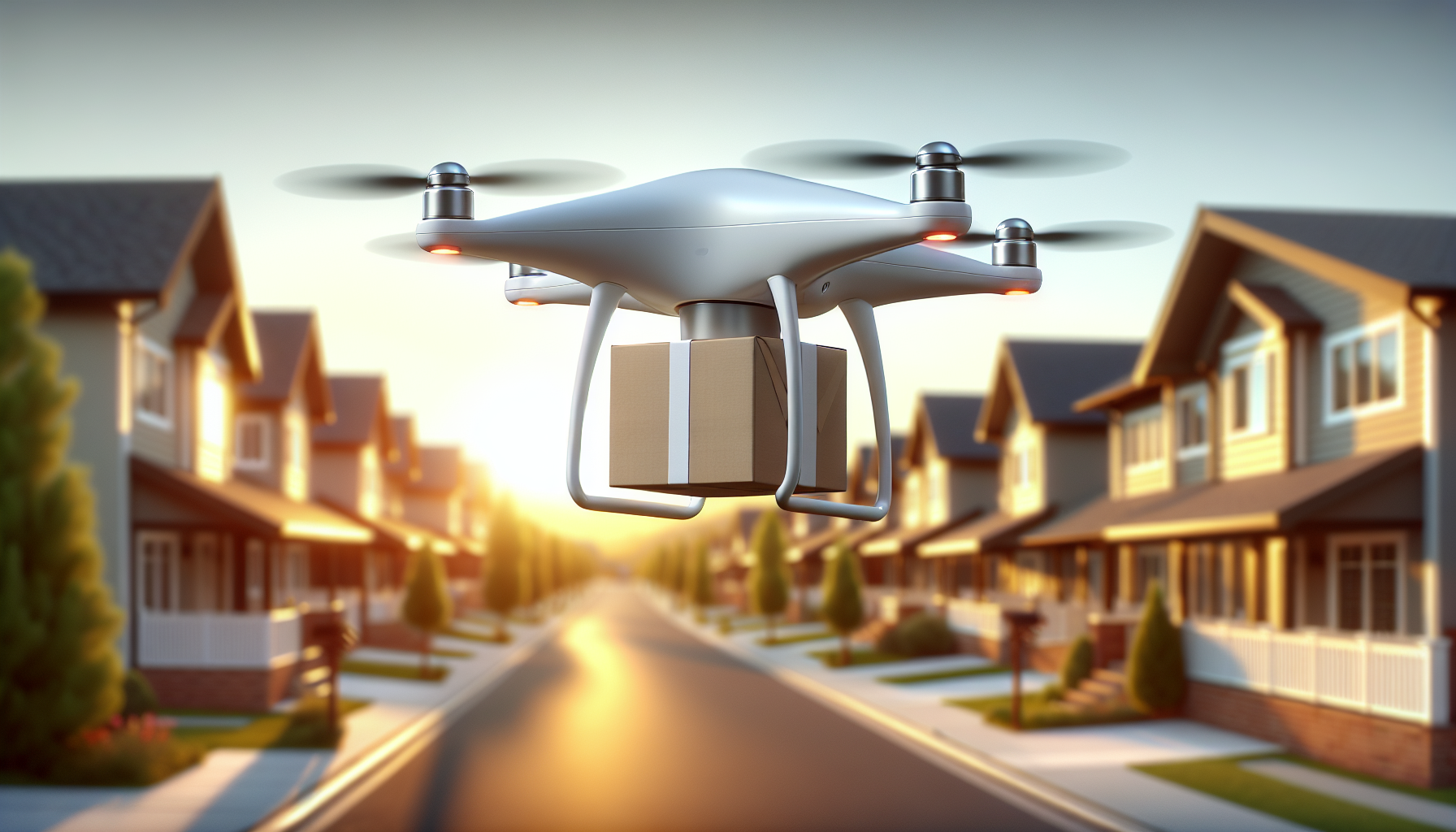
Benefits for neighborhoods
We focus on direct and measurable benefits. We avoid vague claims and speak in concrete terms.
Faster delivery for urgent needs
Drones cut travel time for short distances. They deliver medical supplies, spare parts, and small goods faster than road vehicles. People receive items in minutes rather than hours.
Less road congestion
Drones carry small parcels off the road. They reduce the number of vans and cars on short routes. We expect lower traffic in dense areas when drones handle many small jobs.
Lower emissions per delivery
Electric drones emit less carbon than fuel vans for short trips. The true effect depends on the energy source for charging. We measure emissions in the context of fleet size and local electricity mix.
Improved access in hard-to-reach places
Drones serve islands, rural areas, and locations with limited roads. They deliver where ground transport faces delays. People in remote neighborhoods gain quicker access to goods.
Social and community impacts
We look at how drones affect daily life. We talk about habits, trust, and public space.
Changes in daily routines
People expect faster service and plan errands differently. We adapt to receiving parcels at new spots on our homes. Local shops may shift to drone-based delivery options.
Perceptions of safety and comfort
Neighbors may worry about noise and privacy. Operators can reduce concerns by limiting flights and communicating openly. Trust grows when operators share flight schedules and safety records.
Job effects and local economy
Drones create jobs in maintenance, operations, and logistics software. They may reduce driving jobs for short routes. We expect a shift in job skills more than a total loss of work.
Public space use and aesthetics
Drones use airspace rather than sidewalks. They reduce street clutter from deliveries. However, people notice small aircraft over their homes, and views change.
Environmental analysis
We present clear comparisons and simple metrics. We use a table to compare modes.
Direct energy use and emissions
We compare typical short delivery trips for vans and drones.
| Mode | Typical energy source | Typical emissions per short trip | Notes |
|---|---|---|---|
| Electric drone | Battery charged from grid | Low to moderate, depends on grid mix | Efficient on short runs |
| Electric van | Battery charged from grid | Moderate to high, depends on grid mix | Larger payload, longer range |
| Gas van | Gasoline or diesel | High | Common today for many deliveries |
We keep comparisons direct and limited to the core data. We avoid technical detail that distracts from practical choices.
Noise and wildlife effects
Drones create continuous, higher-frequency noise. Neighbors report annoyance if flights are frequent. Birds react to drones and may change local behavior. Operators must study animal responses and adjust flight paths.
Resource demands and lifecycle
Drones use metals, plastics, and batteries. Production and disposal carry environmental costs. We weigh these costs against fuel savings and reduced road wear.
Cost and business models
We show how companies and neighborhoods may share costs. We list common models in a simple table.
Common business models
| Model | Who runs it | Who pays | Main benefit |
|---|---|---|---|
| Carrier-run | Delivery companies | Customers or retailers | Scale and integration with existing logistics |
| Marketplace | Platform + third-party | Retailers pay fees | Choice of operators and routes |
| Community hub | Local co-op or council | Users or subsidies | Local control and tailored service |
Pricing and charges
Operators charge per delivery or by subscription. Prices vary by distance, weight, and speed. Bulk contracts with retailers lower unit costs.
Operational costs
Costs include staff, maintenance, charging infrastructure, and software. Initial investment for hubs and fleets can be high. Costs fall over time with scale and better batteries.
Use cases and practical examples
We give concrete scenarios to help readers imagine the service. We keep each example short and clear.
Medical and emergency supplies
Drones deliver medicines, blood samples, and small equipment. Hospitals receive urgent items faster. We see clear life-saving examples.
Retail and food delivery
Shops send small parcels and prepared meals. Customers receive hot meals faster. Local cafes and grocers gain a new delivery option.
Spare parts and home repairs
Technicians order parts and get them the same day. Repair jobs finish sooner. Homeowners avoid long waits.
Rural and island deliveries
Drones link islands and remote farms to urban centers. Residents receive goods without long boat trips. The service reduces isolation for some communities.
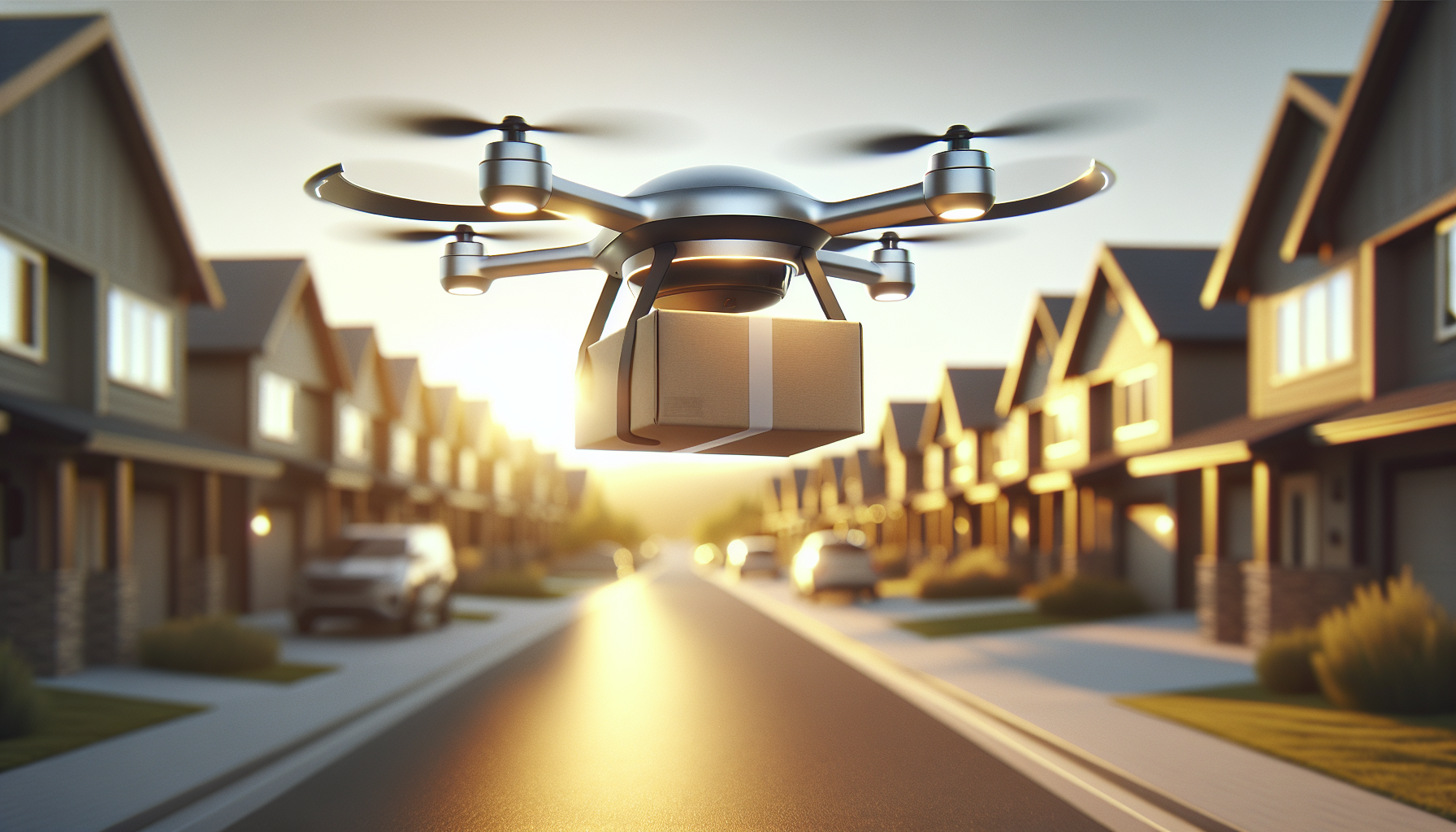
Challenges and drawbacks
We present the main obstacles in clear terms. We do not hide problems with hopeful language.
Weather and reliability
Rain, heavy wind, and fog reduce drone reliability. Operators cancel or delay flights in poor weather. This limitation affects predictability for customers.
Payload and range limits
Drones carry light and small parcels only. They cannot replace vans for bulk deliveries. Customers with large orders still rely on ground transport.
Noise and nuisance
Frequent flights create noise that neighbors may find tiring. Operators must plan routes and schedules to reduce disturbance. Local rules may limit flight times.
Security and theft
Drones can be targeted during or after delivery. Operators must secure parcels and confirm recipients. Locking mechanisms and close-range verification help reduce theft.
Community planning and public input
We encourage clear lines of dialogue. We suggest steps neighborhoods can take.
Public meetings and pilot programs
Cities run pilot programs to test service. Citizens attend meetings and give feedback. Early tests reveal real effects and allow adjustments.
Designated landing zones
We recommend clear landing zones for safety and convenience. Neighborhoods can choose yards, rooftops, or small local hubs. Clear signs and markings help drone pilots and residents.
Rules for hours and frequency
Communities set limits on flight hours and number of daily flights. Operators follow these rules to maintain goodwill. Restrictions balance service and quiet.
Data transparency and reporting
Operators publish flight statistics and incident reports. Regulators require record keeping. Transparency builds trust with residents.
How neighborhoods can prepare
We give step-by-step advice that neighbors can use immediately.
Assess local needs
We ask whether residents need faster delivery for medical items, groceries, or repair parts. We list priority items and peak times. We use this list to talk with operators.
Create a community point
We recommend one secure, public landing spot or locker area per block. The point should have clear access and marking. Shared points reduce individual noise and clutter.
Establish communication channels
We suggest a local email list or message board for updates. Operators give schedules and contact details. The community reports problems through the channel.
Plan for safety and privacy
We suggest simple rules on camera use and shared data. Neighbors request clear privacy policies and opt-in mechanisms. Operators agree to limits on recorded footage and retention.
Case studies and early pilots
We summarize a few real pilots without naming proprietary details. We keep descriptions factual and short.
Rural health pilot
A rural service flew medical samples between clinics and a hospital. The flights saved hours compared to road trips. Local staff reported simpler logistics for lab work.
Urban quick-delivery pilot
An urban program delivered small items across dense neighborhoods. Customers received parcels in 15 to 30 minutes. The pilot ran during daytime hours only to reduce noise complaints.
Island logistics trial
An island trial moved food and supplies between docks and homes. The trial cut boat trips and costs for small parcels. Residents valued the added convenience on busy days.
Metrics and performance tracking
We list the key measures that operators and cities should follow. We keep metrics simple.
Key performance indicators
- Delivery time: time from order to receipt.
- On-time rate: percent of deliveries that match promised times.
- Incident rate: number of safety or privacy incidents per 1,000 flights.
- Community complaints: number of resident complaints per month.
- Energy use per delivery: kWh per parcel.
We recommend that operators publish these metrics regularly. We believe that clear data builds trust.
Frequently asked questions (FAQ)
We answer short, direct questions that people often ask. Each answer remains simple.
Q: Can multiple drones run over a neighborhood at once?
A: Yes. Operators schedule flights to avoid congestion and reduce noise. They limit the number of simultaneous flights when needed.
Q: Will drones take jobs away?
A: Some driving jobs may change. New jobs appear in maintenance, logistics, and monitoring. The net effect depends on scale and policy.
Q: Are parcels safe on delivery?
A: Operators use locks, confirmation steps, and visual checks. They monitor high-risk zones and test security solutions.
Q: What happens in bad weather?
A: Operators delay or cancel flights in high wind or heavy rain. They revert to ground delivery when necessary.
Q: How fast are drone deliveries?
A: Many pilots report 15 to 45 minutes for short urban trips. Times vary by distance, load, and regulations.
Future outlook and realistic timelines
We balance optimism with practical factors. We keep predictions conservative and tied to facts.
Near term (1–3 years)
We expect more pilots and local approvals. We see limited daily routes in select neighborhoods. Operators refine safety and noise controls.
Mid term (3–7 years)
We expect wider adoption in suburbs and some urban areas. Battery improvements extend range slowly. Regulations mature and insurers set clearer rules.
Long term (7+ years)
We expect drones to handle many small deliveries. We do not expect them to replace large-scale trucking. Drones may change local logistics networks around hubs and lockers.
Practical checklist for residents
We give a short checklist people can follow if their neighborhood will host drone deliveries.
- Identify items that need fast delivery.
- Choose or suggest communal landing spots.
- Ask operators for flight hours and noise limits.
- Request clear privacy and data policies.
- Track pilot results and metrics publicly.
- Report issues through a simple local channel.
Conclusion
We think parcel drones can bring faster service to neighborhoods. We also think they will work best when neighbors and operators talk openly. We want safe, quiet, and fair deliveries. We imagine a near future where a small aircraft brings a medicine or a book across our street while we finish our coffee. We expect careful rules, honest reporting, and steady technical progress before this idea becomes part of daily life.
If we stay clear and practical, we can make this change work for most neighborhoods. We can measure effects, protect privacy, and limit noise. We can also keep human control over the choices that shape our streets and skies.