

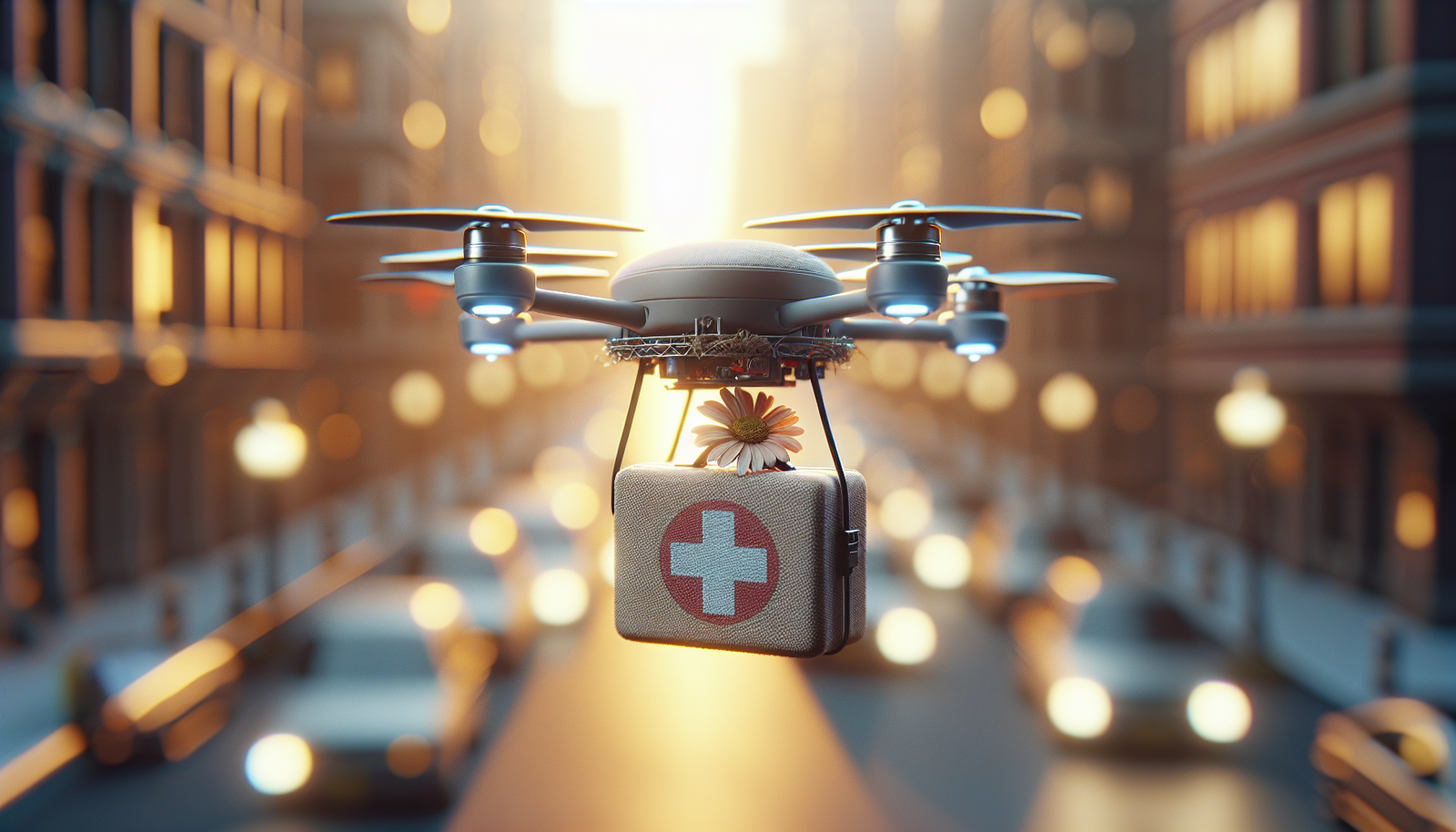
?Have we reached the moment when a small flying machine brings a bandage and an apology in the same trip?
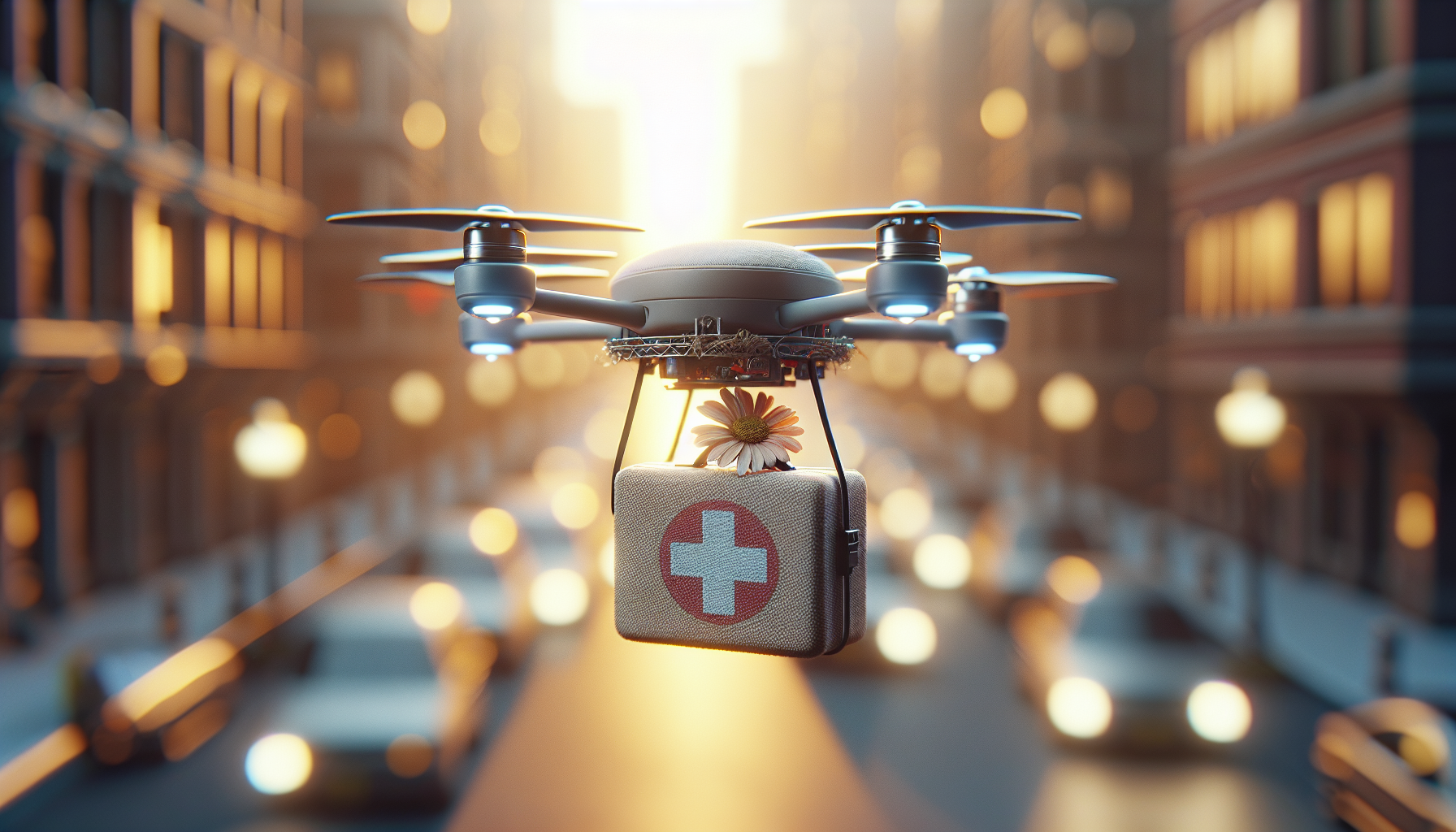
Emergency response drones carry first aid and awkward apologies
We study how drones serve first responders and the public. We observe that the machines carry medical kits and, sometimes, awkward apologies when they cause small harm.
What we mean by emergency response drones
We mean small unmanned aircraft that agencies use for urgent tasks. We focus on drones that carry medical supplies or deliver voice messages to people in need.
How drones reach people faster
We measure drone travel against road travel for each scenario. We show that drones often arrive faster in rural areas and in places with heavy traffic.
Typical first aid payloads
We list common items that drones carry during a medical dispatch. We describe each item’s use and its limits.
| Item | Purpose | Typical weight |
|---|---|---|
| AED (defibrillator) | Restart heart rhythm in cardiac arrest | 2–5 kg |
| Bleeding control kit | Stop severe bleeding with dressings and tourniquets | 0.5–1.5 kg |
| Epinephrine kit | Treat severe allergic reaction | 0.1–0.4 kg |
| Oxygen cylinder | Provide oxygen support | 1–3 kg |
| Thermal blanket | Prevent hypothermia | 0.1–0.3 kg |
| Communication module | Enable two-way audio or video link | 0.2–1 kg |
| Small medication pack | Provide prescribed emergency meds | 0.05–0.3 kg |
We select items for lightweight and clear utility. We balance payload with flight range and battery limits.
How drones deliver supplies
We explain common delivery methods. We state that drones drop a package with a tether, lower it on a cable, or land briefly when space allows.
Incidents that lead to awkward apologies
We describe the types of small harms that can occur during drone use. We list collisions, noise, knocked items, and privacy breaches.
Collisions and near-misses
We report that drones sometimes hit tree branches or power lines. We add that the operator often regains control and lands the drone safely.
Noise and disturbance
We note that drones create sound that can startle animals and people. We add that drones sometimes scare livestock or cause people to drop their phones.
Property damage and minor injuries
We state that drones sometimes strike objects and cause minor damage. We include cases where drones bruise a person who stood under a descending package.
Privacy and data concerns
We explain that people may feel watched when drones hover nearby. We add that cameras can record unintended faces or private spaces.
How teams handle awkward apologies
We describe the steps that agencies take after a drone incident. We show that a plain apology and a remedy often ease the situation.
Immediate actions after an incident
We state that the team lands the drone as soon as it becomes unsafe. We add that the team checks for injuries and damage and calls emergency services if needed.
Who issues the apology
We explain that the operator, the agency, or the pilot company can issue the apology. We add that the person who issues the apology should have authority to offer help.
Channels for apology delivery
We list channels teams use to say sorry. We say that teams deliver apologies by radio, in person, via phone, or through the drone’s speaker.
Why we include apology in design
We argue that a prewritten apology reduces confusion and helps staff act quickly. We add that the apology helps restore trust after a visible mistake.
Apology wording and tone
We describe how teams craft a message that sounds sincere and simple. We state that the message should name the incident, express regret, offer help, and state a next step.
Principles for an apology message
We list clear rules for apology content. We make each rule short and action oriented.
- We identify the incident clearly.
- We express regret in plain words.
- We offer concrete help or compensation.
- We state what we will do next.
- We provide contact information.
Sample apology phrases
We present short and direct phrases that teams can use. We keep the language plain and human.
- “We are sorry that the drone hit your fence.”
- “We regret that the drone startled your dog.”
- “We will inspect the damage and call you within one hour.”
- “Please call this number if you need help now.”
Script examples for operators
We provide simple scripts that teams can adapt. We keep each script short and SVO.
| Scenario | Script |
|---|---|
| Drone knocks down mailbox | “We are sorry. Our drone hit your mailbox. We will send a crew to fix it. Please tell us if anyone is hurt.” |
| Drone startles a person on the street | “We are sorry. Our drone flew near you and caused alarm. We will move the drone away now. Please let us know if you need help.” |
| Drone records private property | “We apologize. Our camera recorded your property by mistake. We will delete the footage and confirm deletion by email.” |
We advise teams to train staff to use these scripts naturally. We teach operators to keep voice calm and steady.
Benefits of drones in emergency care
We list clear benefits that we observe in field tests and trials. We keep each benefit direct and supported by examples.
- Drones shorten response time in remote locations.
- Drones deliver heavy or bulky items when roads block ambulances.
- Drones provide early visual assessment for paramedics.
- Drones support search and rescue by covering large areas quickly.
- Drones connect callers to medical staff via live link.
We show that these benefits change outcomes in specific cases. We give a short example: a drone delivers an AED and bystanders follow voice instructions while an ambulance travels.
Technical requirements
We describe the core technical needs that make drones effective. We keep each sentence focused and plain.
Navigation and obstacle avoidance
We state that drones need reliable sensors and software to avoid trees and wires. We add that teams test obstacle systems in realistic environments before use.
Payload and release systems
We explain that payload mounts must secure items and release them safely. We say that teams use quick-release hooks, winches, or small landing pads.
Power and range
We mention that battery capacity limits flight time and distance. We add that teams balance payload weight and battery life for each mission.
Communication and control links
We describe the need for stable links between drone and operator. We state that teams use redundant connections and encrypted channels when needed.
Regulation and safety
We explain that regulators set rules to protect the public and airspace. We say that teams must follow those rules and get approvals.
Airspace rules
We state that rules limit where drones can fly and at what height. We add that teams apply for waivers for emergency operations in restricted areas.
Certification and licensing
We note that many countries require pilot certification for commercial drone flights. We add that agencies train their staff and keep records of competency.
Insurance and liability
We explain that agencies hold insurance to cover damage and injury. We add that insurers ask for clear maintenance and training records.
Operational protocols
We describe standard procedures that teams follow before, during, and after flights. We keep protocols concrete and procedural.
Dispatch triggers
We state that systems trigger a drone when the incident meets set criteria. We add that dispatchers confirm location and permission before launch.
Coordination with ambulance crews
We say that teams coordinate drone arrival with ground responders. We add that drones often arrive first to assess and support until crews reach the scene.
Logging and post-flight review
We explain that teams log flight data and review incidents. We add that reviews inform training and system improvements.
Training for responders and operators
We outline the training needs for safe and effective drone use. We keep the description practical and stepwise.
Operator skills
We say that operators learn remote piloting, emergency procedures, and local rules. We add that operators undergo scenario training for lost link and bad weather.
Responder skills
We say that paramedics learn to use drone-delivered equipment and to work around landing areas. We add that we train crews on how to accept the delivery and how to calm bystanders.
Public-facing staff
We say that public-facing staff learn how to apologize and how to explain the drone’s purpose to onlookers. We add that they practice short, clear statements.
Public perception and trust
We discuss how the public reacts to drones in emergencies. We keep the discussion balanced and evidence-based.
Measuring trust
We explain that surveys and incident feedback measure public trust. We add that we track complaint rates and sentiment after deployments.
Building positive experience
We say that transparent communication and visible benefits increase trust. We add that training staff to apologize and help builds goodwill after mistakes.
Social and ethical issues
We address questions about surveillance, consent, and fairness. We present clear, pragmatic considerations for policy.
Privacy and consent
We say that drones can record bystanders and that teams need clear policies on data use. We add that teams obtain consent when they can and limit recordings to mission needs.
Equity of access
We point out that rural areas may benefit more from drone services and that funding must reflect need. We add that we should avoid creating services that favor wealthy areas.
Data security
We note that drone systems store flight logs and images. We add that teams secure that data and audit access.
Cost and economics
We analyze costs of drone programs and how teams decide deployments. We keep the numbers clear and use a table to compare common cost factors.
Typical cost components
We list the main costs that agencies face. We keep each item short.
- Drone acquisition and spare units
- Maintenance and repair
- Batteries and charging infrastructure
- Pilot training and certification
- Insurance and regulatory fees
- Software, data storage, and communications
Example cost scenarios
We show three rough scenarios for a small, medium, and large program in a table. We clarify that numbers vary by country and need.
| Program size | Fleet size | Annual operating cost (approx.) | Typical missions per year |
|---|---|---|---|
| Small | 1–3 drones | $40,000–$120,000 | 200–800 |
| Medium | 4–10 drones | $150,000–$400,000 | 1,000–4,000 |
| Large | 10+ drones | $500,000+ | 5,000+ |
We explain that costs scale with staff, training, and mission volume. We add that some programs lower costs via partnerships with hospitals or utilities.
Funding models
We describe common funding models used by agencies. We keep the list practical.
- Government grants and public budgets
- Hospital or EMS partnerships
- Private company contracts
- Philanthropic support for pilot projects
We add that agencies often combine sources to fund trials and then expand.
Integration with other technologies
We consider how drones work with existing systems. We stress practical compatibility and simple interfaces.
Dispatch software integration
We say that dispatch systems send coordinates and priority codes to drone control software. We add that teams build APIs for automatic launches.
Telemedicine links
We note that drones can carry cameras and speakers to allow medical staff to guide bystanders. We add that this link reduces wrong treatments and reassures people on scene.
Sensor data and analytics
We state that drones collect environmental and visual data that can inform responders. We add that teams use that data for planning and resource allocation.
Risk management
We describe approaches to reduce drone-associated risk. We keep measures direct and actionable.
Preflight checks
We say that teams inspect drones, batteries, and payloads before each launch. We add that they confirm firmware and software versions.
Weather assessment
We state that teams check wind, precipitation, and visibility before a flight. We add that they cancel flights when conditions exceed safe limits.
Emergency fallback plans
We explain that teams prepare for signal loss, battery failure, and collisions. We add that they rehearse recovery procedures and safe landing zones.
Community engagement and education
We explain why teams inform the public about drone operations. We describe simple steps to increase acceptance.
Public information campaigns
We say that agencies publish clear facts about drone use, safety, and data handling. We add that they hold demonstrations and Q&A events.
Local partnerships
We suggest that teams work with schools, local clinics, and volunteer groups to teach how to use delivered kits. We add that partners can spread practical knowledge.
Clear signage and identification
We advise that drones and staff wear clear identification. We add that people can then see that a drone belongs to rescue services.
Designing an apology: tone and content
We return to the awkward apology and treat it as an operational tool. We give specific guidance on tone, length, and clarity.
Tone and length
We advise short, sincere, and factual apologies. We state that a brief expression of regret and a clear remedy work best.
Content checklist
We provide a checklist that teams can follow when they prepare an apology. We keep each item as a clear action.
- Identify the incident and time.
- State the harm or disturbance.
- Say sorry in plain words.
- Offer immediate help.
- State the next steps and timeline.
- Give contact details.
Delivery timing
We say that teams issue an apology as soon as they can after the incident. We add that immediate apologies reduce anger and confusion.
Sample apology templates and use cases
We present templates for common incidents. We show how to adapt each template to the situation.
| Use case | Template | Notes |
|---|---|---|
| Minor property damage | “We are sorry that our drone damaged your [item]. We will inspect the damage and contact you within 24 hours to arrange repair.” | Add insurance details when available. |
| Animal distress | “We are sorry that our drone caused distress to your animal. We will move the drone away and offer a vet referral if needed.” | Offer contact for follow-up. |
| Privacy recording | “We apologize for recording your property by mistake. We will delete the footage and confirm deletion to you in writing.” | Provide a simple form for data deletion requests. |
We recommend that teams keep a short log of every apology and the outcome. We say that this log helps improve procedures.
Case studies and real-world examples
We present brief, clear accounts of actual deployments. We frame each case as a simple story with a concrete lesson.
Case: AED delivery in rural area
We describe a case where a drone delivered an AED to a farm. We say that bystanders used the device under remote guidance, and the patient regained a pulse before the ambulance arrived.
Lesson: Drones shorten time to defibrillation and save lives.
Case: Drone startles a crowd at a festival
We recount a case where a drone flew low over a crowd and caused alarm. We say that the operator landed the drone and an official issued an apology and offered a free inspection of equipment.
Lesson: Clear flight plans and visible IDs reduce incidents.
Case: Privacy complaint after search mission
We tell of a search mission where the drone recorded a private backyard. We say that the agency deleted the footage and strengthened its data policy.
Lesson: Predefined data rules and fast remedies reduce reputational harm.
Future directions and practical research needs
We suggest areas for further work that advance safety and acceptance. We keep proposals concrete and feasible.
- We need longer flight time and lighter batteries.
- We need better obstacle sensing near trees and wires.
- We need clearer laws that allow emergency flights while protecting privacy.
- We need more community trials to build familiarity and trust.
- We need studies that track patient outcomes when drones aid care.
We say that these steps will make drone services safer and more effective.
How we prepare for an awkward apology in practice
We give a short checklist that teams can adopt immediately. We use clear commands and short sentences.
- We write short apology scripts for common incidents.
- We train staff to use the scripts and adapt them.
- We assign a contact person to follow up on complaints.
- We log incidents and remedies in a central system.
- We review logs monthly and change procedures as needed.
We add that simple preparedness reduces stress when mistakes happen.
Practical recommendations for agencies
We sum up key actions that we think will help most agencies. We keep each recommendation actionable.
- Start a small pilot program and collect clear metrics.
- Train operators and responders together in joint exercises.
- Create a public-facing apology protocol and make it brief.
- Secure data and publish simple privacy rules.
- Budget for spare drones and routine maintenance.
We say that small steps build a reliable service over time.
Final thoughts
We speak plainly about the odd mix of life-saving work and social awkwardness that this technology brings. We keep the tone human and grounded.
We care about saving lives and about respecting people. We do not present drones as perfect. We say that machines help when people design systems that match human needs.
We hope agencies will treat apology as part of professional practice rather than an afterthought. We think that a clear, short apology can stop anger and start repair. We end with a simple idea: when a drone helps, people thank it; when it harms, a quick, honest apology helps people remember the help that came before.