

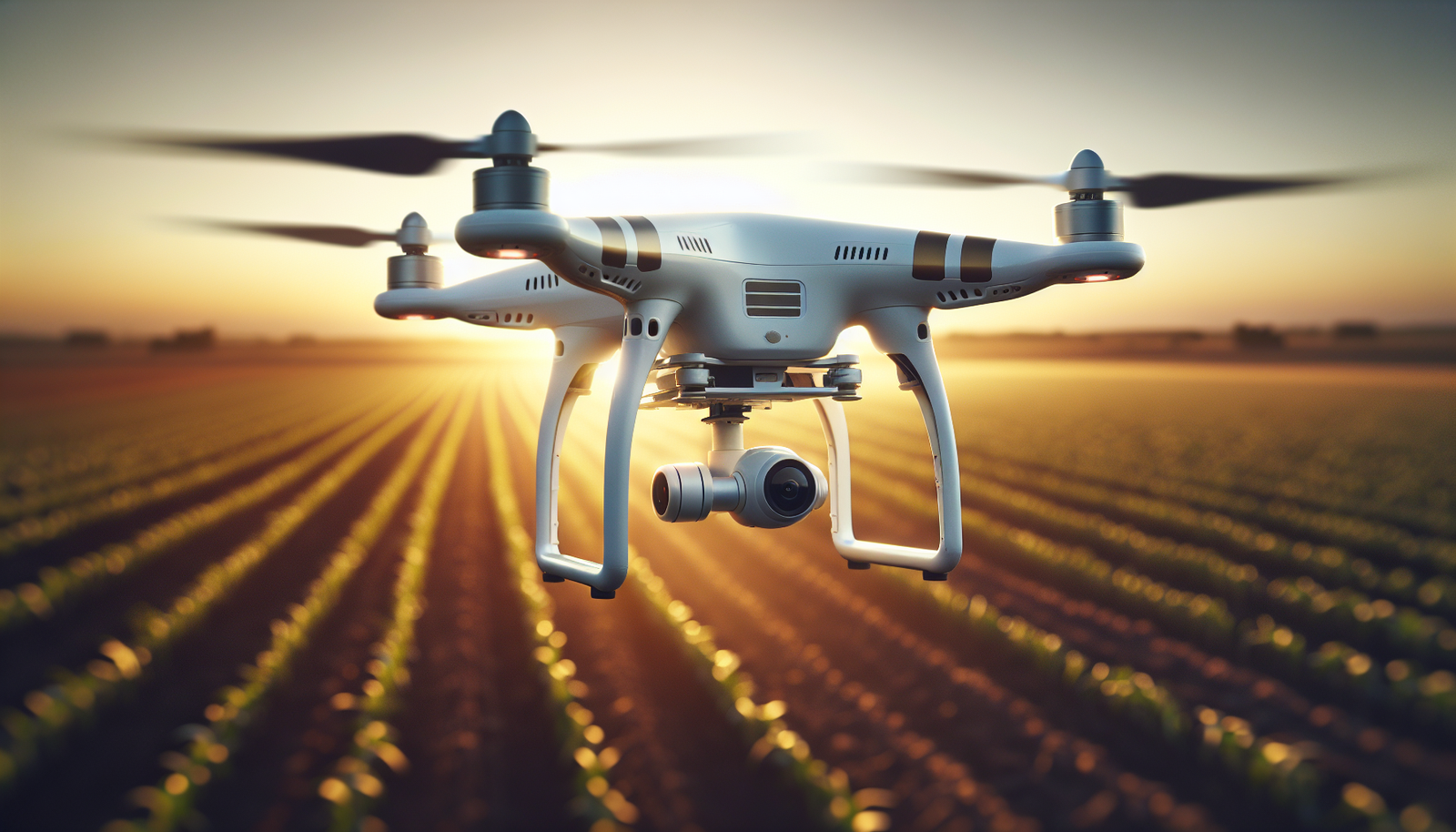
? Have we thought about how a small machine in the sky can change the way we watch our fields?
We will describe how drone remote sensing improves crop monitoring. We will keep our language clear. We will use short sentences. We will focus on what matters for farm decision making. We will mix practical steps with technical clarity. We will also keep a friendly tone.
What we mean by drone remote sensing
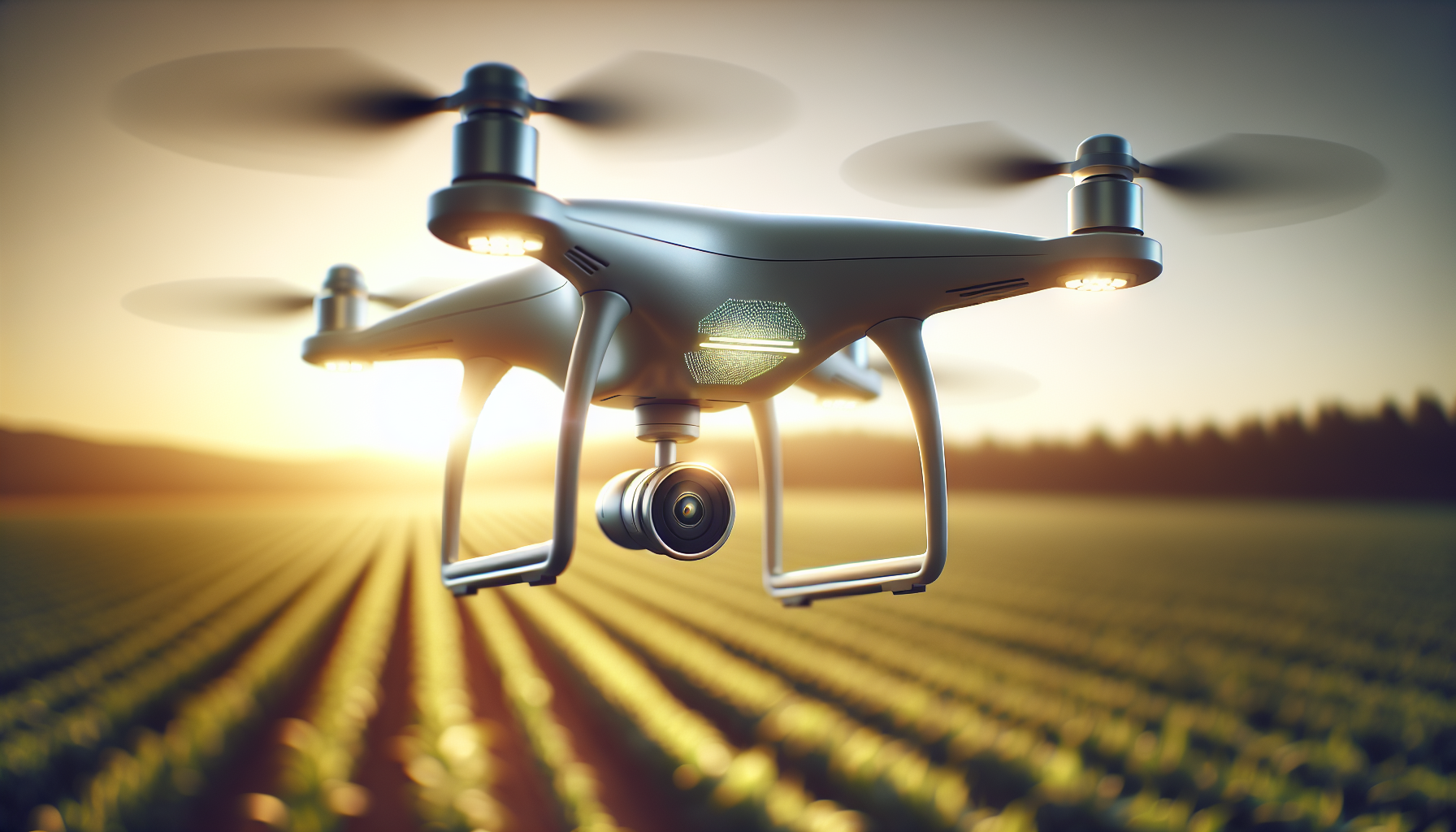
We mean the use of unmanned aerial vehicles to gather data over crops. We mean sensors on those vehicles that measure light, heat, or shape. We mean converting those measurements into maps and numbers that guide field work. We focus on how the data helps us spot problems earlier, measure crop health, and plan actions.
We will use simple words. We will avoid jargon when we can. We will explain any technical term that we must use.
Why drone remote sensing matters for crop monitoring
We will list the main benefits first. We will act as a practical companion for farmers and agronomists.
- We find crop stress earlier than we can see with the eye.
- We map variability within fields so we can apply inputs precisely.
- We track crop development across time to improve planning.
- We evaluate treatment effects to inform future choices.
- We reduce the time we spend walking fields and counting plants.
We will keep these gains in mind as we explain methods and tools.
How drones collect data
We will break down the steps. We will keep each step clear and short.
- We prepare the drone and sensor.
- We plan the flight path and altitude.
- We fly the drone and capture images or point cloud.
- We transfer data to a computer.
- We process the data into usable maps.
- We analyze the maps and generate insights.
Each step requires choices. We will explain options and trade-offs below.
Flight planning basics
We choose flight altitude and speed to match our sensor and our resolution needs. We set overlap between images so software can stitch them into a full map. We pick the time of day to reduce shadows and glare. We check weather so wind and rain do not affect safety or data quality.
We follow local rules for drone flights. We obtain any required permissions. We plan for battery changes or backups.
Types of sensors and what they measure
We will list common sensors and their main uses. We will use a table to make the differences clear.
| Sensor type | What it measures | Typical output | Main crop uses |
|---|---|---|---|
| RGB camera | Visible light (red, green, blue) | True-color images | Plant emergence, canopy cover, weeds, physical damage |
| Multispectral camera | Narrow bands including NIR and red edge | Reflectance maps per band | Vegetation indices, stress detection, nutrient signals |
| Hyperspectral sensor | Many narrow bands across visible and NIR | High-resolution spectral cube | Detailed biochemical analysis, disease signatures |
| Thermal camera | Surface temperature | Temperature map | Water stress detection, irrigation checks |
| LiDAR | Distance using laser pulses | 3D point cloud | Canopy height, biomass estimation, terrain models |
We will explain each type in more detail. We will keep sentences short.
RGB cameras
We use RGB cameras for visual inspection. We use them when we want simple, fast images. We use them to count plants and to check for obvious pests. We use low-cost drones with RGB cameras for frequent scans.
Multispectral cameras
We use multispectral cameras to measure light that plants reflect. We use bands like near-infrared and red edge to get insight into plant health. We use those maps to calculate indices such as NDVI. We use multispectral sensors when we want reliable crop status maps.
Hyperspectral sensors
We use hyperspectral sensors when we need detailed spectral signatures. We use them for research or for complex disease detection. We use them less often because they cost more and produce large files.
Thermal cameras
We use thermal cameras to map canopy temperature. We use them to detect water stress and irrigation problems. We use surface temperature as a proxy for plant transpiration when we cannot measure water directly.
LiDAR
We use LiDAR for precise height and structure measurements. We use it to estimate biomass and to create detailed terrain models under the canopy. We use LiDAR in crops with tall canopies or in orchards and vineyards.
Vegetation indices we use and what they tell us
We will give the most useful indices in a table. We will show what each index measures and when we use it.
| Index | Bands used | What it indicates | When we use it |
|---|---|---|---|
| NDVI (Normalized Difference Vegetation Index) | NIR and red | Green biomass and chlorophyll activity | General crop health, stress mapping |
| NDRE (Normalized Difference Red Edge) | NIR and red edge | Crop chlorophyll deeper into canopy | Late growth stages, nitrogen status |
| SAVI (Soil Adjusted Vegetation Index) | NIR and red | Vegetation in areas with soil exposure | Early growth, sparse crops |
| GNDVI (Green NDVI) | NIR and green | Chlorophyll related to nitrogen | Nitrogen status monitoring |
| TCARI/OSAVI | Red, green, NIR | Stress and pigment separation | Complex pigment and stress studies |
We will explain NDVI in clear terms. We will keep the sentence structure simple.
We use NDVI to compare parts of a field. We calculate NDVI with reflectance in the NIR and red bands. We view low NDVI as low vegetation activity. We view high NDVI as dense green cover. We use NDVI over time to track growth.
We use NDRE when the crop is larger and when we need a better signal of nitrogen in the top leaves. We use SAVI when soil influences the signal and especially when plants are sparse.
Data processing workflow
We will outline a typical data workflow. We will include short explanations for each step.
- We import raw images into processing software.
- We correct images for lens distortion and roll.
- We apply radiometric correction to convert pixel values to reflectance.
- We stitch images into orthomosaic maps using GPS and overlap.
- We create digital surface models if we need height data.
- We compute indices from reflectance maps.
- We classify pixels when we need maps of weeds, bare soil, or crop stages.
- We export maps and numbers to reports or farm management systems.
We will expand on radiometric correction because it matters. We will keep sentences simple.
We calibrate sensors with a reflectance panel before the flight. We use calibration images to remove sun and sensor effects. We check for sun angle and clouds. We treat all images the same so we can compare maps across days.
Software options
We use commercial software and open-source tools. We use cloud processing services when we need speed and storage. We use desktop software when we want full control. We will not list every brand because options change fast. We will show features to look for.
- Batch processing of many images.
- Radiometric correction tools.
- Tools to generate orthomosaics and DSMs.
- Index calculators and classification modules.
- Export options to common GIS and farm systems.
We will advise testing software workflows with a small set of flights before committing to one tool.
How we interpret maps for crop decisions
We will connect the maps to actions. We will keep each example clear and actionable.
- When we see low NDVI in patches, we inspect those patches on foot. We check for pests, disease, compaction, or nutrient issues.
- When we see high temperature areas, we examine irrigation or soil moisture in those areas.
- When we see delayed emergence, we plan replanting or adjust seeding rates for the next pass.
- When we observe a gradient of NDVI, we sample soil or tissue along the gradient to confirm nutrient patterns.
- When we map weeds, we plan targeted herbicide application in the mapped zones.
We will emphasize that maps guide decisions. We will not let maps replace basic field checks.
Practical applications by crop stage
We will break the season into stages and explain common uses.
Pre-plant and establishment
We use drone maps to check seedbed preparation. We map soil moisture in critical areas. We check emergence patterns soon after germination. We detect poor emergence and plan replanting or rescue measures.
Vegetative growth
We monitor biomass and nutrient status. We use NDVI or NDRE to spot nitrogen deficiency. We use canopy height from LiDAR to track growth rates. We adjust nitrogen applications by zones when our sampling confirms patterns.
Flowering and reproductive stages
We monitor flower density in crops where this matters. We check for heat or water stress that could reduce pollination. We use thermal and multispectral data to flag stress that requires irrigation.
Pre-harvest and harvest
We measure crop maturity and uniformity. We map yield drivers and compare last-year maps to current maps. We plan harvest logistics based on ripeness and quality maps.
Case examples
We will describe three short examples from common crops. We will keep them concrete and simple.
Example 1: Corn nitrogen management
We flew a multispectral drone over corn at V6 and V10. We calculated NDRE and created a fertilizer prescription map. We ground-truthed with leaf tissue tests in low and high NDRE zones. We applied variable-rate nitrogen accordingly. We measured yield and found more uniform yield across zones and slightly higher overall nitrogen use efficiency.
Example 2: Vineyard water stress
We flew a thermal camera over a vineyard during a warm week. We mapped canopy temperature and combined that map with soil moisture probes. We found two blocks with higher temperature and lower soil moisture. We adjusted irrigation schedules and monitored the next week. We found lower temperatures and improved canopy vigor.
Example 3: Small-scale vegetable farm weed mapping
We flew an RGB drone over raised beds early in the season. We used image classification to map weed patches. We sprayed only the mapped weed zones and saved herbicide and labor. We repeated the mapping weekly for a month and kept weed pressure low.
Accuracy, validation, and ground truth
We will emphasize validation steps. We will use short lists to be clear.
- We sample the field to confirm what the maps show.
- We collect soil and tissue samples to verify nutrient signals.
- We use reference targets and panels to keep radiometry accurate.
- We repeat flights under consistent conditions when comparing dates.
We will caution that drones do not give perfect answers. We will remember to validate before changing whole-field management.
Common challenges and how we manage them
We will list challenges and practical responses.
- Weather: We avoid flights in rain and high wind. We reschedule when clouds change light fast.
- Batteries: We carry spares and plan for swaps. We manage flight time and charge cycles.
- Data volume: We compress or use cloud storage. We process data offsite when files get large.
- Interpretation: We combine maps with scouting and lab tests. We train staff or use agronomic services.
- Regulations: We follow local rules for drone flights and permissions for commercial operations.
We will say that planning and simple workflows solve many problems.
Costs and return on investment
We will describe cost factors and how to estimate ROI. We will keep the presentation practical.
Cost factors:
- Drone hardware and sensor type.
- Software subscription or processing services.
- Labor for flights and analysis.
- Training and consulting.
- Maintenance and parts.
We will show a simple cost-benefit table example.
| Item | Typical cost range | Notes |
|---|---|---|
| Entry-level drone + RGB | $800–$3,000 | Useful for scouting and simple maps |
| Multispectral drone system | $5,000–$25,000 | Needed for indices and precise nutrient work |
| Thermal sensor add-on | $1,000–$10,000 | Useful for irrigation management |
| Software subscription | $200–$1,500 per year | Cloud tools vary by usage |
| Training / service | $500–$5,000 per season | Depends on scale and outsourcing |
We will explain ROI in plain terms. We will say that ROI depends on farm size and use. We will add examples.
- For variable-rate nitrogen, a single season of optimized application can repay equipment and software costs on a mid-size farm.
- For high-value crops like vineyards or specialty vegetables, early detection of stress and pests can save more than the cost of the system.
We will note that small farms may choose to hire services rather than buy equipment.
Legal and safety considerations
We will summarize key rules and safe practices.
- We register drones if required by law.
- We follow maximum altitude limits and no-fly zones.
- We maintain visual line of sight unless we have permission to operate beyond it.
- We avoid flying over people and sensitive sites.
- We obtain waivers when we need night flights or beyond-line-of-sight operations.
We will add safety tips.
- We check the drone before each flight.
- We fly at a safe height for the chosen sensor.
- We inspect batteries and bring spares.
- We plan a clear emergency landing area.
Data management and privacy
We will offer simple rules to handle data responsibly.
- We secure raw data with proper backups.
- We control who has access to maps and reports.
- We anonymize farm boundaries when sharing maps publicly.
- We comply with data laws and contracts when we work with service providers.
We will stress that data protection builds trust between farmers and service teams.
Best practices for field teams
We will give a checklist for field teams. We will keep each item short.
- Use a calibrated reflectance panel before flights.
- Fly at the same time of day for repeat surveys.
- Keep image overlap high for better stitching.
- Record weather, sun angle, and any anomalies.
- Ground-truth mapped anomalies with quick field checks.
- Maintain a consistent file naming system for dates and fields.
- Store raw and processed data securely for at least one season.
We will emphasize simple habits. We will note that small changes improve data quality a lot.
Integrating drone data into farm management systems
We will explain how maps become actions. We will keep steps simple.
- We export maps as georeferenced files.
- We import maps into farm management software or GIS.
- We generate prescription maps when needed.
- We upload prescriptions to variable-rate equipment.
- We log actions and monitor outcomes.
We will note that compatibility matters. We will advise checking file formats before buying software.
Training and skills we need
We will list key skills and options to acquire them.
- Basic drone piloting and safety.
- Sensor understanding and radiometry basics.
- Image processing and GIS fundamentals.
- Agronomic interpretation of indices and maps.
- Data management and reporting.
We will suggest training paths.
- Take an accredited drone pilot course for safety and law.
- Practice image processing with free datasets.
- Work with agronomists for interpretation and sampling.
- Use service providers when team capacity is limited.
We will stress that hands-on practice with real fields speeds learning.
When we should hire a service provider
We will give criteria to decide when to buy or hire.
- We hire when we need advanced sensors that we do not use often.
- We hire when we need quick analysis at peak season.
- We hire when we lack trained staff or time.
- We buy when we need frequent surveys and we have staff time.
We will advise testing a provider with a small pilot project first.
Limitations and how to set realistic expectations
We will describe common limitations in clear terms.
- Drones provide snapshots in time. They do not replace continuous sensors.
- Vegetation indices provide indirect signals. They require validation.
- Heavy cloud cover and low light reduce data quality.
- Dense canopy may hide lower plant issues from aerial view.
- Processing and interpretation can delay actions if teams are not ready.
We will advise combining drone data with soil sensors, weather stations, and field checks.
Future directions we expect to see
We will mention likely trends in plain language.
- We will see more integration of AI for automated anomaly detection.
- We will see faster on-board processing for immediate feedback.
- We will see affordable multispectral sensors become more common.
- We will see more tools that link drone maps to machinery controls.
We will avoid hype. We will keep the statements practical.
Quick checklist for a first drone campaign
We will provide a short operational checklist.
- Charge batteries and carry spares.
- Check weather and local regulations.
- Place and photograph a reflectance panel if using multispectral sensors.
- Set flight altitude and overlap based on sensor and crop height.
- Fly the same route for repeatability.
- Download images and back them up immediately.
- Process and validate before making large-scale decisions.
We will say that using this checklist reduces errors on the first missions.
How we measure success
We will give simple metrics to track program performance.
- Accuracy of stress detection versus ground-truth samples.
- Yield change in managed zones compared with baseline.
- Input savings (fertilizer, water, pesticides) per hectare.
- Labor hours saved in scouting and mapping.
- Time from data capture to actionable map.
We will advise choosing two or three metrics that align with farm goals.
Common myths we correct
We will list myths and short corrections.
- Myth: Drones replace field scouting. Correction: Drones guide and improve scouting. We still need on-the-ground checks.
- Myth: Drones give perfect yield estimates. Correction: Drones give improved estimates but they need calibration and ground truth.
- Myth: Drones are only for big farms. Correction: Drones help small farms and high-value crops. Service options make them affordable.
We will say that realistic expectations lead to better results.
A short example workflow we used
We will narrate a short workflow in first person plural. We will keep the sentences simple.
We scheduled a flight at 9 a.m. on a clear day. We prepped the drone and the multispectral camera. We placed a reflectance panel at the field edge. We flew at 60 meters with 80% front and side overlap. We processed images and created NDVI and NDRE maps. We sampled leaf tissue in low and high NDRE patches. We adjusted nitrogen application with a prescription map. We compared yield at harvest and found improved nitrogen use efficiency. We repeated the workflow for two seasons and refined the sampling grid.
We will emphasize that repetition and small improvements matter.
Final thoughts
We believe drone remote sensing improves crop monitoring in clear ways. We believe the technology gives timely and relevant information. We believe that maps and indices work best when we combine them with field checks and lab tests. We recommend starting small, testing workflows, and building skills. We recommend using service providers when we need fast results or when upfront costs are high.
We hope this guide helps us make practical choices and clear plans. We will keep learning with each flight we fly.