

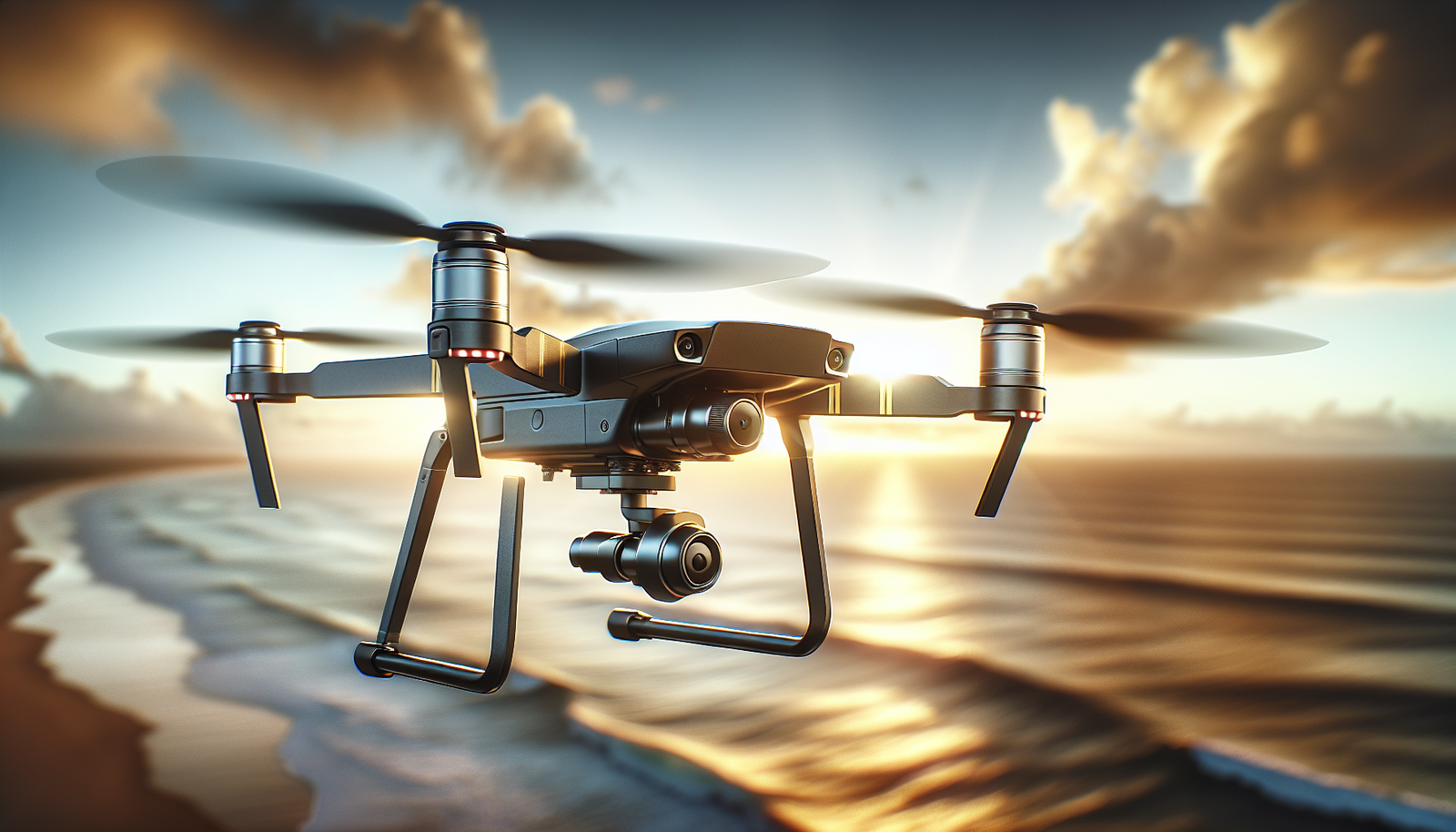
Have we ever watched a film and wondered how that smooth aerial shot was made?
Drone cinematography captures clear aerial shots
We make aerial shots with drones to add scale and motion to films. We use small aircraft with cameras to record scenes from above. This article explains how we get clear, stable, and expressive aerial footage. We put practical steps first. We keep language simple and direct.
What is drone cinematography?
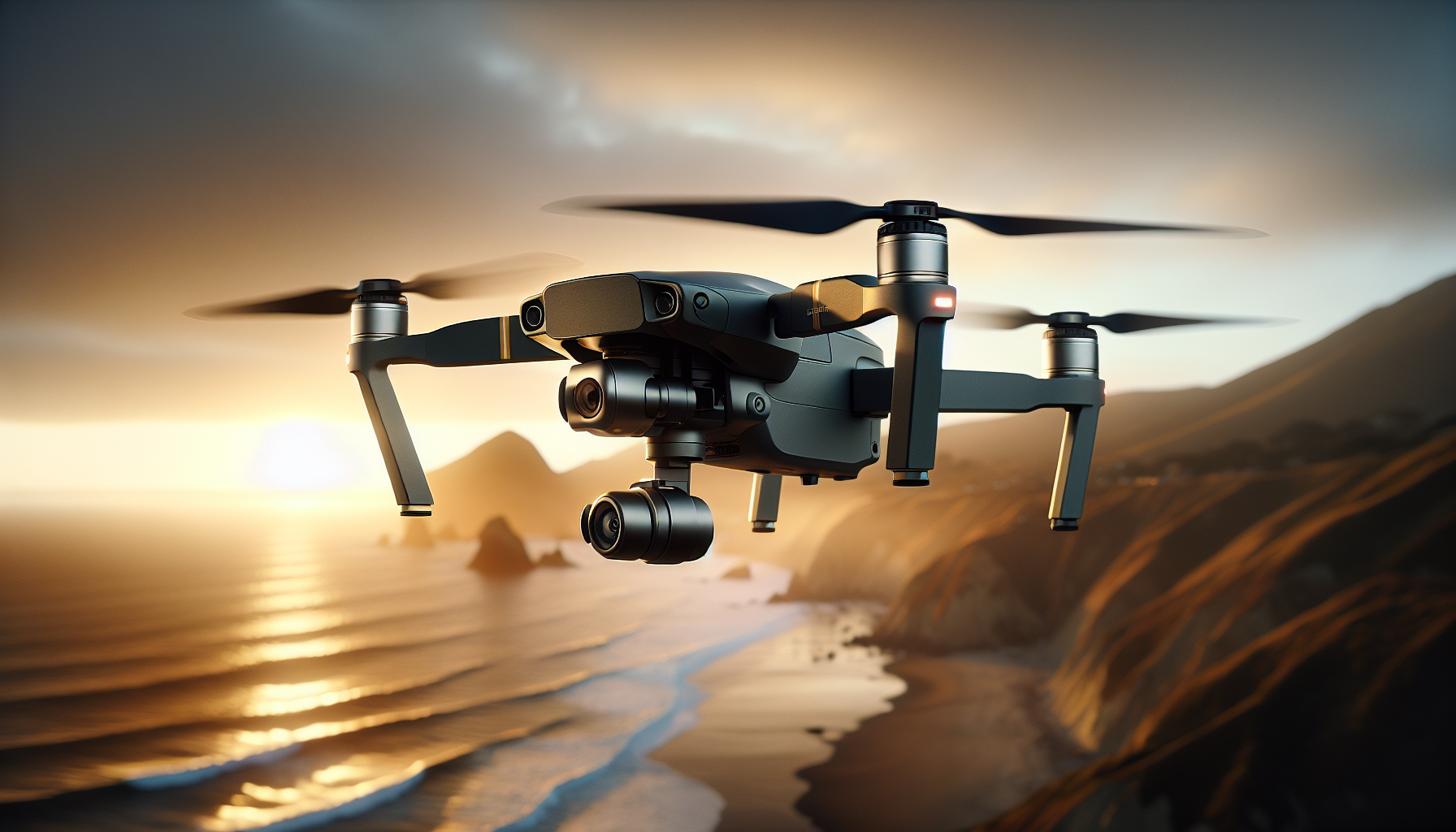
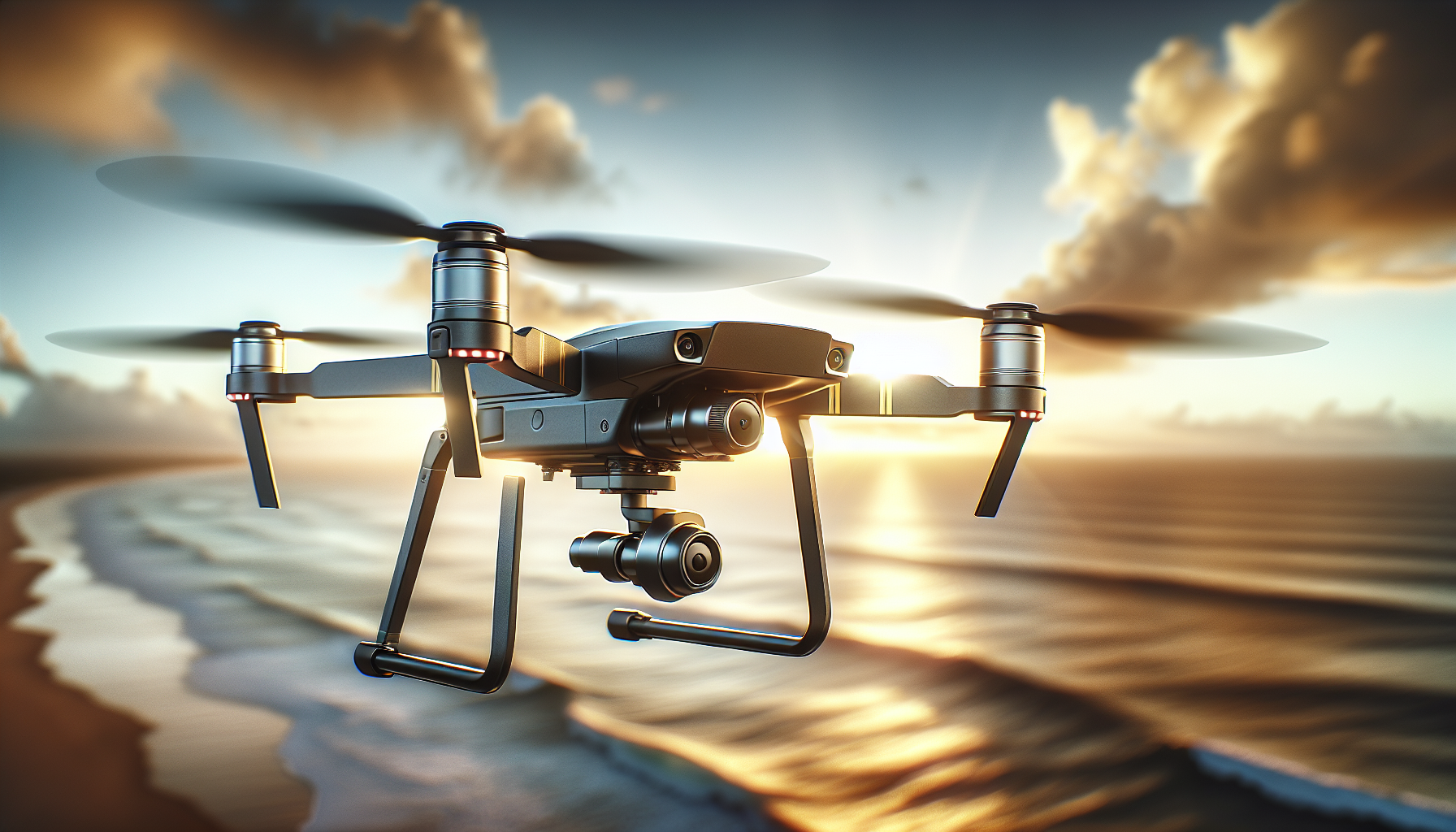
We use drones to film from the sky. The drone carries a camera and a stabilizer. We move the drone to create camera motion. We record landscapes, buildings, people, and events from angles that ground cameras cannot reach. We aim for clarity, stable motion, and a visual story.
We separate the craft into flight operation and image capture. Flight operation controls placement and motion. Image capture controls framing, exposure, and color. Both parts matter for a clear shot.
Why choose drone shots?
We add context with height and scale. We show relationships between objects and people. We move smoothly through space to create emotional effects. We use aerial shots to start scenes, to follow a subject, and to reveal a location. A clear aerial shot can change how a viewer feels about a scene.
We can film areas that are hard to reach on foot. We can keep subjects safe by filming from a distance. We can do multiple takes quickly if conditions allow. These benefits make drones a strong tool for many productions.
Basic components of a drone filmmaking kit
We keep gear simple and purposeful. We choose items that improve image quality and flight reliability.
| Component | Purpose |
|---|---|
| Drone airframe | Carries the camera and provides stable flight |
| Camera and lens | Records image and defines look |
| Gimbal | Keeps the camera steady during motion |
| ND filters | Control exposure and allow cinematic shutter speeds |
| Extra batteries | Extend flight time with quick swaps |
| Memory cards | Store footage with high write speed |
| Remote controller | Control flight and camera settings |
| Smartphone/tablet | Monitor live image and telemetry |
| Propeller spares | Replace damaged props quickly |
| Toolkit | Make minor repairs on location |
| GPS beacon / tracker | Find the drone if we lose it |
We inspect each item before a shoot. We charge batteries and format cards. We carry spare parts and test the gimbal. We plan for simple failures.
Types of aerial shots
We choose shot types that match the story. Each shot has a purpose and a typical motion. We list common types and how we use them.
Establishing shot
We place the drone high and hold a steady frame. We show scale and location. This shot gives the viewer context.
We move slowly if we shift the frame. We keep motion minimal unless we want to reveal a feature.
Tracking shot
We follow a subject in motion. We match drone speed to subject speed. We keep the frame steady so the subject stays composed.
We adjust altitude and lateral position to keep the shot dynamic. We watch for obstacles and wind.
Reveal shot
We hide the subject behind an object and then move to show it. We build suspense and then reveal the key element.
We time the motion with sound or actor movement for impact. We often lower or move around a cover object.
Orbit shot
We circle the subject on a fixed radius. We keep the camera pointed at the subject. This shot gives a sense of three-dimensional space.
We stabilize altitude and speed to keep smooth motion. We use the gimbal to hold framing.
Top-down shot
We place the drone directly above the subject and point the camera straight down. We create a geometric or abstract view. This shot emphasizes patterns and relation of elements.
We keep altitude consistent to control scale. We avoid shadows in harsh light for clarity.
Crane-like vertical shot
We move the drone up or down in a straight line, like a crane. We shift perspective and reveal vertical relationships.
We keep motion slow to feel cinematic. We use steady ascent or descent and maintain camera stabilization.
Camera settings for clear aerial shots
We set the camera to capture clean, usable footage. We choose ISO, shutter speed, aperture, and frame rate based on lighting and motion. We follow a simple rule: lower ISO for less noise, proper shutter speed for natural motion blur, and correct aperture for depth of field.
| Condition / Shot | Frame Rate | Shutter Speed | ISO | Aperture | Notes |
|---|---|---|---|---|---|
| Cinematic outdoor (24/25 fps) | 24/25 | 1/48 or 1/50 | 100–400 | f/2.8–f/5.6 | Use ND filter in bright light |
| Smooth motion (60 fps slow-mo) | 60 | 1/120 | 100–800 | f/2.8–f/5.6 | Use for smooth slow-motion |
| Low light | 24/25 | 1/48 or 1/50 | 800–1600 | f/1.8–f/2.8 | Expect more noise |
| Fast action | 120 fps | 1/240 | 200–800 | f/2.8–f/4 | Use high frame rate for re-timing |
| Top-down pattern | 24/25 | 1/48 or 1/50 | 100–400 | f/5.6–f/8 | Keep everything sharp |
We avoid high ISO unless needed. We match shutter speed to frame rate for natural motion. For 24 fps we close shutter to about 1/48. We use ND filters to maintain aperture and shutter in bright light.
We shoot in a flat or log profile when we plan to color grade. We preserve highlights and shadows for later work. We record at the camera’s highest quality to reduce compression artifacts.
ND filters and their role
We use ND filters to reduce light while keeping the desired shutter speed. We maintain motion blur by using ND glass in bright conditions. We choose filter strength by reducing stop values in steps.
We change filters outside to avoid touching lens surfaces. We keep a set of common ND values and test quickly.
Flight planning and shot planning
We plan flights to reduce surprises. We check weather, obstacles, and permissions. We draw a sketch of the intended shots and mark safe landing zones. We check battery counts and swap points.
We plan a shot list with priority. We schedule complicated shots early while batteries and weather are best. We inform crew and actors of drone movement to avoid sudden reactions.
Steps for planning:
- Check local regulations and needed permits.
- Check weather and wind forecast.
- Inspect location for obstacles and people.
- Choose takeoff and landing site.
- Plan flight path and altitudes.
- Create shot list with camera settings.
- Pack extra batteries and spares.
- Test communication and telemetry.
We brief the team before takeoff. We assign roles such as pilot, visual observer, and camera operator.
Pre-flight checklist
We run a short checklist before we fly. This reduces human error and improves safety.
| Item | Status |
|---|---|
| Batteries charged | Yes/No |
| SD cards formatted | Yes/No |
| Propellers secure | Yes/No |
| Gimbal calibrated | Yes/No |
| Firmware up to date | Yes/No |
| GPS lock achieved | Yes/No |
| Return-to-home set | Yes/No |
| Visual observer briefed | Yes/No |
| Obstacle check complete | Yes/No |
| Permissions confirmed | Yes/No |
We never skip this checklist. We update it based on location and complexity.
Safety and legal rules
We respect laws and keep people safe. We check local rules for drone operations. We avoid flying near airports, crowded events, and sensitive facilities without permission. We keep line of sight with the drone and maintain safe distance from people.
We insure the drone when we can. We keep a plan for emergency landing. We reduce risk by lowering speed near people and by using a visual observer to watch the drone’s path. We stop the flight if conditions change.
We obtain permits when required. We register the drone if local laws require registration. We follow altitude limits and restrictions. We communicate with authorities if necessary.
Techniques for smoother motion
We use smooth control inputs and gimbal settings to get steady footage. We fly slowly. We plan the motion and repeat it. We use the gimbal to counteract sudden drone movements.
We set control rates lower for cinematic shots. We reduce stick sensitivity and use fine control. We practice the motion on the ground and test in the air before recording critical takes.
- Move at constant speed.
- Start and stop gradually.
- Keep turns wide and steady.
- Use the gimbal to damp small pitch and roll changes.
- Avoid sudden altitude changes.
We use the drone’s cinematic or tripod mode if available. We let the drone hover to recompose the shot.
Wind and weather considerations
We check wind speed and direction before flying. Wind affects stability and battery life. We do not fly in high gusts. We avoid rain, snow, and dense fog for clear images and to protect the drone.
We use wind forecasts and local observations. We fly at times when wind is lower, such as early morning or late evening. We adjust flight paths to keep wind from pushing the drone toward obstacles.
We measure wind impact by testing hover stability. We abort if the drone drifts too much. We monitor battery drain as wind increases.
Lighting and time of day
We choose light for clarity and mood. We shoot in soft light for even exposure and gentle shadows. We use golden hour for warm tones and side light. We avoid harsh noon light if we need balanced exposure.
We place the sun relative to the shot. We use backlight for silhouettes. We use side light for texture. We use front light for even skin tones. We plan shots based on the sun path and shadows.
We expose to protect highlights in bright scenes. We bracket exposures if the scene has high contrast. We use graduated ND filters for horizons when needed.
Framing and composition from the air
We apply basic composition rules to aerial shots. We place important elements using the rule of thirds. We lead the eye with lines and patterns. We use negative space for minimal scenes.
We change altitude to change scale. We move closer to show detail. We pull back to show the subject in context. We make sure horizons are level. We correct tilt in flight or in post if needed.
Communication on set
We coordinate with the team. The pilot needs clear cues and timing. The camera operator needs to confirm framing. Actors need to know when the drone will pass. We use simple, direct commands.
We assign a visual observer to watch for people and obstacles. We stop the drone if someone enters the flight area. We document the shot order and keep everyone informed.
Post-production workflow
We transfer footage carefully. We back up originals to two locations. We check files for corruption. We build a timeline using source footage at full resolution.
We color grade to match shots and to create the intended mood. We adjust exposure, contrast, and color balance. We use RAW or log footage to preserve detail. We add stabilization in post only when necessary. We avoid over-sharpening.
Steps in post:
- Ingest and back up footage.
- Sync with audio if needed.
- Edit selects and assemble rough cut.
- Color correct to balance shots.
- Grade to create look and mood.
- Export with proper codecs for delivery.
We keep edit decisions simple and focused. We remove shots that distract or repeat too much.
Stabilization and motion smoothing in post
We use software stabilization when small jitters remain. We track motion to keep the subject steady. We crop slightly to allow for stabilization without quality loss. We avoid heavy stabilization that causes warping.
We combine hardware gimbal stability with light software smoothing. We stabilize before color grading. We render at high quality to keep artifacts low.
Color grading tips for aerial footage
We balance exposure across shots first. We match skies and foregrounds. We adjust color temperature for consistent white balance. We use curves and wheels to control highlights and shadows.
We protect skin tones when people appear in the shot. We avoid pushing saturation too far. We use secondary color corrections to isolate elements like water or vegetation.
We apply lens corrections if needed. We remove chromatic aberration and fix vignetting. We keep the final look readable on multiple screens.
Audio considerations
We record audio separately when required. The drone makes noise, so onboard audio is often unusable. We use plants, lavalier mics, or boom mics on set. We record ambient sound for realism.
We use library sound or Foley for aircraft and wind if needed. We mix levels so dialogue and key sounds are clear. We add low-frequency energy to give weight to long aerial passages.
Common problems and fixes
We list frequent issues and clear fixes. We keep solutions simple and practical.
- Blurry footage: Clean lens and gimbal. Check focus mode. Lower shutter if motion blur is excessive. Increase shutter if subject moves too fast.
- Jitter or micro-vibrations: Check propeller balance. Replace chipped props. Add rubber dampers if the drone supports them.
- Rolling shutter distortion: Reduce rapid rotations. Use higher shutter speeds for fast action. Use cameras with global shutter when possible.
- Exposure flicker: Lock exposure if lighting is steady. Use manual exposure. Test for auto-exposure changes during motion.
- Color shifts between shots: Shoot in a flat profile and grade. White balance manually before rolling.
- Short battery life: Carry extra batteries and monitor telemetry. Land with a safe margin.
We fix most issues on location with quick tests and adjustments.
Case study: A short narrative sequence
We plan a two-minute sequence that opens with an establishing aerial, follows a cyclist, and ends with a reveal of a riverside village. We outline the steps and settings.
Pre-shoot:
- We scout the location and mark takeoff points.
- We check local airspace and secure permission.
- We confirm the weather for calm winds and soft light.
Shot list and settings:
- Establishing shot (high, slow pan)
- Frame rate: 24 fps
- Shutter: 1/50
- ISO: 100
- Aperture: f/5.6
- ND: ND8
- Tracking shot (follow cyclist at 20 km/h)
- Frame rate: 60 fps for slow-motion catch
- Shutter: 1/120
- ISO: 200
- Aperture: f/4
- ND: ND4
- Reveal shot (crest over hill)
- Frame rate: 24 fps
- Shutter: 1/50
- ISO: 100
- Aperture: f/5.6
- ND: ND8
Flight execution:
- We perform a systems check and calibrate compass.
- We brief the cyclist and crew on timing.
- We practice the tracking run once without recording.
- We record each take and review it on a monitor.
Post:
- We assemble the sequence and correct exposure.
- We grade to warm tones for the village.
- We add ambient sound and a subtle score.
Result:
- The sequence reads cleanly. The tracking shot keeps the cyclist centered. The reveal gives context and resolution.
Legal and ethical considerations
We respect privacy. We avoid filming private property without permission. We avoid recording people in private moments. We follow the law and ask subjects for consent when necessary.
We keep safe distances from wildlife. We avoid disturbance to animals. We avoid flying over protected habitats if regulations forbid it.
We carry documentation and proof of insurance on commercial shoots. We be ready to show permits to authorities.
Training and practice
We practice basic maneuvers daily. We log flight hours and review footage to learn. We train for emergency landings and drone failures.
We practice flying in different wind conditions and altitudes. We practice manual camera moves and framing under pressure. We learn to control the drone by feel and reference, not just by instruments.
We take formal courses when we can. We study local laws and best practices. We learn from other pilots and from mistakes.
Budgeting for drone cinematography
We set a budget that covers gear, permits, and insurance. We allocate time for planning and scouting. We include post-production time for grading and stabilization.
We balance cost and image quality. A higher-end camera and gimbal reduce post work. Extra batteries and spares reduce the risk of a canceled shoot.
Sample budget split (percent):
- Equipment and maintenance: 40%
- Insurance and permits: 10%
- Crew and pilot fees: 30%
- Post-production: 15%
- Contingency: 5%
We adjust this split based on project scale.
Choosing the right drone and camera
We match the drone to the shoot needs. We choose a small, nimble drone for quick runs and tight spaces. We choose a larger platform for long flight times and heavier cameras.
We prefer drones with a gimbal and reliable GPS systems. We choose cameras with large sensors and good low-light performance for clean footage. We consider interchangeable lens systems when we need varied focal lengths.
We test the gear in similar conditions before a major shoot. We confirm compatibility between camera, gimbal, and drone.
Environmental impact and responsibility
We fly in ways that reduce impact. We avoid disturbing wildlife and people. We limit flights in sensitive areas. We pack out trash and leave the location as we found it.
We use quieter propellers when possible. We schedule flights to avoid critical wildlife periods like nesting or migration.
Advanced techniques
We use waypoint missions for repeatable paths. We integrate the drone data with ground camera to maintain continuity. We use focus pull on the gimbal when the subject moves relative to background.
We employ HDR bracketing on stills for high dynamic range images. We may use dual-operator setups where one person pilots and another controls camera angles.
We use telemetry logs for post-analysis and repeatable results.
Common legal terms we should know
We list simple definitions we use to stay compliant.
| Term | Meaning |
|---|---|
| Line of sight | The pilot can see the drone without aids |
| No-fly zone | Area where drone flight is restricted |
| Altitude limit | The maximum legal height for flight |
| Visual observer | A person designated to assist the pilot |
| Remote ID | Identification broadcast by the drone during flight |
We learn these terms and follow rules based on them.
Collaboration with other departments
We coordinate with directors, production designers, and sound teams. We share shot lists and schedule times. We adapt the aerial shots to match the film’s tone and pacing.
We meet with the team during pre-production to align on goals. We make compromises when safety or constraints require them.
Common mistakes and how we avoid them
We list mistakes we see often and how we fix them.
- Rushed planning: We allot time for scouting and tests.
- Bad audio assumptions: We record audio separately.
- Ignoring weather: We check forecasts and plan backup days.
- Overcomplicated maneuvers: We choose simpler moves that read better.
- Poor battery management: We track cell counts and swap early.
We learn from these errors and build habits to prevent them.
Equipment maintenance
We clean drones after each shoot. We inspect motors, propellers, and gimbals. We update firmware regularly. We replace worn parts. We store batteries in recommended conditions.
We log maintenance tasks and note any issues after flights. We avoid flying with damaged parts.
Renting versus buying
We weigh renting against buying. Renting saves money for one-off projects. Buying pays off for frequent use. We consider the learning curve and support needs.
We rent high-end gear for special projects. We buy a reliable daily drone for regular work.
How we measure shot quality
We assess footage by clarity, stability, and composition. We review focus, exposure, and motion. We look for distractions and distractions removal options.
We score shots and list rescues if a shot needs rework. We repeat a shot if it fails to meet the standard.
Preparing for delivery
We export with correct codecs and resolutions. We confirm client specs. We provide proxies if files are large. We include color metadata and a grading LUT if requested.
We document the workflow and any special notes about the footage. We deliver in a format that is easy to integrate into the edit.
Final checklist before packing up
We run a final check before we leave the site to make sure we do not forget gear and to confirm footage safety.
- All media backed up to multiple locations.
- Batteries stored safely.
- Spare parts accounted for.
- Flight logs saved.
- Permissions and documentation packed.
We leave the location clean and organized.
Final thoughts
We can make clear, expressive aerial shots with careful planning. We keep flights safe and legal. We set the camera to capture high-quality images. We practice and refine our technique. We keep the language of our work simple and the aim clear: to tell a visual story from the air.
We return to the basics often. We fly with respect for people and place. We aim for shots that serve the story and meet technical standards. We learn from each flight and bring that learning into the next one.