

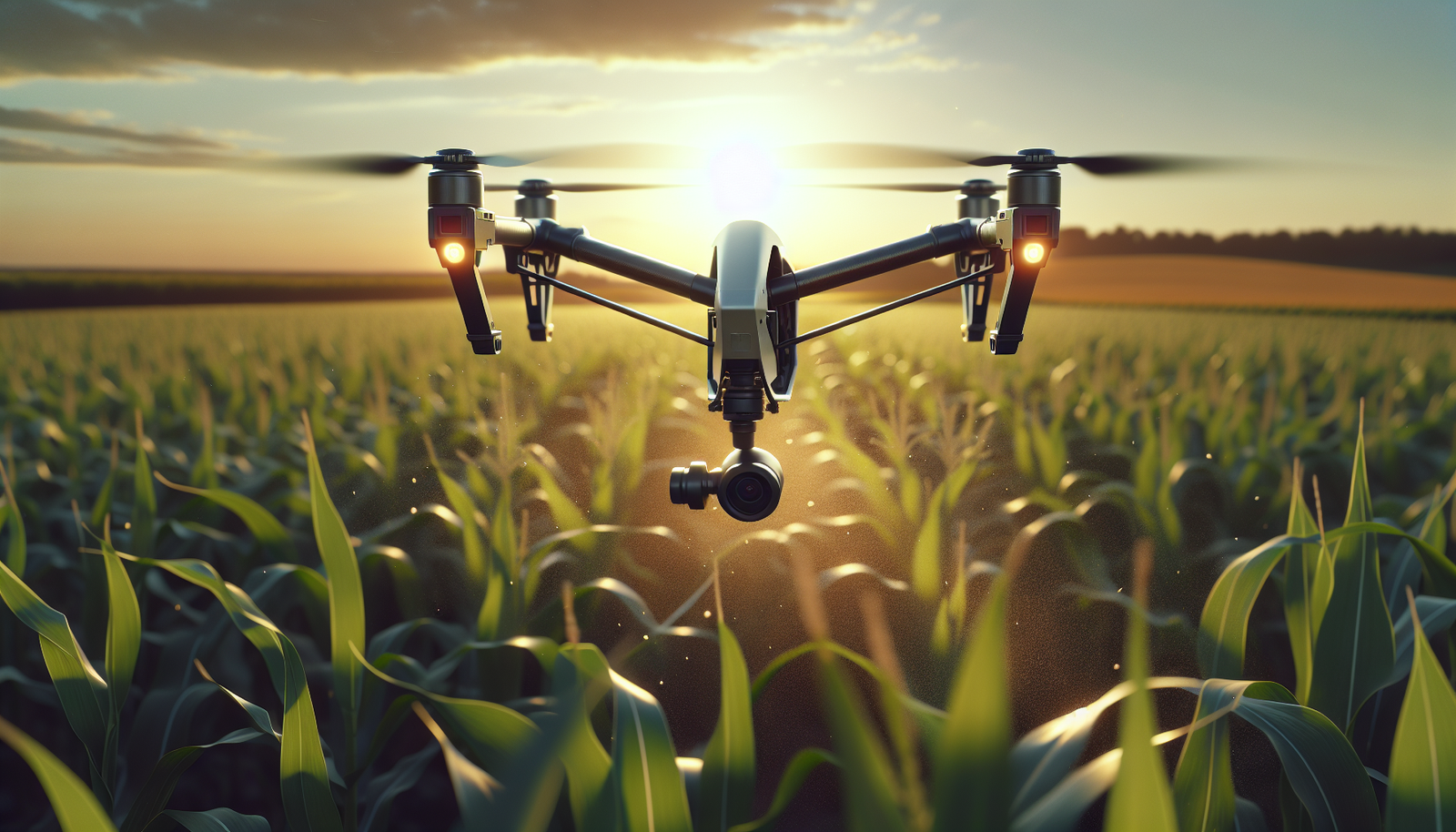
?What does a small flying machine say to a field at dawn?
He reads the crop like a doctor reads a pulse. She watches patterns in green and brown. They map stress before a human sees it. This article explains how agricultural drones monitor crop health. It aims to be clear, direct, and useful. The tone stays friendly and observant. The voice borrows a quiet humor that signals a human presence behind the facts.
How agricultural drones work
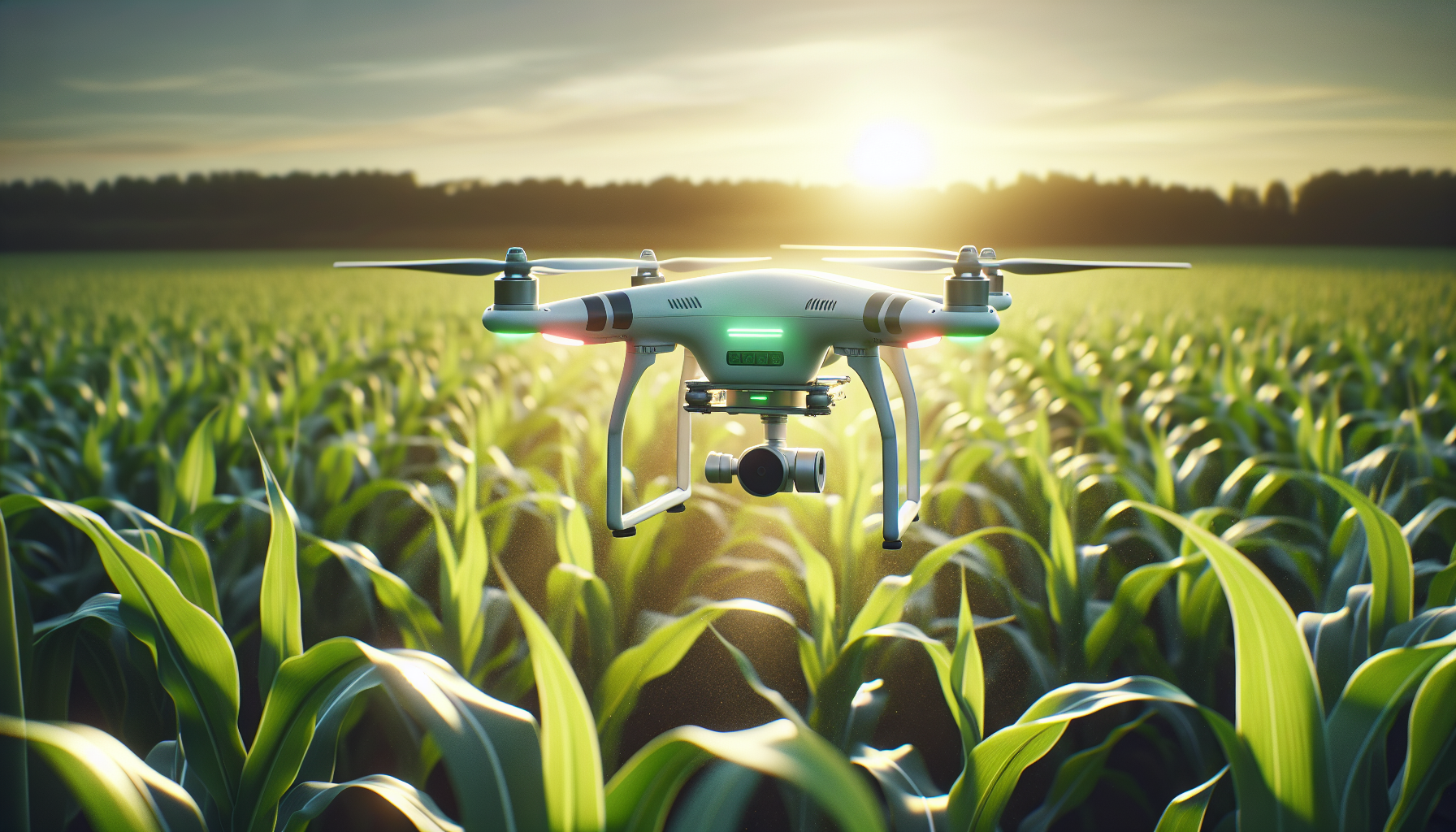
Drones carry sensors and fly over fields. They send images and data to a ground station. Software then converts the raw data into maps and reports. Farmers use those outputs to make decisions about irrigation, fertilizer, and pest control. The method reduces guesswork and saves time.
He watches the drone lift from a gravel patch. She notes the whirr and the steady arc over rows. They plan a flight with a simple checklist. The drone follows the plan and returns with a set of images. The process feels normal fast.
Flight planning and execution
The operator selects an area and draws a boundary. The software calculates waypoints and altitude. The drone follows the path and collects images at regular intervals. The operator monitors the drone and can intervene if needed. The result is a complete visual record of the field.
Types of drones used in agriculture
Drones range from small quadcopters to larger fixed-wing models. Multirotor drones hover and capture detailed images. Fixed-wing drones cover large areas in a single flight. Farmers pick the drone that matches field size and task. Budget, sensor needs, and payload matter.
Multirotor drones
A multirotor drone rises vertically and holds position easily. It takes images at low altitude for fine detail. It suits orchards, small plots, and spot checks. The flight time tends to be shorter than fixed-wing models. The operator often prefers it for precision tasks.
Fixed-wing drones
A fixed-wing drone glides and covers distance efficiently. It scans large fields in less time. It requires a runway or catapult for launch. It offers longer flight time and greater range. It suits broad-acre crops like wheat and corn.
Sensors and cameras
Drones carry different sensors for different tasks. The sensor choice affects the kind of insight that follows. The main sensor types are RGB, multispectral, hyperspectral, thermal, and LiDAR. Each sensor reveals different signs of crop health.
| Sensor type | What it measures | Main use |
|---|---|---|
| RGB camera | Visible light (red, green, blue) | Visual inspection, crop counts, mapping |
| Multispectral | Multiple narrow bands including near-infrared | Vegetation indices, stress detection |
| Hyperspectral | Hundreds of narrow bands | Detailed chemical and plant analysis |
| Thermal | Temperature differences | Water stress, irrigation issues |
| LiDAR | Distance and 3D structure | Canopy height, terrain mapping |
He reads the table and nods. She picks a sensor based on need. They avoid overbuying features that they will not use.
RGB cameras
RGB cameras capture images that match what the eye sees. They provide clear views of plant rows, bare soil, and plant color. The images help spot weeds, broken irrigation lines, and visible disease. They form the base layer for many analyses.
Multispectral cameras
Multispectral cameras collect light in specific bands. They capture red, green, blue, and near-infrared bands. They produce vegetation indices like NDVI. These indices estimate plant health and photosynthetic activity. Farmers use them to detect stress early.
Hyperspectral cameras
Hyperspectral sensors measure many narrow bands across the spectrum. They detect subtle changes in leaf chemistry and moisture. Researchers use hyperspectral cameras to identify specific pathogens and nutrient deficiencies. The sensors generate large datasets that require advanced processing.
Thermal cameras
Thermal sensors record surface temperature. They reveal warm and cool patches across fields. Warm spots often signal water stress or disease. Farmers use thermal data for irrigation scheduling and to find leaks or malfunctioning equipment.
LiDAR
LiDAR sends pulses of light and measures return time. It builds a three-dimensional map of the canopy and terrain. Farmers use LiDAR to measure canopy height and biomass. The data support yield estimation and precision harvesting.
Key crop health indicators monitored by drones
Drones track several indicators that reflect plant condition. The indicators help the farmer act quickly and precisely. Common indicators include vegetation indices, canopy cover, plant height, moisture stress, and pest or disease signs.
Vegetation indices
Vegetation indices compare reflectance in different bands. NDVI is the most common index. NDVI highlights green, photosynthetically active areas. Low NDVI spots can show stress due to drought, disease, or nutrient lack. The indices allow the farmer to see patterns that the eye might miss.
Canopy cover and density
Drones measure how much of the soil surface the canopy covers. Dense canopy suggests healthy growth. Sparse canopy may indicate poor emergence, pest damage, or nutrient deficiency. Mapping canopy cover helps plan replanting or targeted treatment.
Plant height and biomass
Drones estimate height through photogrammetry or LiDAR. Height links to biomass and yield potential. Low growth may point to stress during a critical phase. Farmers track height to decide on fertilizer timing and rates.
Soil and moisture stress
Thermal data and multispectral indices reveal moisture stress. Plants under water stress warm up and show spectral changes. Drones detect stressed areas before the plant wilts visibly. Irrigation can then be applied to the right location.
Pest and disease detection
Drones capture patterns and color changes that indicate pests or disease. Early detection limits the spread and reduces treatment costs. Operators combine visual inspection with indices to confirm issues.
Data collection workflow
The data workflow moves from flight to decision. The steps include flight planning, data capture, data transfer, processing, analysis, and action. Each step contributes to a timely and useful result.
- Plan the flight with boundaries and altitude.
- Calibrate sensors if required.
- Fly the drone along waypoints.
- Transfer the images to a computer or cloud.
- Process images into orthomosaics, indices, or 3D models.
- Analyze the outputs and generate maps and reports.
- Act on the recommendations with targeted treatments.
He follows the numbered steps like a recipe. She appreciates the clarity. They value a routine that produces consistent results.
Data processing software
Several software solutions convert raw images into actionable maps. Some apps run on a local computer. Others run in the cloud for faster processing. The software stitches images, corrects color, and computes indices. The platform should support export in common file formats.
Machine learning and AI
Machine learning helps classify features and detect anomalies. Algorithms learn to tell healthy plants from stressed ones. They can identify weeds, diseases, and pest hotspots. The technology improves with more labeled data and repeat flights.
Use cases for crop health monitoring
Drones support many farm tasks. They help with scouting, irrigation management, fertilizer application, pest control, yield forecasting, and insurance claims. The value often appears in faster action and reduced costs.
Scouting and monitoring
Drones replace slow foot scouting over large areas. They record high-resolution images that the farmer reviews later. The images provide a complete view and a record over time. The farmer saves time and finds problems faster.
Irrigation management
Drones map moisture stress and leak points. They prioritize irrigation for stressed zones. This approach reduces water use and keeps yield stable. The farmer can adjust irrigation schedules based on data rather than guesswork.
Nutrient management
Drones identify areas with low biomass or pale leaves. The farmer applies fertilizer in variable rates to sections that need it. Variable rate application reduces fertilizer waste and improves efficiency. The data also document why a section received more nutrients.
Pest and disease management
Drones detect early signs of infestation or disease. The farmer targets treatment to the affected areas. This focused approach uses fewer sprays and reduces environmental impact. Early action often prevents large yield losses.
Yield prediction and harvest planning
Drones estimate canopy size and plant height. Combined with historical data, this helps forecast yield. The farmer plans harvest dates and labor needs. The insights support logistics and storage preparation.
Insurance and field records
Drones create time-stamped images and maps. Farmers use these records for crop insurance claims. The images provide proof of crop condition before and after a loss event. Insurers may accept drone data as part of a claim.
Interpreting drone data
The farmer reads maps and indices to make decisions. The reports show areas of concern and suggested actions. The user needs to match data signals with field knowledge. Calibration with ground truthing improves confidence.
He walks the field after a drone flight to check findings. She samples plants in the flagged areas. They confirm whether the drone points to drought, pests, or nutrient shortfall. This process builds trust in the system.
Ground truthing
Ground truthing means verifying drone data with field checks. The farmer inspects plants, soil, and irrigation equipment on site. Ground truth reduces false positives and helps tune algorithms. It is a simple but critical step.
Threshold setting
The operator sets thresholds for indices that trigger action. The thresholds change by crop, growth stage, and management goals. The farmer may lower thresholds in high-value crops. Threshold tuning affects how often the farmer intervenes.
Cost, benefits, and return on investment
Drones involve purchase, sensors, software, and training costs. They also produce benefits in saved time, reduced inputs, and higher yields. The return on investment depends on farm size, crop value, and how the farmer uses the data.
| Cost item | Typical range | Notes |
|---|---|---|
| Drone hardware | $1,000 – $30,000 | Depends on model and payload |
| Sensors | $500 – $100,000 | RGB is cheap; hyperspectral is expensive |
| Software | $20 – $500+ per month | Cloud processing and analytics fees |
| Training and labor | $500 – $5,000 | Initial setup and learning curve |
| Maintenance | $100 – $2,000 per year | Batteries, repairs, updates |
He examines the table and thinks about priorities. She calculates costs per acre and potential savings. They consider shared services or contractor flights to lower initial expense.
Cost-saving examples
Drones reduce blanket pesticide spraying by enabling spot treatment. They reduce unnecessary irrigation through targeted water application. They reduce the labor for scouting. These savings can recoup the investment in one growing season for high-value crops.
When drone use may not pay
Very small farms or low-value crops may not benefit enough to justify the cost. Fields with heavy tree cover might not yield accurate results from some sensors. When infrastructure or internet is poor, cloud processing may be impractical. The farmer should match the tool to the need.
Regulations and safety
Regulations vary by country and region. Operators must follow flight rules, altitude limits, and line-of-sight requirements. Many places require registration of drones and certification for commercial use. Safety planning reduces the risk of accidents.
Privacy and data ownership
Drones capture images that may include neighboring properties. The operator should respect privacy and local laws. The farmer should clarify who owns the data and how it will be stored. Clear data practices prevent disputes.
Risk management
The operator inspects the drone before each flight. The operator checks weather and avoids high winds and rain. The operator keeps a safe distance from people and power lines. Simple precautions reduce most risks.
Challenges and limitations
Drones do not replace all field work. They produce data that needs interpretation. Weather can limit flights and cloud processing. Data volume can overwhelm a farm with weak connectivity. The farmer needs reliable workflows and training.
He finds that a single false alarm can erode trust. She notes that false positives sometimes lead to unnecessary checks. They learn to combine drone data with local knowledge and soil tests.
Sensor and data limitations
Sensors have limits in resolution and spectral range. Some problems appear at a scale too small for ordinary cameras. Hyperspectral sensors offer depth but at high cost and heavy data loads. Data processing can introduce errors if not calibrated.
Operational limits
Battery life limits flight time. Multirotor drones often require several batteries for a full field. Fixed-wing models need different launch and recovery methods. The farmer should plan flights and backup systems.
Best practices for effective monitoring
Good practices improve results and reduce wasted effort. The farmer should fly regularly and at consistent times. The operator should use standard altitudes and overlap for image capture. The farmer should keep records and compare maps over time.
- Plan flights based on crop growth stage.
- Use calibration panels to standardize reflectance.
- Keep flight logs and metadata for each mission.
- Train staff and build a routine for data processing.
- Pair drone maps with ground checks for confirmation.
She writes the checklist on a sticky note. He pins it to the console. They follow the routine and gain confidence.
Integration with farm management systems
Drone data fits into a broader digital ecosystem. Farmers use farm management software to store maps and notes. The systems may exchange data with variable rate application equipment. The integration reduces manual transfer and errors.
Precision application
Variable rate applicators read prescription maps and apply inputs accordingly. The farmer creates a prescription from drone data and sends it to the applicator. This reduces overuse of fertilizer and pesticides. The result is targeted application that saves cost.
Record keeping and compliance
Drone records help with documentation for regulators and buyers. The farmer collects a history of treatments, yields, and scouting notes. These records support audits and certifications. Digital records simplify the process.
Case studies and examples
Short examples show how drones made a difference on specific farms. The stories illustrate the use of data to act early and save resources.
Case study 1: Early drought detection on a vegetable farm
A small vegetable farm faced uneven irrigation. The farmer flew a drone after a dry spell. The thermal map revealed hot spots near a clogged mainline. The farmer fixed the line and restored uniform moisture. The crop recovered and harvest loss stayed low.
Case study 2: Spot spraying in a cereal crop
A grain farmer found weed patches in a field. The drone mapped the patches with RGB images. The farmer used a sprayer with GPS to treat only the flagged areas. Chemical use dropped and the yield for the rest of the field stayed strong.
Case study 3: Insurance documentation after hail
A grower had hail damage during a storm. The farmer had drone images from the previous week. The insurer compared the before and after images. The claim process moved faster and the payout matched documented losses.
He reads the stories and sees simple patterns. She sees practical value in quick action. They see how evidence speeds decisions.
Future trends
Drones will become easier to use and cheaper. Sensors will improve and offer more precise data. Integration with AI will speed detection and reduce false positives. The future will bring more automation and tighter integration with farm equipment.
The drone will one day act as a routine member of the farm crew. The operator will issue a request, and the drone will fly, scan, and return with a plan. That future arrives slowly, but it arrives.
Automation and swarm flights
Researchers test multiple drones working together on large fields. Swarms can reduce total mission time. They can combine sensor types on different platforms for richer data. Coordination and safety systems must improve for practical deployment.
Edge computing and faster analysis
Processors on the drone can analyze images in flight. Edge computing reduces data transfer needs. The drone can flag problems and send only the critical data. This capability suits farms with limited internet.
Improved sensors and lower costs
Sensor manufacturers cut costs and improve sensitivity. Multispectral and thermal sensors will get smaller and cheaper. Wider adoption will let smaller farms benefit from advanced data.
How to start with drones
Starting requires planning and realistic expectations. The farmer should define goals and start small. They should choose a basic system and learn to use it well before adding complexity.
- Define goals: scouting, irrigation, or yield estimation.
- Research local regulations and register equipment if required.
- Choose hardware that fits the goals and budget.
- Get basic training or hire a contractor for initial flights.
- Start with regular flights and compare results to ground checks.
- Expand sensors or software as needs grow.
She prefers to rent flights first. He prefers to buy and learn. Both approaches work when the farmer stays realistic about time and costs.
Questions farmers ask
New users ask about weather, privacy, data ownership, and learning curve. The answers depend on local rules and farm specifics. The basic responses below help the operator decide.
- Can drones fly in wind? They can fly in moderate wind, but high wind reduces image quality and safety.
- How often should the farmer fly? Weekly or biweekly flights suit many crops. Higher value crops may require more frequent checks during critical stages.
- Who owns the data? The owner depends on contracts with service providers and local rules. The farmer should confirm ownership before a service engagement.
- Can drones replace scouts? They complement scouts. Drones speed up the process, but boots on the ground confirm findings.
- Do drones work at night? Most sensors need daylight. Thermal cameras can work at night for temperature differences but with limits.
He finds that clear answers calm nervous operators. She appreciates short, factual guidance.
Ethical and environmental considerations
Drones reduce some environmental impacts by enabling precision application. They also raise questions about surveillance and privacy. The operator should use drones responsibly and respect neighboring farms.
The farmer who uses drones should act with restraint. The farmer should limit flights to necessary monitoring and avoid taking images of neighbors without consent. Responsible practice builds trust.
Conclusion
Drones offer a practical way to monitor crop health. They collect timely data and reveal stress before it becomes visible. Farmers use the data to make targeted decisions that save water, fertilizer, and time. The technology requires learning and routine, but the payoff can be significant for farms that adopt it thoughtfully.
He imagines a future where the drone joins the morning routine like a dog or a rooster. She laughs at the notion but keeps flying. They both agree that the small machine helps them care for plants with a new kind of attention. The result is not magic. The result is better information and a better chance for the crop to thrive.