


How much should we expect to pay for a Wingtra RAY and what affects the final price?
Wingtra RAY Price
We explain Wingtra RAY pricing and the items that shape the total cost. We present clear estimates, typical add-ons, and practical buying guidance so we can make confident purchase decisions.
Quick summary
We give an upfront price range and note key variables. We list examples so we can compare options quickly.
What Wingtra RAY is
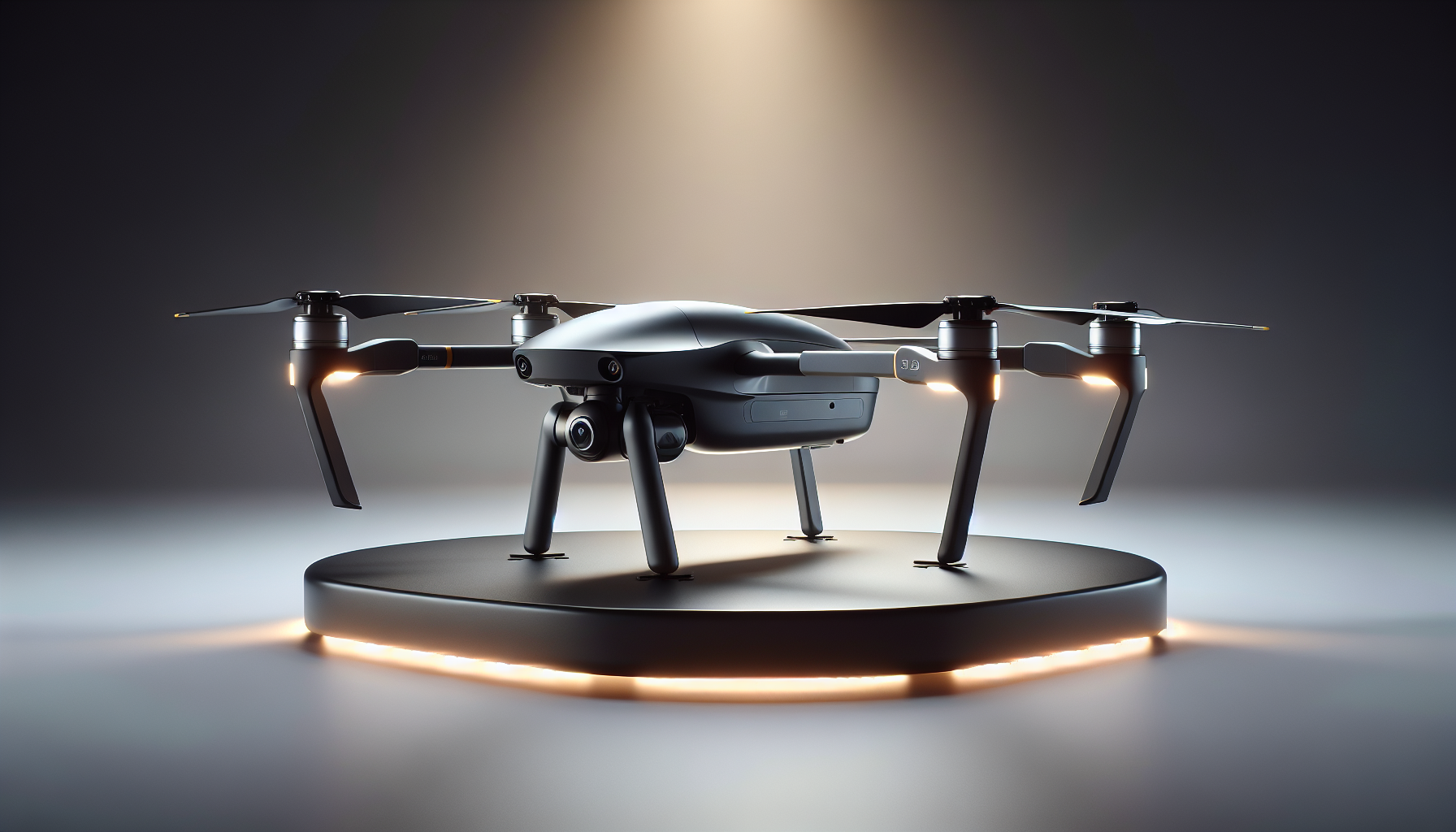
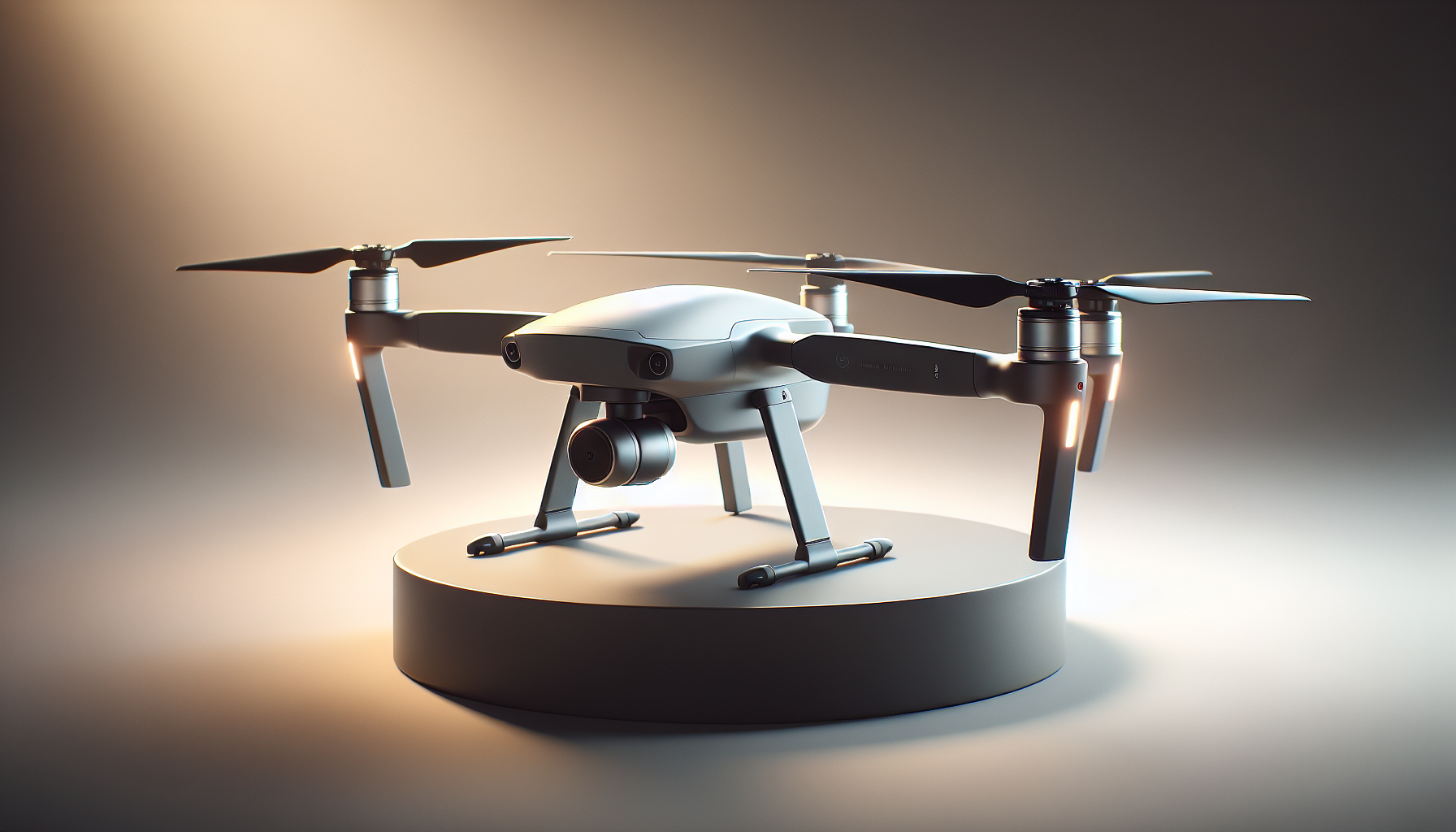
We describe the Wingtra RAY as a survey-focused VTOL drone built for high-speed mapping and inspection. We note that it uses a 61 MP camera, offers PPK, and supports multiple swappable sensors.
Who the Wingtra RAY suits
We say the Wingtra RAY suits surveyors, engineering firms, mining teams, utilities, and companies that need fast, repeatable, survey-grade data. We add that teams that want to cover large areas in short windows will gain the most value.
Core features that affect price
We list the main hardware and software features that influence the cost. We explain how each feature can add price or reduce operating expense.
Payload and sensor options
We explain that the base price varies with the chosen sensor. We note that RGB, LIDAR, multispectral, and inspection sensors each change the price.
Camera and imaging system
We state that the 61 MP full-frame camera increases imaging value and that it reduces the number of flights per project. We add that fewer flights can lower field time and operational cost.
Flight endurance and batteries
We say the 59-minute flight time drives mission planning and battery count. We explain that buying extra batteries increases the initial purchase price but reduces downtime in the field.
Safety and certification features
We point out that Wingtra RAY includes safety systems that affect regulatory approval and risk. We note that the parachute add-on, obstacle avoidance, dual telemetry, and backup battery design each influence final cost and operations.
Workflow and processing bundle
We explain that Wingtra RAY ships as a system with planning, PPK, and processing that aim to deliver CAD-ready files. We note that the included tablet and software support simplify the handoff to deliverables.
Technical specifications (brief)
We present key specs that buyers check before purchase. We keep the spec list short and clear.
| Specification | Value |
|---|---|
| Camera | 61 MP full-frame |
| Typical flight time | Up to 59 minutes |
| Survey speed | 100 ha (250 ac) in ~10 min (platform claim) |
| Positioning | GPS + GLONASS; PPK module included in some bundles |
| Wind resistance | Up to 27 mph |
| Safety | Parachute add-on; obstacle avoidance; dual telemetry |
| Setup time | Under 5 minutes; no calibration required |
We include the main specs that buyers use to estimate field efficiency. We keep the table focused on what affects price or operations.
What is included in standard bundles
We explain common inclusions and how these items shape price comparisons. We show the typical box contents.
Typical box contents
We list the main items that usually ship with a Wingtra RAY bundle. We show that bundles often include batteries, tablet, telemetry, and PPK.
| Item | Notes |
|---|---|
| Wingtra RAY mapping drone | Core airframe and flight systems |
| Tablet TabActive 3 | For mission planning and control |
| Telemetry module (2.4 GHz) | For radio control and telemetry |
| 2x Flight batteries | Standard count; extra batteries often optional |
| Flight battery charger with dock | For charging multiple batteries |
| Battery charger cable | Power input cable |
| T10 Torx screwdriver | Basic tool for field use |
| USB-C / SD adapter | Data transfer tools |
| Hardcase | Transport protection |
| PPK module | For survey-grade accuracy (included in some bundles) |
| Operating system and essential apps | Installed on tablet |
| Software updates and third tier support | Often included for a fixed period |
| Wingtra 1-year limited warranty | Standard warranty term |
We recommend confirming the exact contents with the seller. We note that some bundles include sensors while others sell sensors separately.
Warranty and support options
We summarize the typical warranty and extended service options. We explain how extended support changes lifetime cost.
Standard warranty
We state that the product carries a 12-month limited warranty as standard. We recommend that buyers verify the exact terms for their region.
Extended warranty and services
We say that Wingtra offers an extended second-year warranty and other service packages. We note that extended coverage increases upfront or recurring cost but reduces repair risk.
Price drivers explained
We break down the key items that drive price changes. We help readers understand which choices change the quote.
Base aircraft vs. full system
We explain that a base aircraft costs less than a full mapping or LIDAR system. We note that the mapping bundle price usually includes the PPK and tablet.
Sensor choices
We say that LIDAR sensors cost significantly more than RGB and multispectral cameras. We add that sensor weight and integration complexity influence price.
Safety add-ons
We explain that adding the parachute or other certified safety packages adds cost. We note that these items can reduce regulatory barriers and potential operational delays.
Batteries and charging infrastructure
We say that purchasing extra batteries and charging stations increases the package price. We add that battery shipping rules and spare battery inventory affect operational cost.
Software and processing
We note that some processing software or cloud credits may cost extra. We add that included processing licenses vary by bundle and by contract.
Taxes, shipping, and import fees
We remind buyers that taxes, shipping, and import duties vary by country and can add a large cost. We advise accounting for those costs early.
Estimated prices and example configurations
We present realistic price ranges and sample configurations to help budgeting. We make clear that these are estimates and that final quotes will vary.
Pricing note and assumptions
We state that prices vary by region, dealer, currency, and chosen options. We say that we use ranges to reflect typical market offers and to help planning.
Example configuration: Mapping bundle (RGB, PPK)
We estimate the mapping bundle price range. We explain what this bundle typically includes.
- Estimated price range: $75,000 to $110,000.
- Typical inclusions: 61 MP camera, PPK module, tablet, 2 batteries, charger, telemetry, hardcase, 1-year warranty.
We note that this bundle suits teams that need high-resolution photogrammetry and same-day deliverables.
Example configuration: Multispectral bundle
We estimate the multispectral-ready bundle price range. We specify likely inclusions and use cases.
- Estimated price range: $85,000 to $125,000.
- Typical inclusions: Multispectral sensor instead of or in addition to RGB, PPK, tablet, batteries, charger.
We say this option suits agricultural, environmental, and vegetation analysis jobs.
Example configuration: LIDAR bundle
We estimate the price for a LIDAR-equipped Wingtra RAY. We explain the price drivers for LIDAR.
- Estimated price range: $140,000 to $220,000.
- Typical inclusions: Airframe, LIDAR sensor, PPK, tablet, batteries, charger, hardcase, processing software options.
We add that LIDAR pricing depends heavily on the chosen LiDAR unit, scan rate, accuracy, and ground sampling requirements.
Example configuration: Full sensor suite and extras
We estimate the cost for a high-end configuration with multiple sensors and safety add-ons. We describe typical buyers.
- Estimated price range: $180,000 to $260,000+.
- Typical inclusions: RGB 61 MP, LIDAR, multispectral, inspection cameras, parachute add-on, extra batteries, extended warranty, training, software licenses.
We say this option suits companies that want to cover all survey types with a single airframe.
Add-on prices (typical estimates)
We list common add-ons and their typical price ranges. We keep each item short.
| Add-on | Typical price range |
|---|---|
| Parachute add-on | $3,000 to $8,000 |
| Additional flight battery | $800 to $2,000 each |
| Extra charger / dock | $500 to $2,000 |
| Extended warranty (2nd year) | $3,000 to $10,000 |
| LIDAR sensor (mid-range) | $60,000 to $120,000 |
| Multispectral sensor | $10,000 to $40,000 |
| Inspection / mm-level sensor | $15,000 to $40,000 |
| Shipping and import fees | Varies by region |
We stress that these numbers are estimates. We recommend that we request a formal quote for exact figures.
How to get an accurate quote
We give a short checklist that speeds up quoting and avoids misunderstandings. We show what info sellers typically need.
Information to provide to a reseller
We list the key details to share when asking for pricing. We note that clear requirements speed the process.
- Project types and typical mission area sizes.
- Preferred sensors and desired accuracy.
- Required certifications or safety add-ons (parachute, BVLOS prep).
- Expected number of daily flights or operational tempo.
- Desired warranty and support level.
We say that including site and regulatory constraints helps the seller propose the right package.
Questions to ask vendors
We suggest clear vendor questions that clarify price and value. We keep each point direct.
- Does the price include PPK and any processing licenses?
- What items count as optional, and what items are standard?
- What are lead times for sensors and spare parts?
- What training and support are included in the quoted price?
- What are maintenance and repair response times and costs?
We add that we should get the complete price including taxes and shipping to avoid surprises.
Calculating return on investment (ROI)
We show a simple example to help buyers estimate payback. We use clear numbers and simple math.
ROI example for a mapping operator
We present a conservative scenario and show payback time. We make the math easy to follow.
- We assume a mapping bundle cost of $95,000.
- We assume we charge $1,200 per 100 ha mapping job.
- We assume we complete two such jobs per week.
- Revenue per week: $2,400.
- Weeks to recoup hardware cost: 95,000 / 2,400 ≈ 40 weeks.
We note that adding extra sensors and upsell work can reduce payback time.
Factors that improve ROI
We list simple actions that reduce payback time. We keep each action clear.
- Increase the number of jobs per week.
- Offer higher-value deliverables like LIDAR or inspection data.
- Reduce travel and mobilization time with efficient planning.
- Use the drone to win repeat contracts from existing clients.
Operating and lifetime costs
We list the main recurring costs over the life of the drone. We give yearly cost examples.
Typical recurring costs
We state the main operating costs and provide rough annual estimates. We make the list concrete.
- Batteries and replacements: $2,000–$6,000 per year depending on use.
- Insurance: $3,000–$8,000 per year depending on coverage.
- Software subscriptions and cloud processing: $1,000–$10,000 per year.
- Spare parts and repairs: $2,000–$10,000 per year.
We say that heavier use increases these numbers and that careful maintenance reduces unexpected repairs.
Maintenance and service planning
We recommend planned maintenance and spare inventory to avoid downtime. We suggest common spare parts to keep on hand.
- Spare propellers and motor covers.
- At least one spare flight battery per active battery.
- Spare telemetry modules and connectors.
- Basic field tool kit and calibration tools (if needed).
We say that having these spares reduces delay and lost revenue.
Regulatory and insurance cost impacts
We explain how regulation and insurance change price and operations. We offer a short list of common regulatory expenses.
Certification and waiver costs
We advise that BVLOS approvals, special area waivers, and site permissions can add cost and time. We say that costs vary by country and by the level of risk assessed by authorities.
Insurance recommendations
We recommend insurance that covers third-party liability and hull damage. We add that insurance premiums depend on operator experience, region, and mission types.
Financing and purchasing options
We review common ways to finance a Wingtra RAY. We note advantages and typical terms.
Cash purchase
We say that cash purchase avoids financing interest and gives full control of the asset. We add that it requires a larger upfront capital outlay.
Leasing and finance
We note that leasing or finance spreads cost over time and preserves working capital. We recommend that we compare total cost across terms and interest rates.
Trade-in and reseller programs
We advise that some dealers offer trade-in or upgrade programs that reduce the net cost. We say that trade-in value varies by age and condition of the traded unit.
Training and crew considerations
We explain training options and crew needs that affect cost and data quality. We keep the points concise.
Operator training
We say that minimal training is required to fly the system, but we recommend formal training for survey workflows. We note that vendor training or third-party courses may cost extra.
Data processing and delivery
We state that someone must handle post-processing and quality control. We note that we can hire in-house staff or use third-party processing services.
Comparison with alternatives
We compare Wingtra RAY to multicopters and terrestrial methods in clear terms. We focus on the cost and productivity trade-offs.
Multicopter drones
We say that multicopters cost less up front but take longer to cover large areas. We note that Wingtra RAY can be 10x faster than multicopters for large-area mapping.
Terrestrial surveys
We state that terrestrial methods cost less on small sites but are much slower on large areas. We note that Wingtra RAY can be 30x faster than terrestrial methods for wide-area mapping.
Buying checklist
We provide a short checklist to use before purchase. We keep each item readable and direct.
- Confirm required sensors and accuracy.
- Request full prices with taxes and shipping.
- Ask about lead times and spare parts availability.
- Verify warranty and support scope.
- Confirm included software and processing licenses.
- Request training options and costs.
- Check insurance and regulatory needs for operations.
We say that this checklist reduces surprises and speeds deployment.
Frequently asked questions
We answer common buyer questions in simple language. We keep answers short and clear.
How exact are the prices listed above?
We explain that the prices are estimates based on typical market offerings. We recommend we request a formal quote for exact pricing and local fees.
Does the parachute come standard?
We state that the parachute often ships as an add-on and that buyers should confirm with the reseller. We note that the parachute can affect regulatory approvals and may be required for some flights.
Is PPK included?
We say that PPK inclusion depends on the chosen bundle. We recommend we verify PPK inclusion and processing steps with the vendor.
How long is the lead time?
We explain that lead times change with demand, sensor availability, and region. We advise asking the reseller for current ship and lead times.
Can we swap sensors in the field?
We state that Wingtra RAY supports quick sensor swaps, usually without tools. We recommend keeping spare mounts and cables as needed.
What training is required to operate?
We say basic flight training suffices for the airframe but that training for survey workflows and processing improves output quality. We recommend formal training for teams new to survey-grade workflows.
Final notes and next steps
We summarize how to proceed and how to secure a formal price. We keep the steps actionable.
- We recommend we contact Wingtra or an authorized dealer to request a tailored quote.
- We suggest we provide mission profiles, regions of operation, and sensor needs to get accurate pricing.
We add that we should compare total cost of ownership over three to five years when deciding.
Contact and procurement tips
We share final tips to get the best value and service. We keep advice practical.
- Ask for references and case studies that match our use cases.
- Request a demo if possible to confirm workflows and ease of use.
- Negotiate bundled pricing for sensors, training, and spare parts.
We say that careful preparation helps us pick the right configuration and reduces surprises.
We hope this guide helps us plan the purchase and budget for a Wingtra RAY. We recommend collecting quotes and confirming local fees before we make a final decision.