

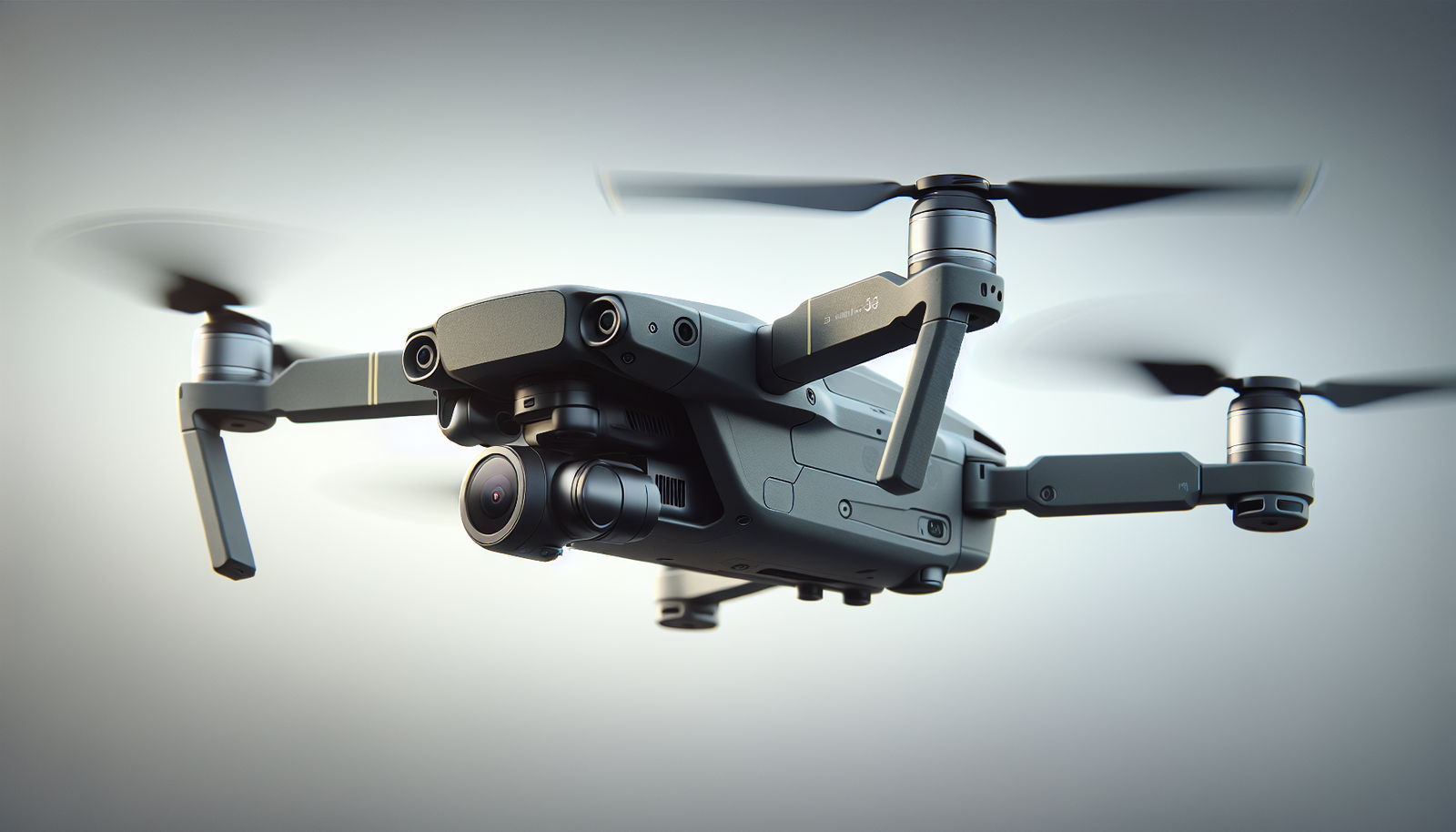
Are we ready to see what the DJI Mavic 3 Enterprise Thermal Advanced Drone Bundle can do for our professional workflows?

Overview
We find the DJI Mavic 3 Enterprise Thermal Advanced Drone Bundle to be a serious step up for teams that need long flight times, strong imaging performance, and thermal capability in one package. The bundle is aimed at professionals: inspection teams, emergency responders, surveyors, and utility crews who need reliable data collection and operational flexibility in the field.
What’s in the Bundle?
We like bundles that give us everything we need to operate quickly; this one typically includes the drone with its thermal module, an RC Pro Enterprise controller, batteries, chargers, spare propellers, and carrying solutions. Having integrated thermal imaging alongside a high-quality visual sensor makes this bundle a compact, mission-ready system for many enterprise tasks.
Key Specifications
We appreciate clear technical specs because they set expectations before we fly. Below is a concise breakdown of the most important technical details that define day-to-day performance and capabilities.
| Feature | Specification |
|---|---|
| Maximum Flight Time | Up to 45 minutes |
| Visual Sensor | 1/2″ CMOS |
| Still Resolution | 12 MP (primary), 48 MP (high-res) |
| Video Resolution | 4K |
| Thermal Capability | Thermal imaging (Advanced Thermal bundle) |
| Controller | RC Pro Enterprise controller |
| Wind Resistance | Up to 12 m/s |
| Transmission Range | Up to 15 km (FCC) |
| Ease of Use | Advanced sensing system, enterprise-focused controls |
| Durability | Sturdy construction for challenging conditions |
We find these numbers useful when planning sorties, setting coverage expectations, and matching the platform to specific missions.
Design and Build Quality
We notice right away that the build quality feels purposeful and professional, with a design that balances portability and durability. The materials and construction are tuned for enterprise use, where a tough day on the job is normal rather than exceptional.
Durability and Weather Resistance
We expect the bundle to handle tough conditions: the drone resists winds up to 12 m/s and has robust construction suitable for field work. While no small drone is indestructible, this model gives us confidence to operate in moderately challenging environments.
Portability and Form Factor
We’re able to transport this system without a large vehicle or a professional flight case; it’s compact enough for rapid deployment while still packing a full set of enterprise features. That balance makes it practical for teams that need to travel between sites frequently.
Flight Performance
We value flight performance that translates directly into better data collection and reduced mission costs. This drone’s flight envelope and control systems make it straightforward to collect the imagery and thermal data we need.
Battery Life and Extended Flight Time
We appreciate that the maximum flight time can reach up to 45 minutes, which is significant for a drone in this class. That extended endurance reduces the number of battery swaps and helps us cover larger areas or follow subjects for longer periods, improving operational efficiency.
Flight Stability and Wind Resistance
We rely on stable platforms for clear imagery and accurate thermal readings; the Mavic 3 Enterprise Thermal Advanced handles wind up to 12 m/s, which keeps data usable in breezier conditions. The advanced sensing system and flight control algorithms also contribute to smooth, reliable flight behavior, which is essential for inspections and mapping tasks.
Range and Transmission
The maximum transmission distance of up to 15 km (FCC) gives us broad operational reach for surveys and inspections across large sites. In practice, local regulations and environmental factors will influence usable range, but the underlying transmission capability provides flexibility for longer-range missions when permitted.
Camera and Imaging
We care about both visual and thermal data quality, because together they give us a fuller understanding of the scene. The combination of a high-quality visual sensor and thermal imaging opens many doors for inspections and situational awareness.
Thermal Imaging Capabilities
We find the Thermal Advanced designation valuable because thermal imaging adds a layer of information that visual cameras cannot provide. Thermal data helps us detect heat anomalies, identify equipment faults, locate people in low-visibility conditions, and prioritize follow-up inspections. For many enterprise users, thermal imaging is not a luxury but a necessity for fast, informed decision-making.
Visual Camera Quality
The 1/2″ CMOS sensor and multiple still resolution options (12 MP and 48 MP) provide crisp, detailed images, while 4K video captures motion-rich tasks with clarity. We benefit from high-resolution stills for detailed inspections and 4K video for operational documentation, training, and evidence collection.
Imaging in Low Light
We notice improved performance in lower light compared to smaller sensors, thanks to the 1/2″ sensor size. That means we can capture usable visual data closer to dawn and dusk than we could with smaller-sensor drones, which increases our operational window on long missions.
Controller and User Interface
We find the RC Pro Enterprise controller intuitive and built for professional workflows, with responsive controls and enterprise-grade features. Its ergonomics and screen (or compatibility with tablets and smart devices) help us stay focused on the mission rather than wrestling with settings.
Flight Controls and Precision
We appreciate the precise control the RC Pro Enterprise provides, which is especially important for inspection flights and when hovering near structures. The controller’s layout and feedback let us execute complex maneuvers more confidently and reduce the cognitive load during critical flights.
Display and Telemetry
The controller provides live telemetry and an easy-to-read display, allowing us to monitor battery, distance, signal strength, and sensor overlays in real time. Clear telemetry is essential for safe operations and for keeping stakeholders informed during missions.
Software and Data Workflow
We want software that moves data from acquisition to analysis with minimal friction, and this bundle integrates with tools that support common enterprise workflows. The combination of on-board hardware and desktop/cloud software options gives us choices for processing and sharing results.
Mission Planning and Mapping
We can plan automated flights to survey large areas, execute consistent inspection patterns, and collect data for mapping tasks. Automated mission planning improves repeatability and helps us acquire consistent datasets for change detection and longitudinal studies.
Thermal and Visual Data Integration
Combining thermal and visual imagery in the same workflow makes our reports more actionable. We can overlay thermal maps on visual imagery to provide context for anomalies, annotate findings, and export deliverables in formats accepted by clients and stakeholders.
Compatibility and Export Options
We typically export data to GIS, reporting tools, or cloud platforms for analysis; having standard export formats and SDK support simplifies integration with third-party analytics and asset-management systems. That enables us to use specialized software for things like photogrammetry, thermography analysis, and data archiving.
Practical Applications
We find the DJI Mavic 3 Enterprise Thermal Advanced Drone Bundle versatile across many sectors; its combined imaging capabilities and long flight times translate into real value for specific tasks. Below we outline common use cases and what we typically gain from the platform.
Infrastructure Inspection
We use thermal imaging to spot hotspots in electrical equipment, and the visual camera to document structural details. The flight time and stable hovering allow us to inspect tall or spread-out infrastructure efficiently.
Search and Rescue
In SAR scenarios, thermal capability helps locate people faster, while long range and endurance allow long-area coverage. Quick deployment and intuitive controls make it easier for teams to get up to speed during time-sensitive missions.
Firefighting and Incident Response
Thermal imaging helps us see active fire fronts and hidden hotspots, and the visual camera documents damage and access routes. This combination aids coordination between ground crews and command, improving safety and operational decisions.
Utilities and Energy Sector
For utilities, thermal imaging is essential for detecting overheating components and early-stage equipment failures. We can survey long stretches of power lines or large solar arrays more efficiently with the 45-minute flight time and extended transmission range.
Building Envelope and Roofing Inspections
Thermal imaging helps identify insulation gaps, moisture intrusion, and heat loss that are invisible in visible light. The visual camera documents construction details and defects that require repair, giving clients clear evidence for remediation.
Surveying and Mapping
We can use automated flight patterns and the 4K/48 MP capability for high-resolution mapping and orthomosaic generation. While the Mavic 3 Enterprise Thermal Advanced is not a substitute for larger photogrammetry-specific platforms in every case, it does a strong job for many site-survey needs.
Setup and Field Operation
We prefer systems that let us get airborne quickly while maintaining safety and data quality, and this bundle supports streamlined field operations. Clear pre-flight checks, fast battery swaps, and intuitive controls help us minimize downtime.
Pre-flight Checklist
We follow a disciplined checklist—battery levels, prop condition, GPS lock, sensor status, and firmware updates—so that we avoid surprises mid-mission. The platform’s telemetry and clear controller feedback help us confirm readiness at a glance.
Deploying Thermal Missions
We typically plan thermal flights during conditions that maximize thermal contrast (early morning or late evening for some targets), and we configure image capture intervals and flight height to get the needed resolution. Thermal surveys require attention to emissivity and environmental factors; we prepare by documenting conditions and parameters for accurate interpretation.
Batteries and Swap Procedure
Extended flight time reduces swap frequency, but we still carry spare batteries for multi-site work. We manage battery rotation, storage, and charging logistics so that we can maintain continuous operations across a full day of missions.
Maintenance and Support
We take a practical approach to maintenance: routine checks, firmware management, and keeping spare parts on hand to minimize mission interruptions. The drone’s robust build reduces frequent repairs, but predictable maintenance extends the platform’s service life.
Routine Maintenance Tasks
We inspect propellers for nicks, clean sensors and gimbals, and monitor firmware updates to ensure system stability. Regular maintenance reduces the risk of in-flight failures and preserves data quality.
Spare Parts and Repairs
We keep spare propellers, extra batteries, and a basic tool kit with us in the field. For larger repairs, we rely on manufacturer support channels or certified service centers to maintain warranty coverage and ensure proper component replacement.
Safety, Regulations, and Compliance
We approach safety and compliance as core aspects of our operations, not optional steps. Local and national regulations dictate how we fly—line of sight, height limits, and permissions for certain missions—and we plan our flights accordingly.
Legal Considerations
We must follow local drone regulations, which may restrict maximum range, require pilot certification, or demand authorizations for beyond-visual-line-of-sight (BVLOS) operations. We keep records of flights and relevant permissions to demonstrate compliance when necessary.
Operational Safety Practices
We use pre-flight risk assessments, maintain situational awareness, and set geofences when operating near restricted areas. Redundancy in planning—for example, having spare batteries and contingency landing zones—reduces mission risk and helps protect equipment and people.
Comparison with Alternatives
We like to compare platforms to ensure we select the right tool for the job; this bundle sits between consumer-focused Mavic models and larger industrial platforms like the Matrice series. It offers much of the enterprise functionality we need while keeping size, cost, and complexity lower than larger systems.
Compared to Consumer Mavic Models
Compared to consumer Mavic drones, we gain extended flight time, superior imaging, thermal capability, and an enterprise controller—features that justify the price for professional use. Consumer models are great for hobbyists, but they lack the robust thermal and enterprise-grade features we rely on.
Compared to Larger Enterprise Platforms
Larger platforms may offer heavier payloads, redundancy, and specialized sensors, but they require more logistics and cost more to operate. We find the Mavic 3 Enterprise Thermal Advanced bundle to be an efficient compromise for many commercial tasks—portable, capable, and easier to integrate into routine operations.
Pros and Cons
We weigh strengths and trade-offs to make balanced recommendations. Here’s a concise list to help decide whether this bundle fits our operational needs.
Pros:
- Up to 45-minute flight time reduces battery swaps and increases area coverage.
- 1/2″ CMOS with 12 MP/48 MP stills and 4K video delivers high-quality visual data.
- Thermal imaging capability adds actionable thermal insights for inspections and SAR missions.
- RC Pro Enterprise controller and advanced sensing system make flight control intuitive and precise.
- Robust build and wind resistance (up to 12 m/s) make it reliable in varied conditions.
- Up to 15 km transmission range supports longer-range missions where regulations permit.
Cons:
- Thermal-specific specifications (resolution and radiometric accuracy) vary by configuration; we should verify exact thermal sensor specs for precise requirements.
- Regulatory and operational limits (line-of-sight, BVLOS) may constrain usable transmission range in many regions.
- While highly capable, it is not a replacement for larger, multi-sensor industrial platforms in heavy-lift or highly redundant missions.
- Operating at scale still requires planning for battery logistics, spare parts, and trained pilots.
Who Should Buy It?
We recommend the DJI Mavic 3 Enterprise Thermal Advanced Drone Bundle for teams that need a portable, capable, thermal-enabled system without the footprint and cost of larger industrial drones. It’s a strong fit for inspection firms, emergency services, utilities, and survey teams that value long flight times and high-quality visual and thermal data.
When to Consider Other Options
If our missions demand heavy payloads, multiple sensor integration, or mission-critical redundancy, we might look at larger enterprise platforms. Similarly, if we require specific thermal sensor metrics for scientific or calibration-sensitive work, we should confirm sensor specs or consider specialized thermal aircraft.
Pricing and Value
We assess value based on how easily the platform pays for itself through increased efficiency and reduced operational time. The bundle’s extended flight time and integrated thermal capability can translate to fewer flights, faster inspections, and faster decision-making—key factors in return on investment for many organizations.
What Drives Cost
The primary cost drivers are the drone platform, thermal sensor, RC Pro Enterprise controller, and enterprise software or support packages. We also account for training, spare parts, and data-processing software when evaluating total cost of ownership.
Real-World Tips from Our Experience
We’ve learned practical lessons from using similar systems that help teams get the most out of this bundle.
- Plan thermal surveys according to thermal contrast for best results; environmental conditions affect interpretation.
- Use automated flight plans for repeatable data capture and consistent datasets.
- Maintain a battery charging and rotation schedule to maximize flight availability and battery life.
- Keep firmware up to date but validate updates against mission-critical workflows before rolling them out across an entire fleet.
- Invest in training for pilots and data analysts so that captured data becomes actionable intelligence quickly.
Data Security and Privacy Considerations
We treat data security seriously, because sensitive imagery and location data can be misused. We follow best practices for secure storage, encrypted transfers, and access controls when handling mission data.
Handling Sensitive Data
We restrict access to imagery and export data only to authorized personnel, anonymize or redact sensitive elements when required, and follow client or legal requirements for data retention and deletion. Maintaining clear data policies helps protect our teams and our clients.

Integration with Team Workflows
We make sure new equipment integrates smoothly with existing operations by defining roles, responsibilities, and standard operating procedures. That way the drone becomes a force-multiplier rather than another piece of gear to manage.
Training and SOPs
We develop training programs for pilots and analysts and document standard operating procedures for mission planning, execution, and reporting. Consistent procedures reduce errors and improve the quality and repeatability of mission outputs.
Final Verdict
We see the DJI Mavic 3 Enterprise Thermal Advanced Drone Bundle as a compelling choice for professionals who need long endurance, high-quality visual imaging, and integrated thermal capability in a single, portable package. Its combination of flight time, imaging performance, and enterprise features make it a practical platform for many inspection, emergency response, and surveying tasks.
Our Recommendation
If our operations demand reliable thermal data, extended flight durations, and an enterprise-grade controller while maintaining portability and cost-effectiveness, this bundle is worth strong consideration. We recommend verifying thermal sensor performance details against mission requirements and ensuring compliance with local regulations before purchase, but overall it represents an excellent balance of capability and usability for professional teams.

Disclosure: As an Amazon Associate, I earn from qualifying purchases.