

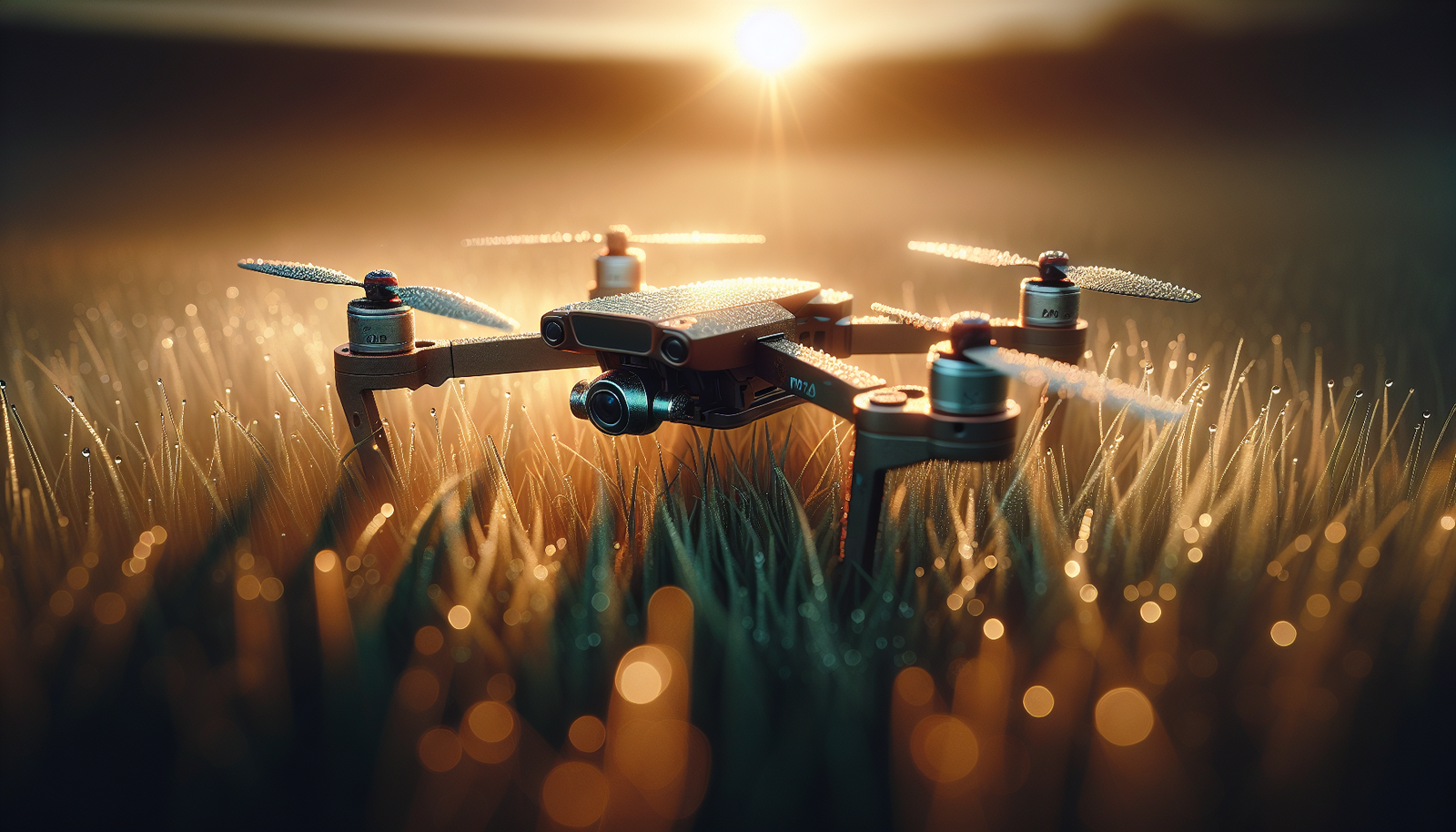
? Has he ever smiled at a screen while a small machine refused to obey him?
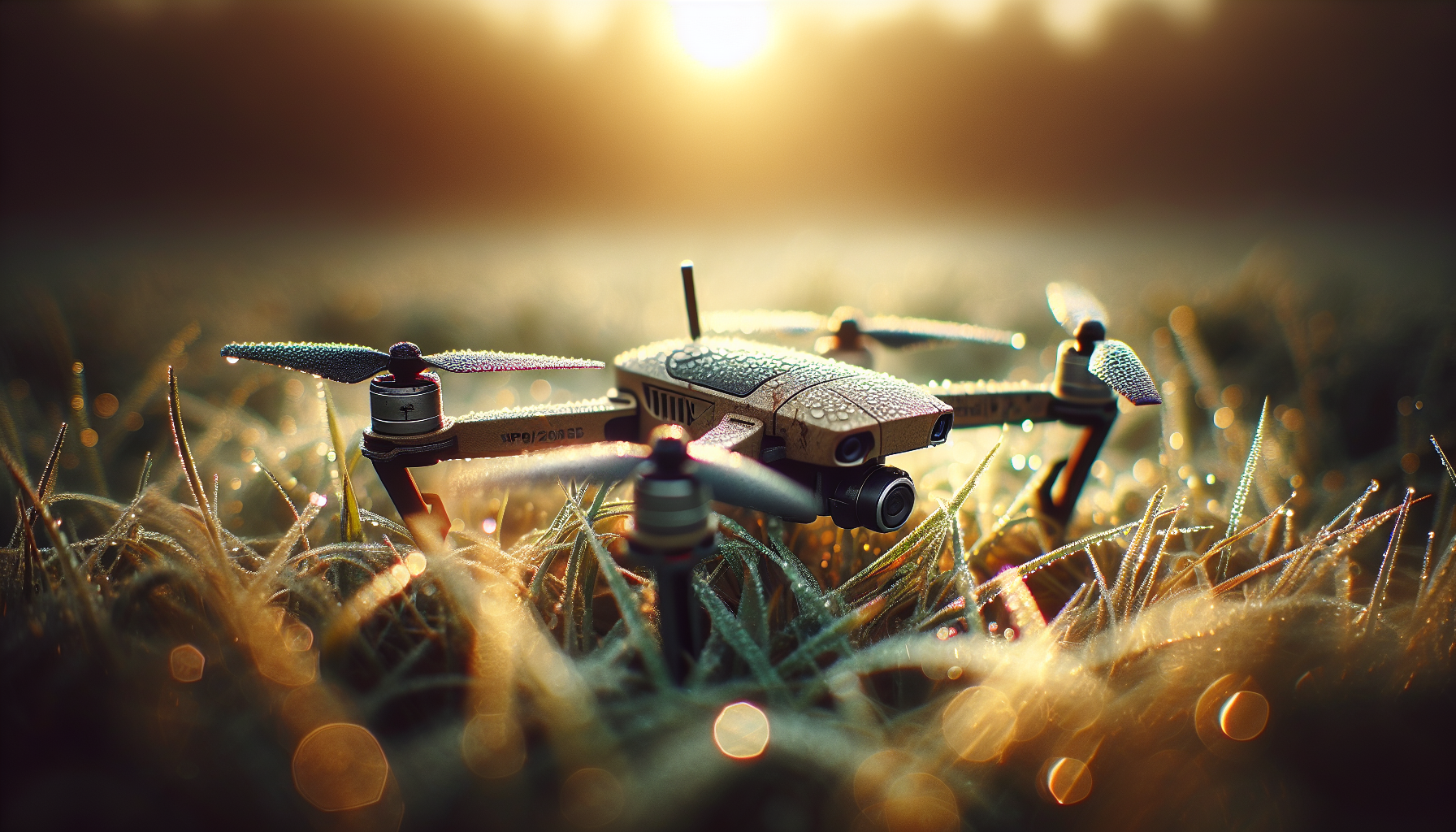
FPV drones teach him humility
He bought a tiny quadcopter and strapped a camera to its nose. He hoped for smooth flights and cinematic shots. He found wires, noise, and a pile of broken props. He learned to laugh at his mistakes. He learned humility.
What FPV means in plain terms
He put a camera on a small drone. He used goggles to see through that camera. He flew the drone as if he sat inside it. He lost the drone from view and kept flying by sight from the goggles. He felt close to the machine and far from control.
Why FPV feels different from other hobbies
He watched a screen that showed motion without his full body. He felt present and strangely helpless. He could not lean with his body or reach out. The drone moved fast. The drone did not care for his plans. He understood that skill takes time.
A short story about first flights
He went to a field near his house. He charged the battery and held the controller. He hovered the drone lightly above grass. He smiled at his success. He pushed the stick to go forward and the drone flipped into a tree. He stood under the tree and looked up. He felt small. He laughed and called a friend for help. The friend climbed and retrieved the drone. The friend shook his head and said nothing. The friend had flown for years. He felt a new kind of respect for the friend’s calm.
How FPV teaches technical humility
He learned that parts fail. He learned that propellers break. He learned that solder joints crack. He learned that a tiny amount of vibration can ruin a video. He learned that a bad setting makes the drone spin away. He learned that a wrong cable connection stops motors. He worked through each failure. He built patience into his routine.
The reality of components
He bought a flight controller and a set of motors. He plugged wires and flashed firmware. He read posts and followed advice. He tightened screws and swapped propellers. He found a loose connector. He fixed it and tested again. He realized that small parts cause big problems.
Firmware and configuration in plain language
He updated firmware. He opened a configuration tool and moved sliders. He measured values and adjusted gains. He made a change and watched the drone twitch. He reversed the change and tried a smaller one. He learned to save a backup file. He learned to ask for advice before larger changes.
The cost of overconfidence
He believed he could fly after a few hours. He pressed sticks with speed. He broke parts and embarrassed himself in front of onlookers. He bought newer parts and tried again. He said simple prayers over solder joints. He learned to respect how the drone reacts.
Safety, etiquette, and community rules
He found a club at a nearby park. He read the club rules and followed them. He kept distance from people and cars. He turned off motors near crowds. He checked local laws and followed them. He learned that other people matter. He learned that care protects his hobby.
Simple flight checklist
He made a checklist that he used each time. He charged batteries. He inspected props. He checked radio bind. He confirmed failsafe. He tightened screws. He strapped on his goggles last. He kept the checklist on his phone.
How he practiced with a simulator
He bought a simulator on his computer. He connected his controller to the computer. He trained in the simulator before he flew outside. He avoided many crashes by practicing in fake fields. He practiced hovering, turning, and landing. He learned that practice in quiet spaces builds real skill.
Flight skills in steps
He divided skills into clear tasks. He practiced one task until he could do it cleanly. He then added the next task. He found that stepwise practice reduced fear.
Hover and trim
He hovered and practiced holding the position. He watched the horizon line and kept the throttle steady. He adjusted trim to stop drift. He repeated this until hovering felt calm.
Straight flight and turns
He flew straight runs between two points. He kept speed steady and aimed the camera. He worked on smooth turns. He slowed before tight turns. He punished jerky movements by landing and restarting.
Low passes and lines
He practiced low passes over grass and between trees. He set simple routes and followed them. He learned to trust the perch of the drone and the view in the goggles. He started slow and increased speed.
Recovery and failsafe practice
He cut throttle on purpose in the simulator. He practiced regaining control. He set the failsafe to cut motors at a safe altitude. He practiced bringing the drone back when the signal dropped. He found that calm saved crashes.
Common mistakes and fixes (quick table)
| Mistake | Symptom | Fix |
|---|---|---|
| Unbalanced props | Vibration in video and twitching | Balance props or replace them |
| Loose motor screws | Motor wobble, noise | Tighten screws, use threadlocker |
| Wrong motor direction | Strange rolling or spinning | Swap two motor wires or change motor direction in settings |
| Bad antenna placement | Weak video and frequent dropouts | Reorient or move antenna away from carbon parts |
| Incorrect gyro/filter settings | Oscillations or wobble | Lower PID gains or adjust filter settings |
| Low battery voltage | Sudden loss of power | Replace battery or stop flying earlier |
| No GPS lock (if used) | Unreliable hold and return | Wait for a proper lock before takeoff |
Gear checklist with purpose
| Item | Purpose |
|---|---|
| Frame | Holds parts together |
| Motors | Produce thrust |
| ESCs (speed controllers) | Control motor speed |
| Flight controller | Runs the flight software |
| Receiver | Gets commands from the radio |
| Props | Create lift |
| Battery | Provides power |
| Camera | Sends the view to the pilot |
| VTX (video transmitter) | Broadcasts video to goggles |
| Antennas | Improve video link range |
| Goggles | Give pilot first-person view |
| Radio controller | Send commands to the drone |
| Tools kit | Fasten and fix parts |
He kept this table as a quick reference. He used it before each flight. He taped a small version of it to his box.
Repair basics anyone can do
He learned to replace props in minutes. He learned to resolder loose wires. He learned to change motors and clean bearings. He learned to replace a camera lens. He kept spare screws in a small jar. He labeled parts in a box and he wrote notes on small pieces of tape.
Soldering the simple joints
He bought a cheap soldering iron and an example board. He practiced on scrap wire. He learned to tin wires and heat pads. He held wire and pad together and added a drop of solder. He let the joint cool. He tested for connection. He learned to keep the iron clean.
Fixing a broken arm or frame
He found cheap frames made of plastic or carbon. He ordered spare arms. He removed the broken arm, fitted the new one, and tightened screws. He checked that the motors sat level. He rebalanced the drone and tested.
Troubleshooting common flight problems
He kept a log of flight problems. He wrote symptoms and fixes. He looked for patterns. He checked logs from the flight controller and read error codes. He took photos of wiring to avoid mistakes when reassembling.
Oscillations and vibration
He felt small shakes in the craft. He balanced props and tightened motor screws. He checked for loose parts on the frame. He added small foam under the camera if the video showed vibration. He replaced bent shafts.
Power issues and sudden drops
He noticed the drone losing power fast. He checked battery voltage and the VTX current draw. He kept spare batteries on hand. He replaced old cells. He learned to land early if the battery dropped fast.
Video dropouts and static
He had static in the video and then a full blackout. He moved antennas away from carbon fiber parts. He tried new antennas and adjusted power levels. He used channels with less interference. He kept his setup tidy to avoid loose connectors.
Legal and local rules in short
He followed local laws. He registered the drone where required. He checked flying limits and no-fly zones. He kept the drone in sight unless rules allowed FPV with a spotter. He respected privacy and other people.
How humility appears in everyday practice
He learned to accept that good flights require small steps. He learned to carry extra batteries and tools. He learned to listen to other pilots. He learned to set ego aside at meets. He learned to applaud others’ flights. He felt better when he shared tips.
Examples of humility in action
He let another pilot use his replacement motor. He admitted when he misread a setting. He thanked a stranger who retrieved a downed drone. He cheered even when the other pilot beat him. He found the hobby more fun and less tense.
Social lessons from group flying
He joined a local meet and listened. He watched experienced pilots take slow lines with calm control. He asked questions and took notes. He offered to help and he took help without pride. He found that the group raised his skill.
Spotter roles and teamwork
He served as a spotter at first. He watched the drone and checked for people nearby. He called out warnings to the pilot. He learned to communicate with short, clear words. He learned that teamwork reduced accidents.
The emotional arc of learning FPV
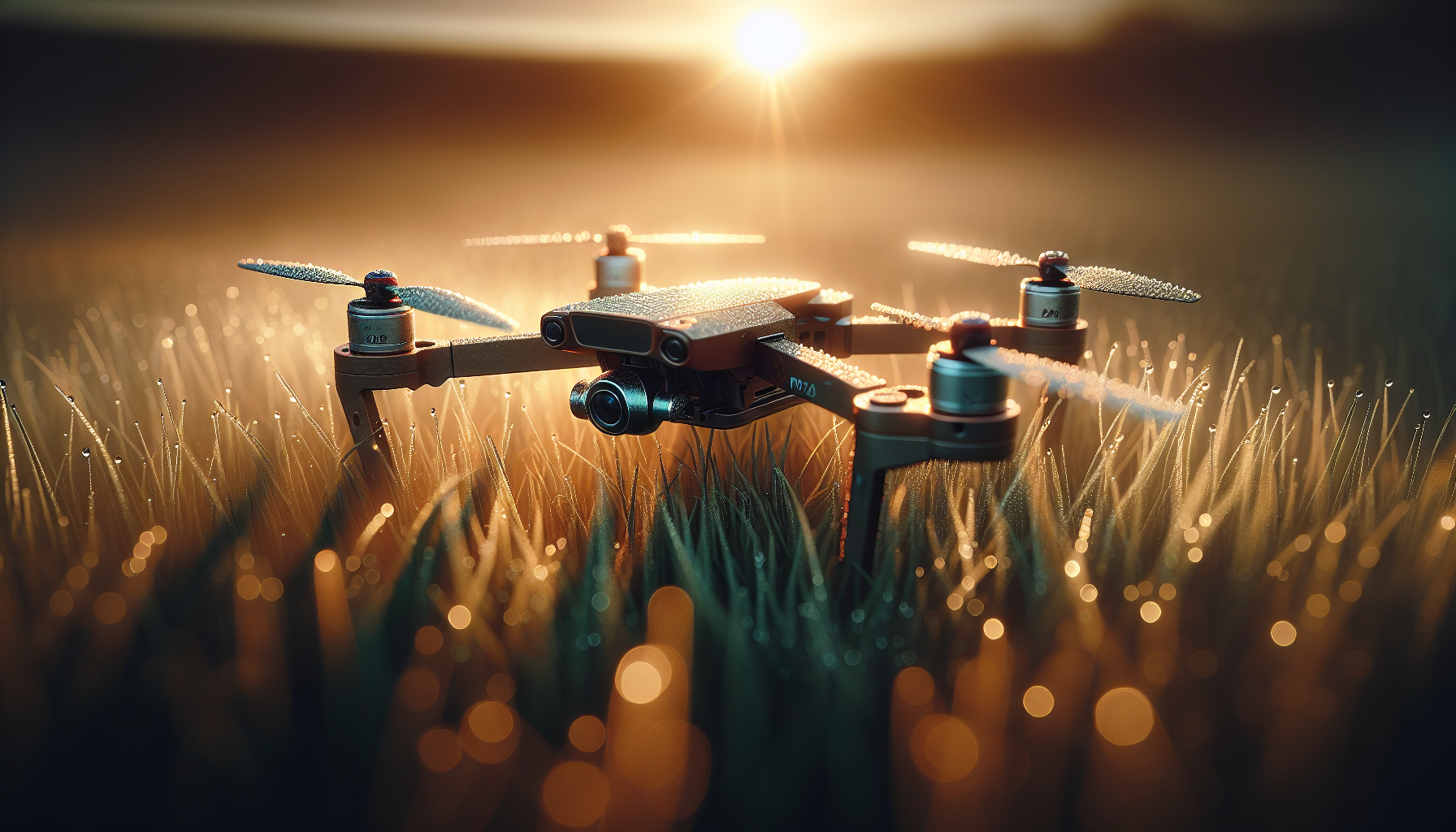
He felt excitement during the first flights. He felt shame after the first crash. He felt relief when repairs worked. He felt pride when a smooth line came together. He felt humility when a wind gust ruined a perfect pass. He learned to accept the ups and downs.
How failures teach concrete skills
He broke a camera mount and learned about torque. He burned an ESC and learned about current draw. He ruined a prop and learned about balance. He recorded each failure in a notebook. He looked back and found patterns. He used those patterns to avoid repeat errors.
Tuning and flight controllers in simple terms
He opened a tuning tool and saw many values. He changed one small value and he watched the drone react. He returned to an older saved value when the change went wrong. He learned to test small steps and he learned to write notes.
Why small changes matter
He changed a number by ten units and the drone began to oscillate. He changed by two units and the drone became calm. He tested slow and steady. He stopped guessing and he started measuring.
Photography and video basics for FPV
He aimed the camera for clearer shots. He adjusted exposure and white balance. He removed shaky footage by fixing balance and dampers. He planned a shot and he flew the line a few times. He trimmed throttle and kept steady angles.
How he learned to frame a pass
He picked a subject and planned a path. He rehearsed with the simulator. He flew the path at low speed and then increased speed. He checked footage and made small adjustments. He learned to expect imperfect takes and he learned to keep trying.
Budgeting and spending wisely
He balanced desire for the newest gear with the need to learn basics. He bought a mid-range frame and used spare parts. He avoided impulse buys after a single crash. He planned upgrades with clear reasons. He kept a ledger for parts to track costs.
A short list of helpful habits
- He charged batteries in a fire-safe bag.
- He carried spare props and tools.
- He took photos of wiring before disassembly.
- He logged each flight with time, conditions, and battery usage.
- He colored code parts with small stickers to avoid mix-ups.
Each habit helped him feel secure. Each habit helped him avoid repeat errors.
A few humorous failures that taught him more than pride
He once misread a bind button and launched the drone toward a picnic. He apologized and bought the group a pizza. He set the drone upside down on a runway and wondered why it would not lift. He learned to check motor direction. He once watched a drone drift into a row of lawn flamingos. He landed, picked up a feathered decoration, and he laughed until his cheeks hurt. He learned that humor helps.
Why humility matters beyond flying
He treated other parts of life like repairs. He fixed a leaky sink with calm hands. He admitted mistakes at work and he learned faster from feedback. He listened more in meetings. He found that practice, patience, and the willingness to fail made him better at other tasks.
How to show humility and grow skill
He accepted help and he passed help on. He asked questions in groups. He trained with a plan. He saved configurations and he shared settings. He returned to the field with a humble heart and a small tool bag.
A simple progression plan for new pilots
- Buy a simulator and learn basic controls.
- Buy a beginner-friendly drone or a durable micro frame.
- Practice hovering and straight flights in open fields.
- Learn basic repairs and soldering.
- Join a local group and fly with a spotter.
- Learn to tune small changes and save backups.
- Move to advanced frames and camera setups when comfortable.
He followed a plan like this and he avoided a lot of frustration. He tested steps and he adjusted timing to match his progress.
Final reflections on humility and a small machine
He started because he wanted thrilling footage and slick moves. He ended with more practical gifts. He grew quieter when a gust took the drone. He grew careful when he tightened screws. He learned to accept that small machines teach large lessons. He learned that skill arrives after many small failures. He learned that the hobby rewards patience and common sense.
He still feels a spark when he powers up the drone. He still tastes fear before a high-speed pass. He still laughs with other pilots when something breaks. He now holds tools and batteries with a calmer heart. He now tells new pilots to check their props and to ask questions. He now carries an extra prop or two in his pocket.
He flies with less pride and more joy. He lands, inspects parts, and writes notes. He smiles when a flight goes well and he writes down what went right. He continues to learn. He welcomes the next crash because he knows each crash will teach one clear lesson.
Resources he uses and recommends
- A reliable simulator for practice.
- A basic soldering kit and practice boards.
- A small tool kit with hex drivers and pliers.
- A field checklist saved on his phone.
- Local clubs or online forums for fast answers.
He chooses resources that match his level. He uses them until he masters them and then he moves on.
Closing thought
He looks at his collection of parts and he does not see junk. He sees lessons. He sees small monuments to error and repair. He thinks of the first flight and he smiles. He keeps flying and he keeps learning. He lets the drone teach him humility one broken prop at a time.