

? Have we ever felt watched by a machine high above a stand of trees?
Forest monitoring drones watch trees like nosy relatives
Introduction
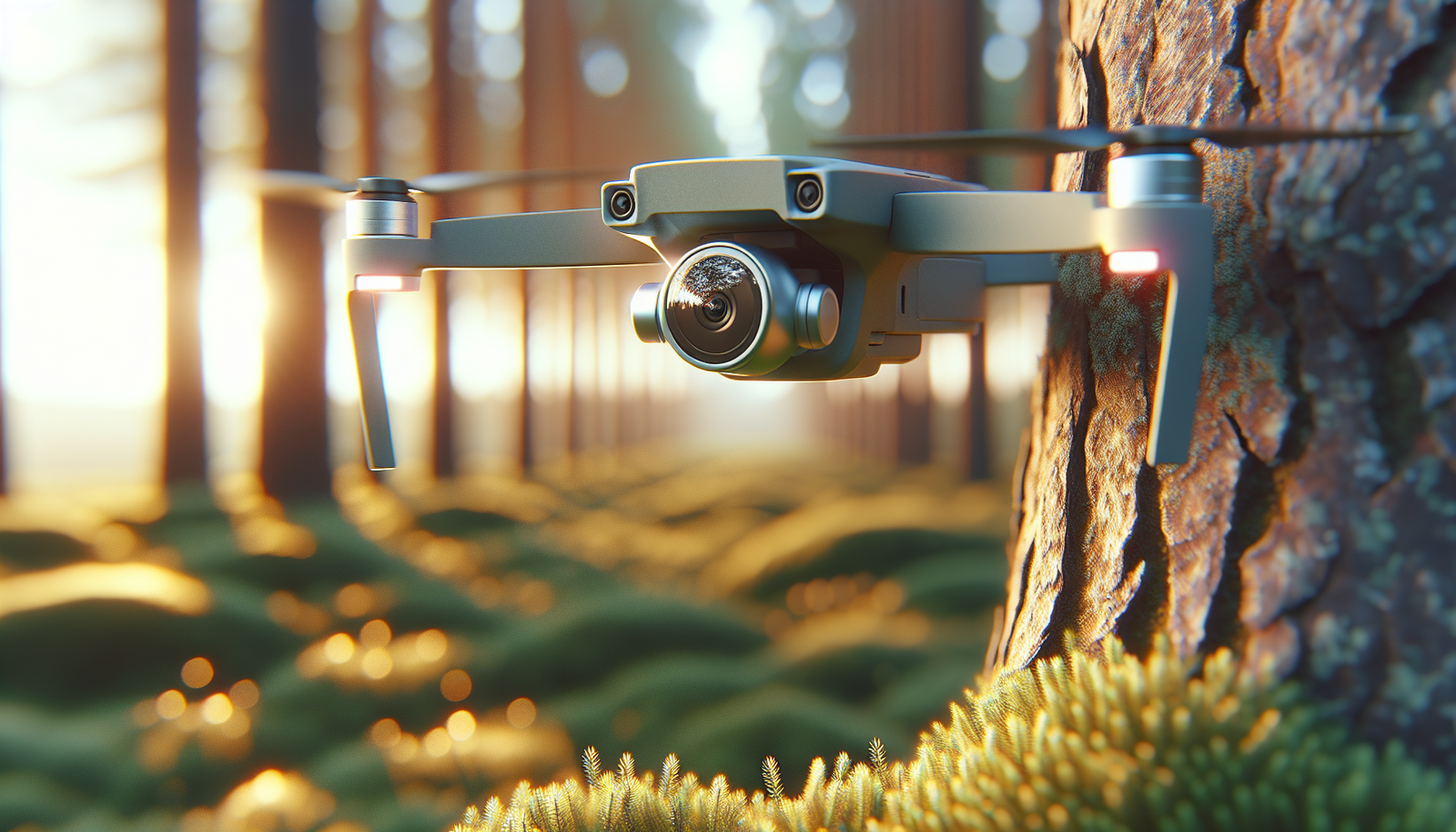
We find this image oddly funny and true. We use drones to fly slow, keep records, and return to tell us what they saw. We write this piece to explain how those machines work and why they matter to forests.
Why we call them “nosy relatives”
We check trees often and closely. We use drones to look at leaves, bark, and branches in ways that feel private. We watch patterns of change and we note small signs that humans can miss.
What are forest monitoring drones?
We call a drone an unmanned aerial vehicle that carries sensors. We use drones to collect visual, thermal, and range data. We fly them over forest plots on regular schedules.
Types of drones used
We choose drones based on mission needs. We use three main types for forests. The table below compares them.
| Type | Main features | Best use |
|---|---|---|
| Multirotor | Hover, slow, precise shots | Small plots, tree-level detail |
| Fixed-wing | Long range, high speed | Large areas, mapping |
| VTOL hybrid | Vertical takeoff and range | Medium areas with limited launch space |
We pick multirotors for detailed inspection. We choose fixed-wing for surveys of large tracts. We select VTOL when we need both.
Sensors and payloads
We attach sensors to capture different signals. We match sensors to the questions we want to answer.
| Sensor | What it measures | Typical use |
|---|---|---|
| RGB camera | Color images | Visual health and structure |
| Multispectral camera | Specific bands like red and near-infrared | Vegetation indices and stress |
| Hyperspectral sensor | Many narrow bands | Species ID and disease detection |
| LiDAR | Distance to surfaces | Canopy height and structure |
| Thermal camera | Surface temperature | Fire hotspots and tree stress |
| Acoustic sensor | Sound recordings | Wildlife and machinery detection |
We pair a sensor with a drone based on weight and power. We plan the payload to keep flight time reasonable.
How drones collect data
We plan a route before each flight. We set altitude, speed, and overlap. We follow a grid or transect pattern for maps. We take photos in a pattern that the software can stitch. We log GPS and sensor data for each shot.
We keep a strict pre-flight checklist. We check batteries, propellers, and GPS lock. We confirm permissions and flight schedules. We record weather and light conditions.
Flight parameters that matter
We set altitude to control resolution. We set overlap to ensure coverage. We set speed to balance motion blur and battery life. We choose time of day to reduce shadows. We repeat flights on a set schedule to track change.
Data processing and analysis
We move raw files from the drone to a workstation or cloud. We run image alignment to make mosaics. We create orthomosaics and 3D point clouds. We compute indices like NDVI to show green health. We train models to spot pests, dead trees, and canopy gaps.
We check data quality at each step. We correct for lens distortion and lighting. We georeference data to maps and to prior surveys.
Common processing steps
We import images and logs. We run photogrammetry to make orthomosaics. We filter LiDAR returns to separate ground and canopy. We run machine learning to label features. We export maps and reports for field teams.
Use cases
We use drones for many practical tasks. The sections below show common uses and what we gain.
Forest health and disease detection
We fly drones to spot discolored crowns and defoliation. We measure canopy reflectance to flag stress. We help foresters find early signs of disease and pest outbreaks.
Wildfire monitoring and early detection
We fly thermal sensors to spot hot spots and smoldering fires. We map burned areas after a fire. We help fire teams plan safe routes and stage assets.
Illegal logging and patrols
We monitor remote areas to detect roads, clearings, and machines. We use frequent flights to catch new activity quickly. We provide evidence that agencies can use to act.
Biodiversity and wildlife surveys
We use quiet multirotors for nest and species surveys in open areas. We collect images and sounds to count animals and track movements. We limit disturbance by flying at safe distances and times.
Carbon stock estimation
We use LiDAR and photogrammetry to estimate tree height and volume. We convert those measures to biomass and carbon estimates. We help projects report on carbon stocks for finance and planning.
Restoration monitoring
We track planted areas to measure survival and growth. We compare before-and-after images to show change. We help managers adjust practices based on data.
Operational workflow
We follow a clear workflow to run a monitoring program. The table below lays out the steps and typical tasks.
| Step | Tasks |
|---|---|
| Planning | Define goals, choose sensors, get permits |
| Flight prep | Charge batteries, check gear, set flight plan |
| Data collection | Fly, log data, take notes on conditions |
| Transfer | Move data to server or cloud, backup |
| Processing | Stitch images, build point clouds, compute indices |
| Analysis | Run models, spot changes, classify features |
| Reporting | Make maps, write summaries, send alerts |
| Action | Share results with managers and field teams |
We keep a record of every mission. We keep raw data and processed outputs for audit and verification.
Benefits of drone monitoring
We list key benefits to show value.
- We get high-resolution data at low cost per hectare.
- We detect change sooner than ground surveys alone.
- We reduce risk for field crews by sending machines into unsafe areas.
- We scale surveys faster than humans can walk.
We save time and money by using repeatable, automated workflows. We gather evidence that helps us make better decisions.
Challenges and limitations
We face technical and social limits. We list the main ones here.
Battery life and coverage
We fly until the battery drops. We plan missions to match battery constraints. We use fixed-wing drones to cover large areas in a single flight.
Canopy cover and visibility
We may not see under dense canopy with cameras. We use LiDAR to measure structure in those cases. We accept some limits on understorey detection.
Weather and light
We avoid strong wind and heavy rain. We schedule flights for clear light to reduce shadows and glare. We accept that weather can delay monitoring.
Data volume and storage
We collect large files that need storage and processing. We plan budgets for cloud or local servers. We automate backups to avoid loss.
Cost and training
We buy hardware and software and we train teams. We plan for maintenance and repairs. We estimate costs for sensors, pilots, and analysis.
Privacy and social concerns
We cause worry when we fly near people or homes. We communicate with local communities and stakeholders. We follow laws and get permissions.
Regulations and ethics
We respect laws for airspace and data use. We obtain permits for flights over protected areas. We follow privacy rules and consent practices. We consult with local groups and landowners before we fly. We aim to minimize disturbance to wildlife and people.
Data ownership and sharing
We set clear rules for who owns the data. We store metadata that records who collected the data and when. We share processed outputs with partners under agreed terms.
Cost breakdown and scaling
We separate cost into hardware, operations, and analysis. The table below shows typical ranges for a small to medium program.
| Cost item | Typical range (USD) |
|---|---|
| Drone hardware | 1,000 – 30,000 |
| Sensors | 500 – 100,000 |
| Training and certification | 500 – 5,000 |
| Software and cloud | 100 – 2,000/month |
| Field ops per day | 100 – 1,000 |
| Data processing per mission | 10 – 500 |
We estimate start-up costs and per-survey costs. We plan scale by adding pilots, drones, or sensors as needed.
Case studies
We describe a few projects so we can see real use.
Case study 1: Early pest detection in a temperate forest
We flew a multispectral drone every two weeks. We mapped a 200-hectare stand and tracked NDVI across time. We found a small patch of decline before visible dieback. We alerted foresters and they applied targeted treatment. We saw recovery in follow-up flights.
Case study 2: Post-fire mapping in a boreal region
We deployed fixed-wing drones after a wildfire. We made orthomosaics and thermal maps the same day. We helped crews find hotspots and assess road safety. We used the maps to plan salvage logging and to map erosion risk.
Case study 3: Illegal logging surveillance in a tropical forest
We used a combination of regular flights and anomaly detection on imagery. We trained a model to flag new clearings and road creation. We shared evidence with enforcement teams. We helped reduce illegal activity in monitored zones by increasing detection and response speed.
Choosing the right drone and sensor
We pick tools based on goals, area size, and budget. The steps below guide choice.
- We define the question we want to answer.
- We select the sensor that can measure the needed signal.
- We choose a drone that can carry that sensor and reach the area.
- We estimate flight time and mission count.
- We plan for data storage and analysis.
We test a setup in a small area before scaling up.
Data analysis methods we use
We use many techniques to turn raw data into insight.
- Photogrammetry to make maps from photos.
- LiDAR processing to build 3D models.
- Vegetation indices to highlight stress.
- Change detection to find new gaps or growth.
- Machine learning to classify species or damage.
We validate models with ground truth. We use simple metrics like precision and recall to judge performance.
Integrating drone data with other sources
We combine drone data with satellite images, field plots, and weather data. We align datasets by time and space. We use drone data to add detail to coarser satellite data. We calibrate drone-derived measures with field measurements to improve accuracy.
Practical tips for field teams
We keep these habits to run safer and better programs.
- We create a checklist and follow it.
- We log every flight with notes on weather and anomalies.
- We label files with dates and plots clearly.
- We keep spare batteries and parts in the field.
- We run a quick processing pipeline after each mission to spot issues early.
We train local teams to operate and maintain equipment. We include community members when possible.
How we handle large datasets
We compress and archive raw files. We use cloud services for heavy processing and we use local storage for fast access. We divide large areas into tiles to parallelize work. We log metadata for every file so we can trace results back to flights and sensors.
Machine learning models in forest monitoring
We train models to detect trees, classify species, and spot damage. We label training data with clear rules. We split data into training and test sets. We measure model performance and we retrain models when performance drops. We set thresholds that reduce false alarms in operational use.
Ethical issues we consider
We ask who benefits from the data. We ask who may be exposed or harmed by the data. We obtain informed consent when we fly near homes or work with private land. We avoid publishing exact locations of sensitive species or indigenous sites. We weigh the public good of rapid detection against the risk of misuse.
Community engagement and trust
We meet with local groups before we begin flights. We explain what we will collect and why. We build simple agreements on data use and sharing. We update communities with findings in clear language. We respect local knowledge and we include local experts in analysis when they want to take part.
Common mistakes and how we avoid them
We list frequent errors and solutions.
- Mistake: Poor geotagging. Solution: Check GPS on ground control points.
- Mistake: Low overlap in images. Solution: Increase overlap in plan.
- Mistake: Wrong sensor for task. Solution: Run small pilot missions first.
- Mistake: No backups. Solution: Automate two backups to separate locations.
- Mistake: Ignoring local rules. Solution: Confirm regulations and permissions before each flight.
We learn from each mission and improve the next plan.
Future trends we watch
We watch a few trends that will shape monitoring.
- Onboard processing that reduces data sent to base.
- Smaller, cheaper sensors that still provide useful signals.
- Swarms that work together to map large areas faster.
- Better models that need less labeled data.
- Integration with satellites for persistent monitoring.
We keep an open eye on tools that lower costs and increase access for smaller groups.
Frequently asked questions
We answer short, practical questions that users ask often.
Q: How often should we fly?
A: We set frequency based on goals. For health monitoring we fly monthly or biweekly. For fire risk we fly daily or on alert.
Q: How high should we fly?
A: We set altitude to match the resolution we need. We fly lower for tree-level detail and higher for broad mapping.
Q: Can drones replace ground surveys?
A: We use drones to supplement ground work. We keep ground plots for calibration and species checks.
Q: How do we keep wildlife safe?
A: We keep distance and use quiet flight paths. We choose times that reduce stress on animals.
Q: How do we store and secure data?
A: We encrypt sensitive files and we set access controls. We archive raw data for audit.
Metrics we use to measure success
We measure detection rate, false alarm rate, area covered per day, and cost per hectare. We also measure response time from detection to action. We track stakeholder satisfaction and ecological outcomes such as mortality reduction or recovery.
Building a monitoring program step by step
We outline a simple roadmap to start a program.
- Define goals and success metrics.
- Pilot with one drone and sensor set.
- Develop a processing pipeline and archive policy.
- Train staff and local partners.
- Scale by adding drones and automating analysis.
- Review and adapt based on results.
We keep the program flexible and we set small, measurable goals.
Partnerships and funding
We find partners in research, government, and NGOs to share costs and expertise. We apply for grants and for contracts that pay for monitoring. We show clear metrics to justify funding. We make data accessible to partners on agreed terms.
Measuring impact
We link drone findings to on-the-ground outcomes. We measure how many detections led to action. We measure forest condition changes over time. We report these figures to funders and communities.
Technical standards and interoperability
We choose formats like GeoTIFF and LAS for wide compatibility. We include metadata that follows common standards. We aim for open and documented pipelines so partners can reproduce results.
Training and capacity building
We run hands-on workshops that mix flying and analysis. We create simple manuals and checklists. We mentor local staff and we build a peer network for ongoing support.
When drones are not the best tool
We avoid drones in severe weather or where law stops flights. We use satellites for very large and frequent coverage at coarse resolution. We use ground surveys for fine species ID and soil measures. We match tools to questions.
Final thoughts
We think of drones as a close and steady presence. We find their gaze useful and sometimes alarming. We use them to collect facts, to help make choices, and to protect forests. We keep careful records and we respect people and wildlife. We aim to use the data to help manage forests in smarter and more humane ways.
Appendix: Quick reference tables
Sensor selection quick guide
| Goal | Recommended sensor | Notes |
|---|---|---|
| Tree species and disease | Hyperspectral or multispectral | Hyperspectral gives more detail but costs more |
| Canopy structure | LiDAR | LiDAR sees vertical structure |
| Heat detection | Thermal | Works at night and day for hot spots |
| High-resolution maps | RGB camera | Cheap and precise for visual checks |
We use these guides to speed decision making in the field.
Flight planning quick guide
| Mission size | Drone type | Flight cadence |
|---|---|---|
| < 50 ha | Multirotor | Weekly to monthly |
| 50–1000 ha | Fixed-wing or VTOL | Monthly to quarterly |
| Targeted inspections | Multirotor | As needed |
We pick plans that match time and budget.