

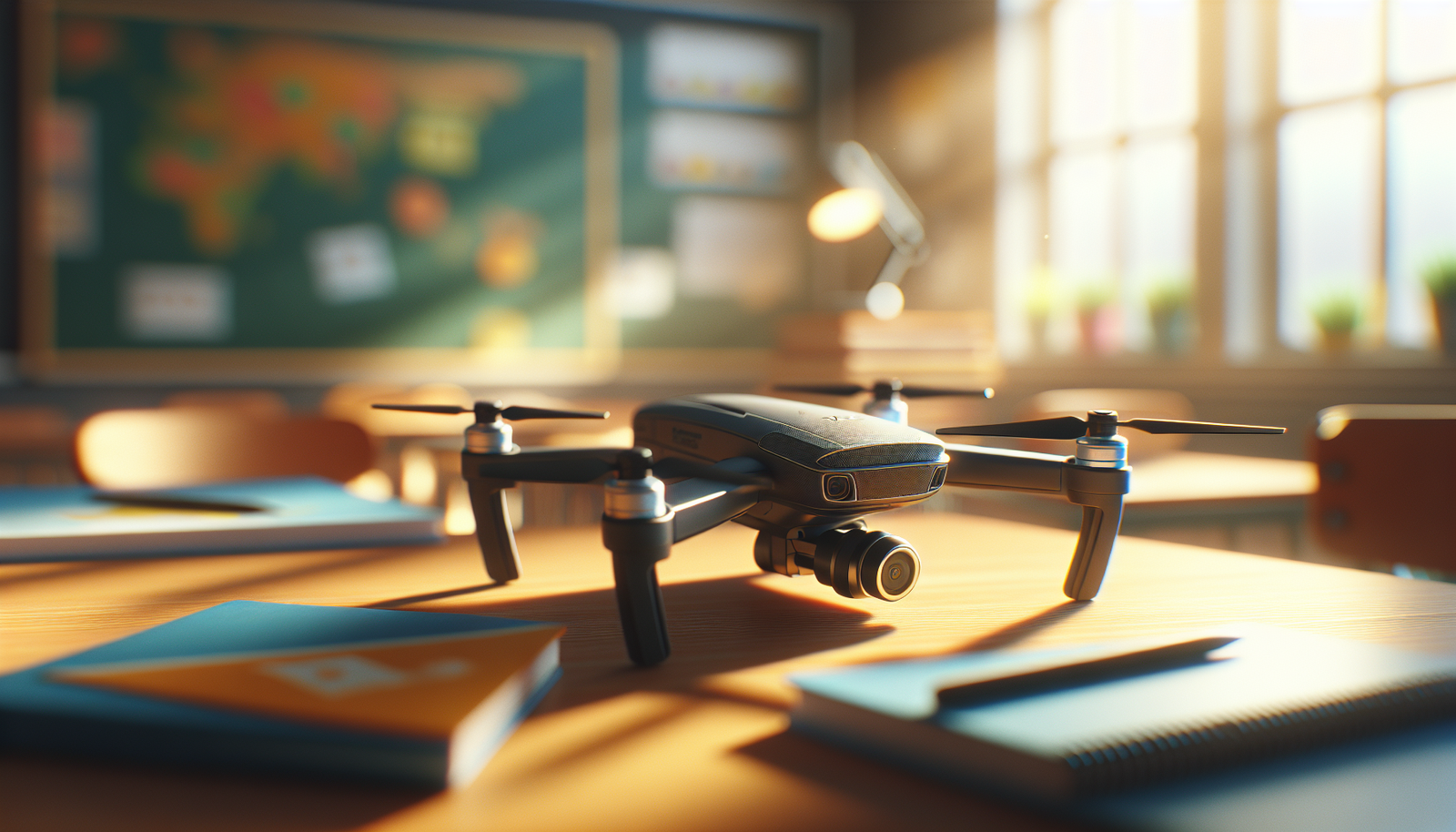
How do we teach students to fly drones and tell better stories?
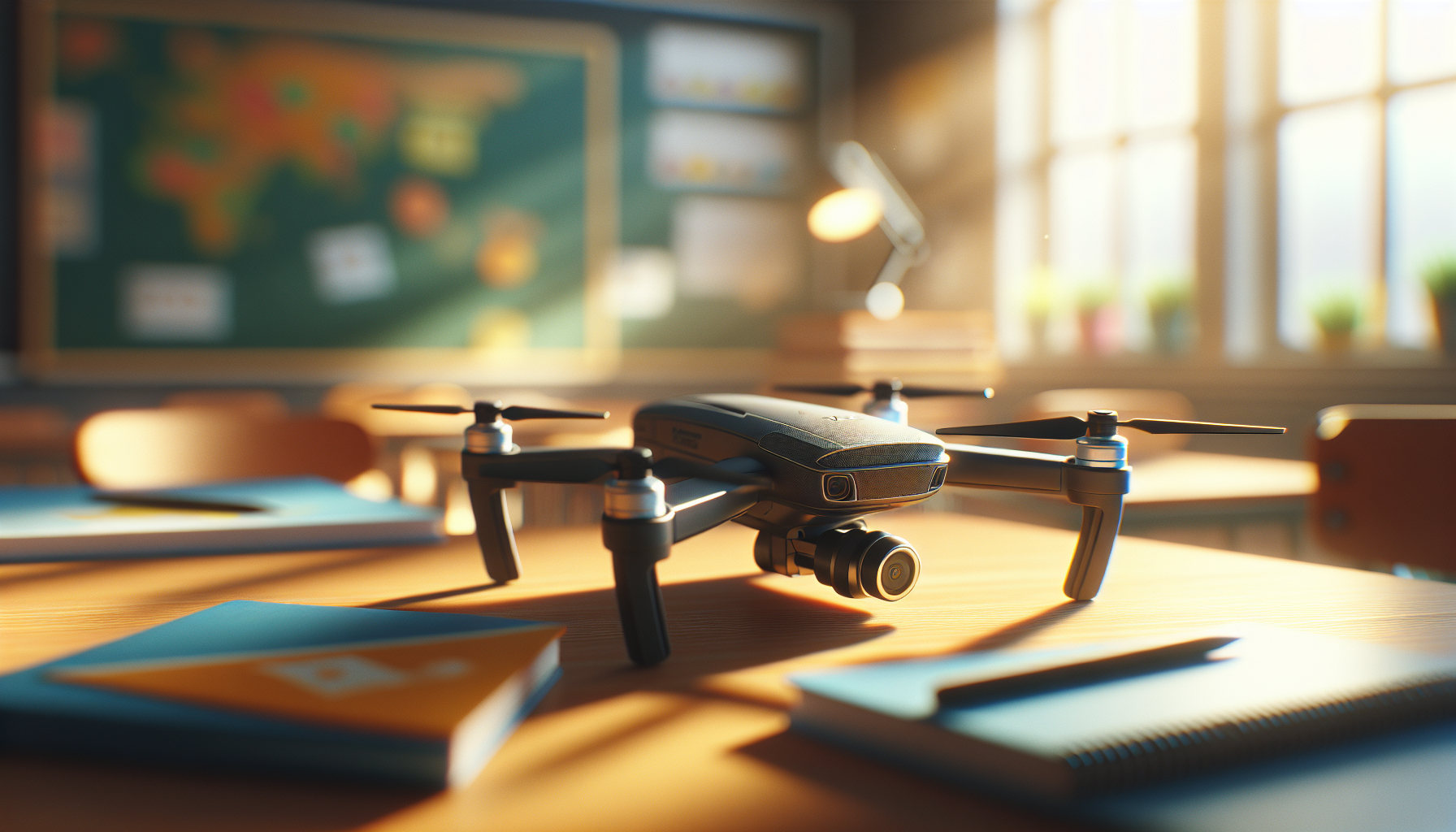
Educational drone programs teach students to fly and tell better stories
We run programs that teach students both technical and narrative skills. We pair flight training with media work to help students create clear visual stories.
Why we use drones in education
We bring drones into classes because they offer hands-on learning. We see students engage more when they control a device and shape a story.
The goals of a drone program
We aim to teach safe flight, technical skill, and story craft. We want students to leave with practical skills and clearer media judgment.
Who benefits from drone programs
We design programs for middle school, high school, and college students. We also invite teachers and community groups to join some sessions.
Core skills students gain
We teach students to pilot drones, capture video, and edit footage. We also teach them to plan projects and write clear scripts.
Flight skills
We teach students basic controls and maneuvers. We train them on takeoff, landing, and maintaining a steady shot.
Safety skills
We teach students preflight checks and risk assessment. We require students to follow rules and wear safety gear.
Technical skills
We teach students camera settings, gimbal control, and battery care. We help them troubleshoot common hardware and software issues.
Storytelling skills
We teach students scene selection, shot sequencing, and pacing. We show them how a simple narrative can guide camera movement.
How flight and story work together
We pair flight exercises with short story tasks. We ask students to plan shots that match the mood of their script.
Curriculum structure
We build the curriculum in modules that cover flight, safety, media, and production. We set clear learning objectives for each module.
Module 1: Introduction and safety
We introduce basic drone parts and safety rules. We run simple exercises that teach students to read a manual and check a battery.
Module 2: Basic flight and control
We teach students to hover, fly straight, and land. We grade students on consistency and control.
Module 3: Visual storytelling and shot lists
We teach students story basics and shot types. We ask students to draft a shot list for a short scene.
Module 4: Filming practice
We let students film short sequences under supervision. We focus on framing, movement, and audio notes.
Module 5: Editing and narration
We teach students editing software and sound layering. We show them how to match cuts to the rhythm of a story.
Module 6: Final project and critique
We assign a capstone project where students present a short film. We run peer critique and instructor feedback sessions.
Typical class session format
We open each session with a brief review of objectives. We then run a hands-on activity, a short discussion, and a reflection task.
Equipment and budget
We pick equipment that balances cost and learning value. We select drones with stable cameras and easy controls for students.
| Item | Purpose | Cost range |
|---|---|---|
| Entry-level quadcopter with camera | Flight practice and basic filming | $300–$700 |
| Mid-range drone with 4K camera | Higher-quality footage | $700–$1,500 |
| Extra batteries and charger | Extended flight time | $50–$200 |
| Tablet or controller screen | Live view for pilots | $100–$400 |
| Basic editing laptop | Post-production work | $500–$1,200 |
| Protective cases and nets | Safety and transport | $50–$300 |
| ND filters and spare props | Better image quality and parts | $20–$100 |
We track costs and plan for damaged parts. We build a repair fund to cover common fixes.
Legal and regulatory basics
We teach students the local drone rules and registration needs. We stress that pilots must follow no-fly zones and altitude limits.
Registration and certification
We explain registration steps for school-owned drones. We show students how to prepare for any required pilot tests.
Privacy and ethics
We teach students to respect privacy and public space. We require consent for filming people and private property.
Insurance and liability
We advise schools to buy liability insurance for drone activities. We explain the coverage basics and claim steps.
Safety protocols
We set clear preflight and postflight checklists. We require a safety briefing before any flight.
Preflight checklist
We list battery charge, prop condition, and firmware status. We confirm the flight area is clear and weather is safe.
Emergency procedures
We teach students how to handle a lost signal and low battery. We practice a controlled immediate landing in each session.
Teacher training and support
We train teachers to run lessons and handle incidents. We provide lesson guides and simple troubleshooting steps.
Professional development model
We run short workshops for teachers on flight basics and class management. We pair new teachers with experienced staff for the first weeks.
Ongoing support
We hold monthly clinics where teachers can ask questions and practice. We maintain a shared resource folder with lesson plans and videos.
Assessment and learning outcomes
We set clear criteria for flight skill, safety practice, and story quality. We use rubrics to grade both technical and creative work.
| Learning area | Assessment focus | Example criteria |
|---|---|---|
| Flight skill | Control and accuracy | Smooth takeoff, steady hover, controlled landing |
| Safety | Adherence to procedures | Completed checklist, safe distance from people |
| Video quality | Framing and exposure | Proper composition, stable footage |
| Storytelling | Structure and clarity | Clear beginning, middle, and end |
| Editing | Pace and transitions | Clean cuts, matched audio levels |
We give students formative feedback during practice and summative feedback on projects. We involve peers in critiques to build critical thinking.
Sample lesson plan (90 minutes)
We give a clear, time-based plan that teachers can follow. We include learning goals and materials for each step.
| Time | Activity | Goal |
|---|---|---|
| 0–10 min | Briefing and safety check | Review rules and prepare gear |
| 10–30 min | Short flight drills | Practice takeoff, hover, and land |
| 30–50 min | Story planning | Create a 30-second shot list |
| 50–70 min | Filming session | Capture planned shots in teams |
| 70–85 min | Quick edit and review | Assemble clips and add basic sound |
| 85–90 min | Reflection | Note one success and one improvement |
We keep lessons short and focused to maintain attention. We rotate roles so every student practices piloting and planning.
Project ideas for student films
We suggest simple, clear projects that fit school schedules. We align projects with local themes or class topics.
- Short documentary about a school event.
- Landscape time-lapse that shows seasonal change.
- Fictional scene that uses drone movement as a character choice.
- Public service announcement about safe drone use.
- Story that pairs ground interviews with aerial context shots.
We encourage small teams so students share tasks. We ask each team to submit a storyboard and a short reflection.
Case study: A small high school program
We worked with a high school that added drones to an elective class. Students produced short films about city parks and local history.
We taught basic flight in six weeks and editing over three weeks. We found that students who had little interest in film became more engaged when they could fly a camera.
Case study: A community workshop
We ran a weekend workshop for young people in an urban area. We combined flight lessons with assignments on local stories.
We asked participants to film a local business and tell its history in two minutes. We saw teams build clear narratives and learn safe flight in a short time.
Classroom management tips
We run clear group rules and rotate roles during practice. We keep class sizes small during flights to limit distraction.
We use zones for flying, filming, and spectator areas. We assign a safety officer for every flight session.
How we teach story basics
We teach story elements as clear, small steps. We ask students to list the main action, the subject, and the goal for each scene.
Shot types and purpose
We teach students about wide, medium, and close shots. We show how each shot carries different information and emotion.
Camera movement and meaning
We show how a slow fly-over can set context and a tight approach can create focus. We ask students to match movement to the narrative need.
Script and shot list alignment
We require teams to write a short script and a matching shot list. We check that each shot supports a sentence in the script.
Editing basics we teach
We teach students simple cuts, crossfades, and audio balance. We guide them to make choices that support story clarity.
Choosing software
We select editing software that is free or low cost. We pick tools with clear interfaces for beginners.
Sound design
We teach students basic mic use and sound layering. We stress that clear audio often improves perceived quality more than higher video resolution.
Student assessment examples
We use a mix of checklists, rubrics, and reflections. We combine instructor scoring with peer review and self-assessment.
We ask students to write a short reflection about decisions they made. We read reflections to understand student thinking and to assess growth.
Equity and access
We plan programs that reduce access gaps by sharing equipment. We schedule sessions after school and on weekends to fit family needs.
We seek donations from local groups to expand access. We offer loaner devices for students who cannot afford gear.
Partnerships with local industry
We connect with local media and drone operators for guest talks. We arrange field visits so students see real work and job roles.
We ask industry partners to provide feedback on student projects. We use that feedback to align our program with local needs.
Career pathways and skills transfer
We frame drone skills as part of broader careers in media, design, and surveying. We show students how flight, planning, and editing skills transfer to other work.
We provide sample career lists and steps to pursue them. We include links to certification programs and job resources.
Funding and grants
We identify common grant sources for school programs. We prepare simple proposals that show clear outcomes and budgets.
We list local foundations, education departments, and corporate sponsors as possible funders. We track application deadlines and required documents.
Common challenges and solutions
We list typical issues and practical fixes that we use. We keep solutions short and actionable.
- Weather cancels flights: We move lessons indoors and focus on editing or planning.
- Broken parts: We keep spare props and a repair budget to reduce downtime.
- Low student confidence: We start with simulator practice and guided controls.
- Parent concerns about safety: We hold an orientation and share safety documents.
We record each issue and solution to build a program manual. We update the manual after each term.
Legal changes and updates
We monitor local and national drone rules to keep the program compliant. We update lesson plans when rules change.
We assign one staff member to handle regulatory checks. We require that person to inform teachers before flights.
Privacy and community relations
We communicate with neighbors when flights happen near homes. We post schedules and contact info so people can ask questions.
We require teams to get permission forms when they film individuals. We store consent forms and project releases for school records.
How we measure impact
We collect student surveys, project scores, and attendance data. We compare pre-program and post-program surveys to measure confidence and skill growth.
We track media quality changes using a simple rubric. We also document student quotes and testimonials for qualitative evidence.
Best practices we follow
We keep lesson objectives clear and short. We create a consistent routine that students can rely on.
We involve students in safety checks to build responsibility. We keep equipment maintained and logs current.
Scaling the program
We start small and expand slowly when we have proof of success. We train more teachers before adding more classes.
We document processes and share guides so new sites can copy the model. We run pilot sessions and adjust based on feedback.
Community events and student showcases
We hold public screenings of student films to build interest and support. We invite families and local partners to attend and give feedback.
We use showcases as fundraising opportunities and as a way to celebrate student work. We display short behind-the-scenes notes so viewers understand student roles.
Teacher reflections and feedback loop
We ask teachers to record what worked and what did not. We meet as a staff team to revise the curriculum each term.
We collect student feedback and include it in curriculum changes. We keep changes small and test them before full rollout.
How we handle equipment loss and theft
We label all equipment and require check-in and check-out logs. We store gear in a locked room and restrict access to trained staff.
We insure high-value items and document serial numbers. We set clear consequences for negligence.
Sample rubric for grading final student films
We give a clear rubric with numeric scores and comments. We share the rubric with students at the start of the project.
| Criterion | Score 1–4 | Descriptor |
|---|---|---|
| Flight control | 1–4 | Smoothness and control of drone movement |
| Shot composition | 1–4 | Use of framing and angle for clarity |
| Story structure | 1–4 | Clear beginning, middle, and end |
| Editing | 1–4 | Flow, cuts, and audio sync |
| Safety and ethics | 1–4 | Evidence of following rules and consent forms |
We average scores and provide written feedback. We allow revisions for a higher final grade.
Tips for classroom pacing
We keep practice short and frequent rather than long and rare. We use short flights to build muscle memory and short editing tasks to build confidence.
We change activities every 20–30 minutes to keep energy up. We provide quiet time for editing and group time for flying.
Technology maintenance
We update drone firmware and app software regularly. We keep a schedule for prop replacement and battery care.
We log flights and maintenance in a shared spreadsheet. We check logs weekly and act on any flagged issues.
Student voice and agency
We let students propose project topics and lead some lessons. We support student leadership by letting them mentor peers.
We collect student suggestions after each module and include feasible ideas. We reward initiative with extra filming time or leadership roles.
Ethical storytelling and representation
We teach students to represent subjects fairly and to avoid sensationalism. We ask students to reflect on whose voice they center and why.
We require contextual notes when projects involve sensitive topics. We include guidance on respectful interviewing and consent.
Next steps for schools interested in starting a program
We recommend that schools begin with a small pilot class and one or two drones. We advise them to get basic teacher training and build a safety plan.
We suggest schools gather community support and draft a simple budget. We ask them to prepare a clear plan for storage and maintenance.
Final project examples and reflections
We describe a few final projects that show growth in skill and story sense. We include student quotes and short project summaries.
We saw a team use aerial footage to show a walking route and interview a local elder. We saw another team pair aerial photos with narration to explain a local plant restoration effort.
How we know the program works
We compare student work from early and late weeks and measure clear improvement. We watch students gain confidence and clearer story choices over time.
We read student reflections that show increased technical skill and narrative thinking. We also track higher class participation and better team collaboration.
Conclusion
We offer a clear path for schools to add drone programs that teach flight and story skills. We believe that when students learn to control a camera in the sky and a script on the page, they tell more purposeful stories.
We invite educators to pilot the model and share what they learn so we can all improve. We keep our materials open, and we update them as new rules and tools arrive.