

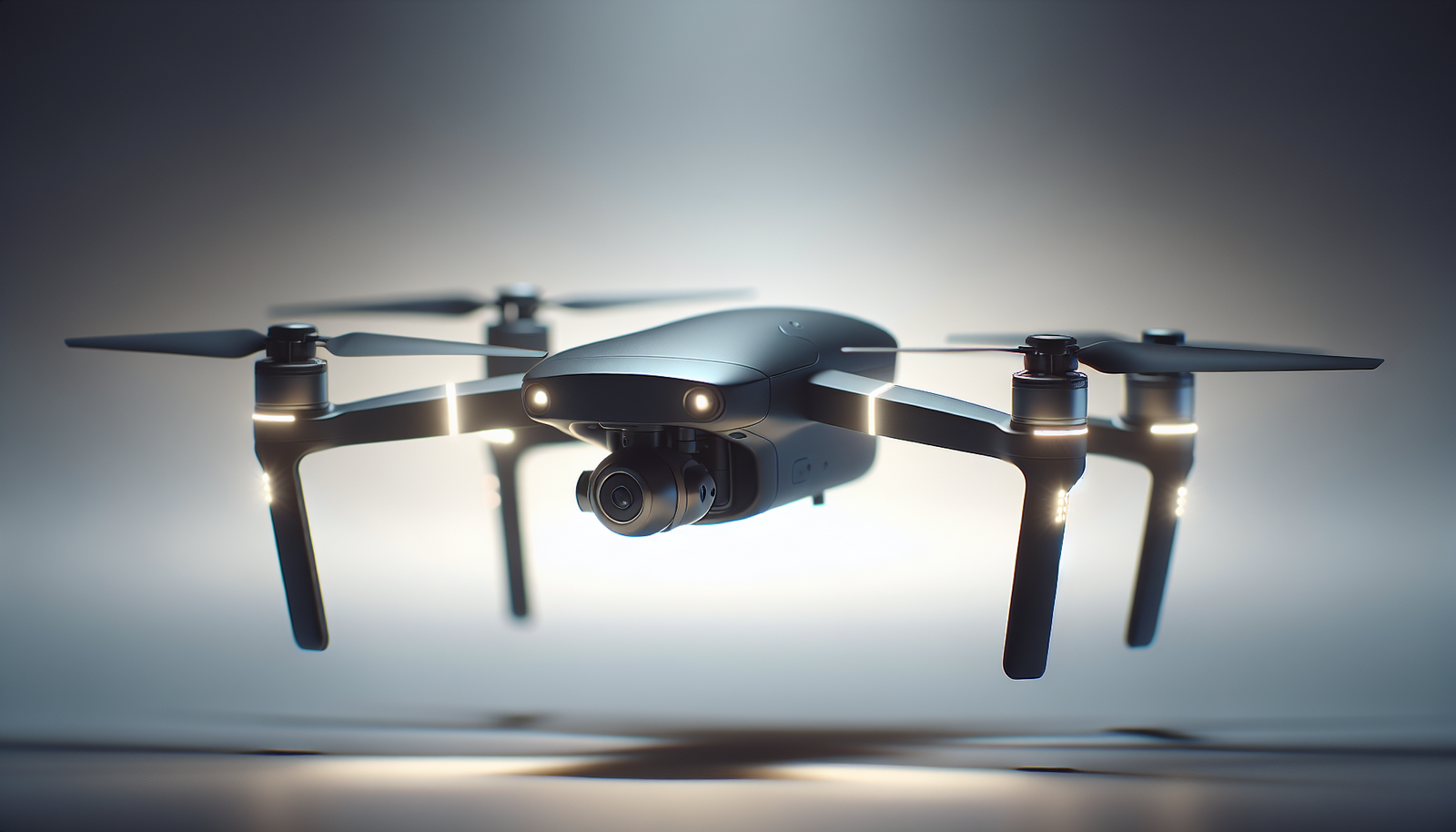
? What difference does careful software make when a drone rises into the air?
He reads code the way other people read novels. He notices commas. He notices how a misplaced sign can change a scene. He watches engineers tune software like bakers test dough. He finds the process oddly comforting. The reader will find the results comforting too. The software guides the drone. The drone follows the software. The two form a partnership that improves flight safety.
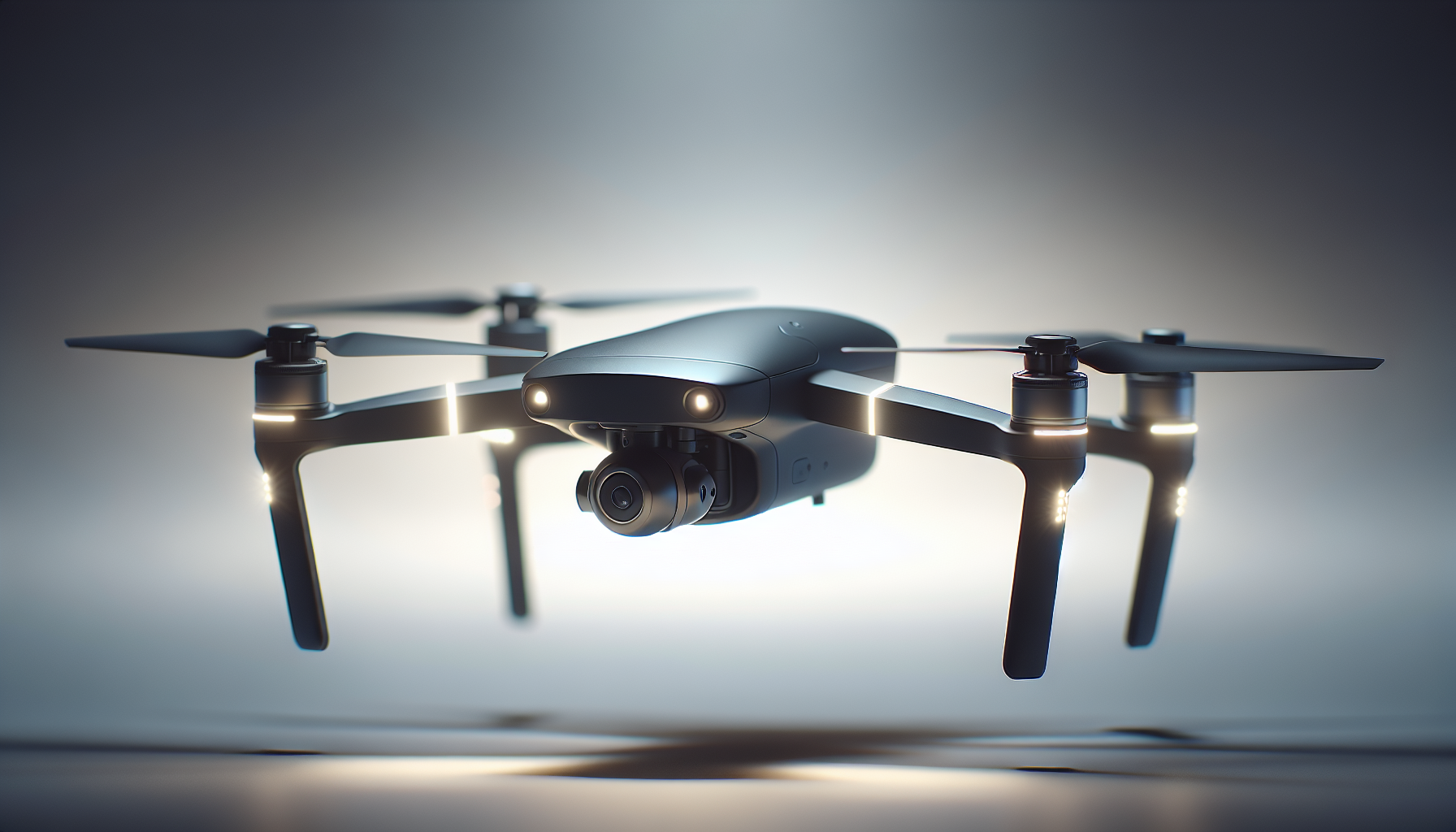
Introduction to drone software and safety
He starts with a simple sentence. Drone software controls flight. It processes sensor data. It decides on motor commands. It sends those commands to hardware. This flow affects safety at every step.
He uses an image in his mind. The drone acts like a child crossing a street. The software holds the child’s hand. The software checks signals. The software tells the child to wait. The child listens. The child survives.
This article explains how software improves safety. It uses clear language. It avoids jargon. It keeps sentences short. It balances technical detail with light humor. The goal is useful and readable content.
What drone software does
He lists the main functions. Each function helps safety in a direct way.
- Perception: Software reads sensors. It identifies obstacles. It measures altitude and speed.
- Planning: Software picks a path. It calculates safe maneuvers. It plans stoppage points.
- Control: Software sends commands to motors. It balances thrust and torque. It corrects drift.
- Communication: Software talks to ground stations. It reports health. It accepts operator input.
- Diagnostics: Software checks system health. It logs failures. It triggers failsafes.
Each function links to safety. Perception prevents collisions. Planning avoids risky paths. Control keeps flight steady. Communication allows human oversight. Diagnostics allow recovery from faults.
Perception and sensors
He keeps the sentence short. Sensors send data. Cameras capture images. LiDAR measures distance. GPS gives position. IMUs measure acceleration and rotation.
The software fuses sensor data. It combines readings into a single view. It filters noise. It rejects false values. It calculates a reliable state.
This process reduces surprises. The software finds obstacles early. The software avoids misreading the environment. The drone gains better situational awareness.
Planning and decision making
He uses clear verbs. The software plans routes. It optimizes for safety. It avoids restricted zones. It selects paths with lower risk.
The software balances time and safety. It considers battery life. It considers wind and weather. It chooses a plan it can execute safely.
If conditions change, the software replans. It adapts to new obstacles. It requests permission to land. It brings the drone home when needed.
Control systems
He describes control in plain terms. The controller computes commands. It keeps the drone stable. It counters wind gusts and turbulence.
Control loops run fast. The software runs at high frequency. It uses sensor feedback. It reduces error between desired and actual flight.
This loop prevents drift. It avoids oscillation. It returns the drone to steady flight after disturbances.
Communication and telemetry
He writes simply. The drone sends data to the operator. The operator sees telemetry. The operator sends commands back.
Telemetry includes position, battery, and health. The operator uses data to decide. The software also accepts emergency commands. It can perform automatic safe landing.
This connection increases oversight. The operator can intervene. The system supports shared responsibility.
Diagnostics and fault handling
He keeps the tone practical. The software monitors components. It detects sensor failure. It detects motor anomalies. It logs error details.
When the software detects a fault, it acts. It switches to backup sensors. It reduces flight speed. It executes safety maneuvers.
These actions improve survivability. They give the system time to recover. They reduce the chance of catastrophic failure.
How software development practices affect safety
He turns a technical point into a simple description. The way developers write code affects safety directly. Clean code leads to predictable behavior. Poor code hides bugs.
Development practices include design, testing, and maintenance. Each practice reduces risk. The team follows standards to improve reliability.
Requirements and specifications
He defines the first step. Engineers gather requirements. They list sensor needs. They list performance targets. They list safety goals.
Clear requirements guide designs. They reduce ambiguity in implementation. The team measures success against these requirements.
For safe flight, requirements must include failover behavior. They must include limits on altitude, speed, and proximity to obstacles.
Modular design and separation of concerns
He advocates structure. Developers split the system into modules. Each module has a simple purpose.
One module handles perception. Another handles planning. Another handles control. This separation reduces errors. It makes debugging easier.
Modules also allow safe updates. The team can update perception without changing control code. This practice limits the scope of new bugs.
Code quality and standards
He keeps it concise. The team enforces coding standards. They use style guides. They run static analysis tools.
These tools find common errors. They catch memory leaks and type mismatches. They enforce consistent naming. Consistency reduces misunderstandings.
Developers also use code reviews. Peers inspect code before it merges. Reviews catch subtle mistakes. Reviews spread knowledge across the team.
Version control and traceability
He explains fast. The team uses version control. They track changes. Each change links to a requirement or bug report.
Traceability helps audits. It shows why a change occurred. It helps revert faulty changes. It improves accountability and safety.
Continuous integration and continuous delivery (CI/CD)
He uses plain terms. CI runs tests automatically. The system builds and runs unit tests on each change. CI rejects breaks early.
CD automates deployment. The team deploys code to test rigs. They avoid manual errors. Automation reduces human mistake.
Documentation and training
He stresses clarity. The team writes clear documentation. They document APIs and behavior. They document failure modes.
Operators and maintenance staff read the documents. Documentation reduces operator error. Training based on documentation builds safe procedures.
Testing strategies that increase flight safety
He writes that testing brings confidence. The team tests at multiple levels. They test units, integration, and system behavior.
Testing must include real and simulated environments. Each environment reveals different issues. The team uses simulation early. They use real flights before deployment.
Unit testing
He defines the simplest layer. Developers test small code units. Each function must behave predictably.
Unit tests run fast. They catch regression errors quickly. The team runs them on every change.
Integration testing
He keeps it simple. Integration tests check modules together. They validate message passing and data formats.
These tests find interface mismatches. They reveal timing issues across modules. Integration tests reduce surprises in flight tests.
Hardware-in-the-loop (HIL) testing
He explains the bridge to hardware. HIL connects real hardware to simulated environments. The software sees realistic sensor inputs.
HIL reveals hardware-related bugs early. It tests latency and signal integrity. The team can test failure responses without risk.
Flight simulation
He describes simulation plainly. The team runs thousands of simulated flights. The simulation covers weather and traffic scenarios.
Simulation finds edge cases. The team can test extreme conditions safely. They reproduce rare failures that would be unsafe to create in the real world.
Field testing and acceptance testing
He notes the final step. The team tests in real airspace. They conduct supervised flights. They measure performance against safety criteria.
Field testing reveals real-world factors. Birds, radio noise, and human activity affect results. The team refines software based on these tests.
Regression testing
He emphasizes repetition. The team repeats key tests after each change. Regression tests ensure previous fixes still work.
These tests prevent old bugs from returning. They maintain safety as the codebase grows.
Safety features in modern drone software
He lists practical features that improve safety. Each feature relates to a common risk.
Geofencing
He describes simply. Geofencing sets virtual boundaries. The software prevents flight into restricted zones.
Geofences protect people and property. They prevent accidental entry into airports and sensitive sites.
Return-to-home and failsafe landing
He writes plainly. The software commands return-to-home when needed. It triggers safe landing on low battery or loss of link.
This feature reduces crash risk. It brings the drone to a known safe point.
Collision avoidance and obstacle detection
He keeps the explanation clear. Sensors detect obstacles. The software calculates avoidance maneuvers.
The system reacts faster than a human pilot. It reduces the chance of mid-air collisions.
Redundancy and sensor fusion
He explains redundancy in simple terms. The software uses multiple sensors for the same data. If one sensor fails, another provides data.
Sensor fusion merges inputs for a reliable estimate. This approach reduces single-point failures.
Health monitoring and predictive maintenance
He states the purpose. Software monitors component health over time. It predicts wear and failure.
Predictive maintenance schedules service before failure. This reduces in-flight emergency risks.
Secure communication and authentication
He focuses on risk. The software uses encryption. It authenticates commands. It prevents unauthorized control.
Secure links reduce the chance of hijacking. They protect operator control and flight safety.
Regulatory and certification considerations
He points out the legal side. Regulations exist to protect people. Developers must follow rules for safe operation.
Regulations differ by country. Teams must design for the strictest applicable rules. Compliance often requires documentation and testing evidence.
Compliance with aviation authorities
He uses direct words. The team submits flight manuals and safety cases. Authorities review these documents.
The software must support required features. Authorities often require geofencing, logging, and fail-safe modes.
Certification processes
He explains simply. Certification proves the system meets standards. The team provides test evidence and analysis.
Certification can take time. It requires formal verification and traceability. Teams plan this into development timelines.
Data privacy and operator responsibility
He keeps it short. Operators collect data during flight. Laws may restrict collection and storage.
The software must support data protection. It must allow secure logging and selective sharing.
Case studies: software that saved the flight
He tells short stories. Each story shows software preventing an accident. He keeps the tone light but respectful.
Case 1: Obstacle avoidance saves a delivery
He writes the scene. A drone approaches a tree line. The software detects branches with LiDAR. The planner adjusts the path. The drone flies around the branches. The package landed on time. The operator smiled.
Case 2: Return-to-home on low battery
He describes a routine flight. The battery dropped below safe threshold. The software executed return-to-home. The drone landed safely away from people. The system logged the event for review.
Case 3: Sensor fusion after GPS loss
He sets a tense moment. The GPS signal dropped near tall buildings. The software used IMU and vision to keep position. The drone hovered safely until GPS returned. The operator regained confidence.
Each case shows how software decisions reduced risk. Each case supports investment in careful software development.
Common challenges in drone software development
He lists issues frankly. Each challenge affects safety. Teams must address these problems.
Real-time constraints
He explains the issue briefly. Drones require fast responses. The software must run within strict time limits.
Delayed commands can cause instability. The team optimizes code and reduces latency.
Sensor noise and failures
He notes the difficulty. Sensors produce noisy data. They sometimes fail completely.
The software must filter noise. It must detect and handle failures. Algorithms must remain stable in degraded modes.
Complexity of environmental conditions
He keeps the point clear. Weather and terrain vary. Urban areas present multipath for GPS. Rural areas present sparse visual features.
The software must adapt to these conditions. The team tests under diverse scenarios.
Security threats
He lists risks. Attackers may attempt to spoof sensors. They may try to hijack the control link.
The software must defend against these threats. The team uses encryption, authentication, and anomaly detection.
Integration with hardware
He explains briefly. Hardware differs across models. The software must adapt to different motors, sensors, and frames.
Teams build abstraction layers. These layers hide hardware differences. This approach simplifies software reuse and testing.
Best practices for teams developing safe drone software
He shares practical advice. Teams can implement these measures to improve safety.
Start with clear safety goals
He keeps it direct. The team defines safety goals early. They set measurable criteria for success.
Safety goals guide design and testing. They provide a basis for acceptance.
Use layered safety
He explains the concept in plain terms. The team implements multiple safety layers. Each layer covers different failure modes.
If one layer fails, another can compensate. Layers include hardware redundancy, software checks, and human oversight.
Prioritize predictable behavior
He emphasizes clarity. The software should behave predictably. Operators must understand system responses.
Predictability reduces operator errors. It also simplifies training.
Automate tests and monitoring
He states the benefit. The team automates tests and monitoring. Automation finds issues earlier and reduces human error.
Automated monitoring alerts the team to anomalies in the field. The team can react quickly.
Involve pilots and operators early
He writes plainly. Operators know real-world needs. The team includes them in design and testing.
Their feedback improves usability and safety. It reveals edge cases that lab tests miss.
Plan for updates and maintenance
He is practical. The team plans for updates and maintenance. They create update procedures that minimize risk.
They include rollback plans. They test updates in staging before field deployment.
Tools and technologies that support safe development
He lists useful tools. Each tool improves a part of the process.
- Simulation platforms: They support large-scale testing.
- Static analysis: It finds code issues early.
- Formal verification tools: They prove properties of critical algorithms.
- HIL setups: They test software with real hardware.
- Logging and telemetry platforms: They collect flight data for analysis.
- CI/CD pipelines: They automate testing and deployment.
Each tool reduces risk. The team chooses tools that match project needs and budgets.
Metrics and KPIs for flight safety
He offers measurable indicators. Teams should track these metrics to measure safety.
- Mean Time Between Failures (MTBF): Lower failure rates imply safer systems.
- Incident rate: Count of safety incidents per flight hour.
- Recovery success rate: Percentage of successful recoveries from anomalies.
- Sensor accuracy: Error statistics for key sensors.
- Latency: Time between sensor input and control output.
- Test coverage: Percentage of code and scenarios covered by tests.
These metrics guide continuous improvement. Teams review them regularly and act on trends.
Human factors and operator interfaces
He highlights the human role. The operator forms the final line of defense. The software must present clear information.
Operators need concise telemetry. They need clear warning levels. The interface must minimize distraction.
The team tests interfaces with real operators. They measure task load and error rate. They refine displays based on feedback.
Ethics and social responsibility
He explains the moral side. Developers must consider public safety and privacy. They must design with respect for community concerns.
The software should minimize intrusive data collection. The team should provide clear notifications when drones operate near people.
Developers must aim for transparency. The team should publish safety records and compliance details when appropriate.
Future trends that will shape safety
He forecasts sensibly. Emerging technologies will raise safety further.
- Improved AI perception: AI will detect and classify obstacles more reliably.
- Distributed traffic management: Systems will coordinate many drones to avoid conflicts.
- Better energy storage: Longer flight times will reduce pressure on emergency procedures.
- Formal methods: More teams will use formal proofs for critical algorithms.
- Edge compute advances: Faster processors will reduce latency and support complex models onboard.
Each trend will require careful integration. Teams must test and validate new technologies before deployment.
Cost-benefit of investing in safety-focused software
He explains the tradeoffs. Investing in safety increases upfront cost. It reduces accident costs and liability over time.
Insurers may offer lower premiums to teams with strong safety records. Authorities may approve operations faster for certified systems.
The team can model cost savings. They compare the cost of crashes to the cost of safety development. In many cases, the investment pays off.
Practical checklist for safer drone software releases
He presents a simple checklist teams can follow before release.
- Define safety goals and acceptance criteria.
- Complete unit, integration, and system tests.
- Run HIL and flight simulation scenarios.
- Perform field trials under supervision.
- Review code and run static analysis.
- Ensure encryption and authentication are in place.
- Document failure modes and operational procedures.
- Train operators on new features.
- Prepare rollback and emergency plans.
- Collect initial telemetry and review performance in early flights.
This checklist helps avoid common oversights. It supports a steady and safe rollout.
Conclusion
He closes with a clear thought. Software shapes drone behavior at every level. Careful development reduces risk. It increases reliability and operator confidence.
He returns to the earlier image. The software holds the child’s hand. The child crosses the street safely. With good software, the drone reaches its destination without incident.
The team that writes good code protects people and property. They also protect their reputation and their business. Safety pays in many ways. Teams that invest in safety will see fewer accidents, smoother operations, and better acceptance by regulators and the public.
If one line sums up the message, it reads like this: thoughtful software improves flight safety and saves lives.
Appendix: quick reference table for common safety features
| Feature | What it does | Why it matters |
|---|---|---|
| Geofencing | Prevents entry into restricted areas | Reduces risk to airports and sensitive sites |
| Return-to-home | Commands safe return or landing on failure | Limits crash risk on battery loss or link failure |
| Obstacle avoidance | Detects and avoids physical obstacles | Prevents collisions and property damage |
| Sensor fusion | Merges multiple sensor inputs | Reduces reliance on a single sensor and improves accuracy |
| Health monitoring | Tracks component status over time | Enables predictive maintenance and reduces failures |
| Encryption/authentication | Secures control and telemetry links | Prevents unauthorized access and hijacking |
This table provides a compact view. Teams can use it to check basic safety coverage.
He finishes with a small observation. Development brings small, steady gains. Each code review and test adds a layer of protection. The drone, guided by well-crafted software, flies safer as a result.