

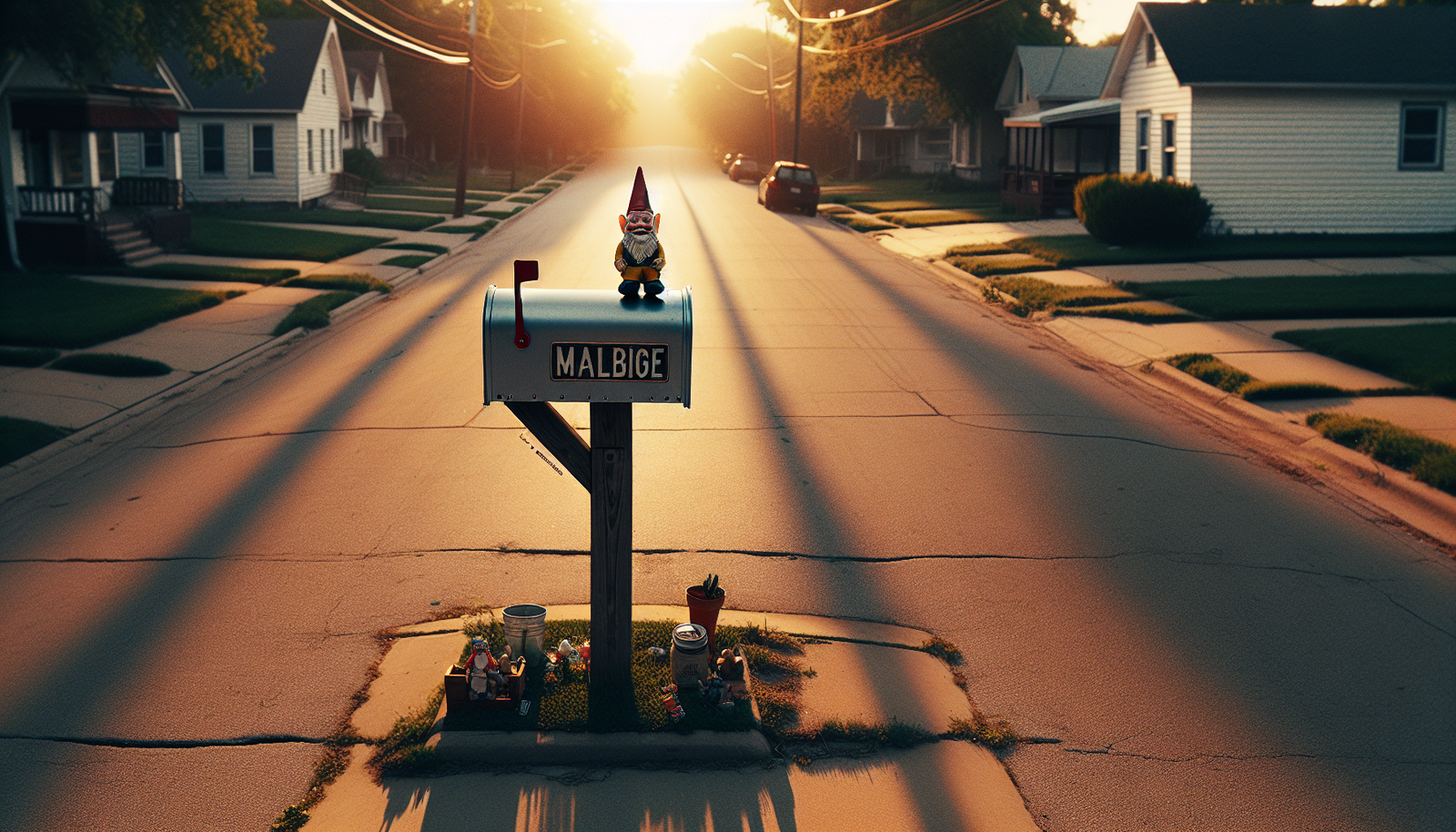
What odd detail waits below the rotor wash?
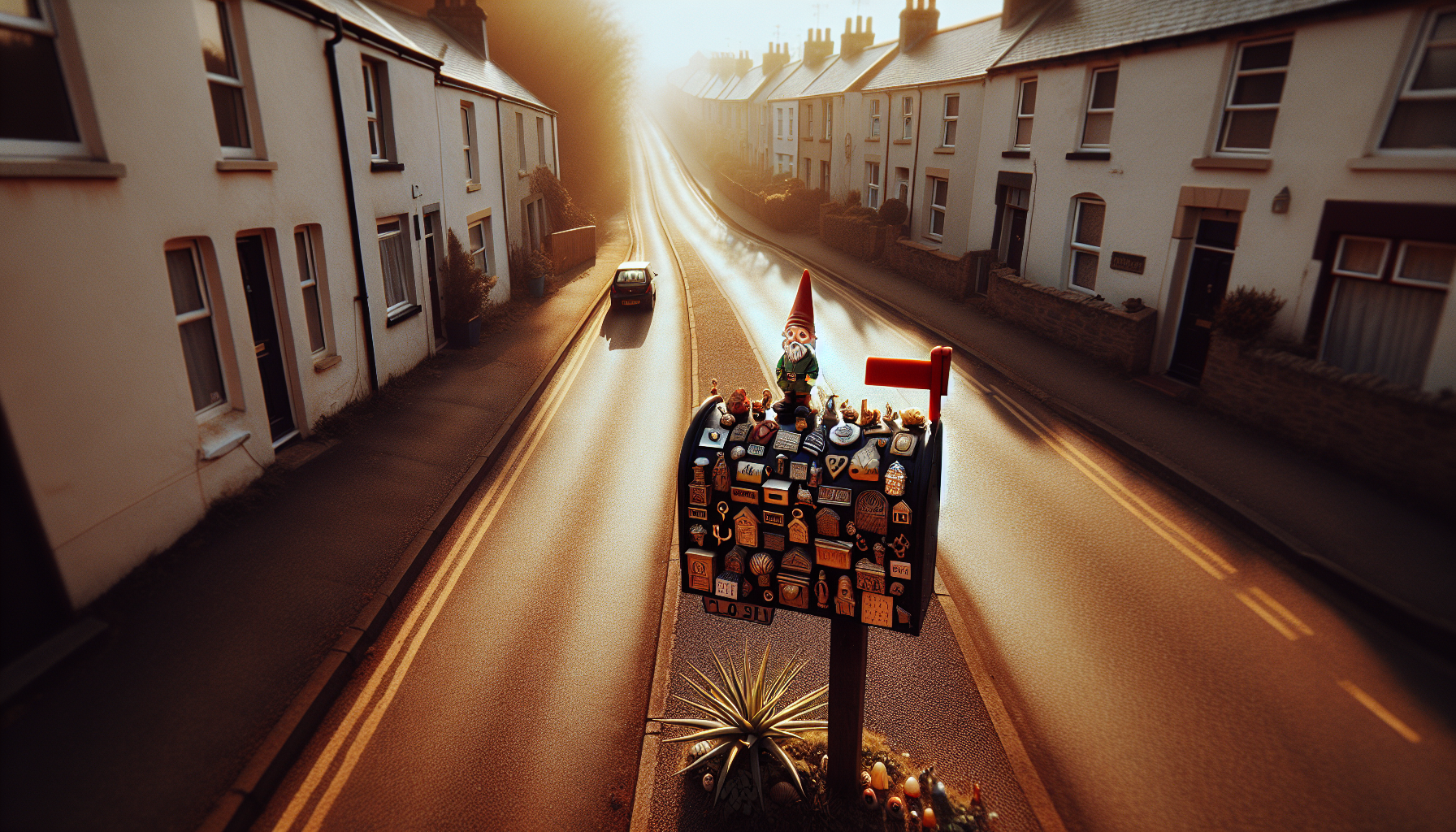
Drone photography reveals small town oddities with wry clarity
He lifts the drone until the houses look like chess pieces. He watches roofs form a grid. He notices a single pawn painted hot pink. He points the camera and records small towns in a way that a driver cannot see. He records small scenes that make people laugh, frown, or scratch their heads.
This article explains how drone photography shows oddities in small towns. It covers how the images reveal stories, how to make those images, and how to share them with humor and respect. It uses simple sentences and clear structure. It keeps tone light and observant, like a friend telling a story but from above.
Why aerial views change perception
He rises above a street and sees patterns. He learns that the way people arrange their yards tells a story. He sees fences, lawn ornaments, and the occasional unlit neon sign. He learns shapes and contrasts that a person on the sidewalk cannot grasp.
An aerial view simplifies a scene. It removes faces and focuses on forms. It highlights human choices. It makes ordinary things seem strange. The drone turns the familiar into the curious.
What small towns show best from above
He flies above the Main Street and marks the usual suspects. He finds empty parking lots, ornate church roofs, and amateur murals. He finds the oddities that make a small town unique.
Empty strip mall parking lots
He hovers above a strip mall. He sees a parking lot with four cars at noon. He records an abandoned storefront with flaking paint. He notices a discarded Christmas wreath on a light pole. He thinks about the economy and small town resilience.
From above, spaces tell a timeline. They show activity or the lack of it. They show which businesses survive and which fall silent.
Misplaced lawn decor
He scans backyards and sees flamingos in conservative yards. He sees a giant gnome next to a pickup truck. He sees plastic deer that still wear Christmas hats in July. He finds humor in mismatched taste.
The drone exposes patterns. It shows that people buy the same cheap lawn items and then place them in strange arrangements. He wonders about personal stories behind the objects.
Rows of identical houses with one odd paint job
He passes over a cul-de-sac. He sees three beige houses and one painted bright teal. He imagines the conversation at the homeowner association meeting. He pictures a neighbor who wanted color and got it.
Color choices reveal personality. They hint at rebellion, thrift, or sudden inspiration. The drone freezes that choice for everyone to see.
Tiny roadside shrines and seasonal displays
He notices a small cross near a field. He sees pumpkins staged on a porch in early September. He sees a makeshift memorial on the shoulder of a county road. He records these signs from above and feels their quiet presence.
The drone respects the smallness of these sites. It records without intruding. It makes a gentle slide past grief, celebration, and ritual.
The assembly of odd vehicles
He records a yard full of tractors, RVs, and one convertible with a missing wheel. He sees cars stacked like art projects. He sees trailers parked for years. He sees a bright blue Mini Cooper behind a barn that holds three tractors.
From the sky, vehicles form patterns. They suggest hobbies, storage needs, and a stubborn refusal to throw things away.
The photographer as observer and commentator
He does not aim to mock. He aims to notice. He approaches each flight as a short essay from above. He composes shots that tell a small story in a single frame.
He keeps his comments gentle. He understands that every oddity has a human cause. He attempts to show curiosity, not judgment. He uses humor to connect, not to belittle.
The voice in captions
He writes captions like a neighbor who cannot help but comment. He writes sentences that are short and wry. He names things without naming names.
He keeps captions precise. He avoids long qualifiers. He uses plain verbs and clear nouns. He trusts the image to do most of the work.
Technical basics for clear aerial images
He keeps the drone stable. He uses simple settings and a steady hand. He picks light and time carefully.
This section lists practical tips for shooters who want clarity and wit in their images. The instructions use direct language and clear order. The list below helps readers plan a flight.
Best time to fly
He flies at golden hour for warm light. He flies at midday for strong shadows that reveal texture. He avoids low light that blurs noise.
He checks weather before each flight. He avoids gusts and heavy wind. He cancels flights when the sky looks unreliable.
Camera settings simplified
He sets ISO low to reduce noise. He sets shutter speed fast enough to avoid motion blur. He chooses an aperture that balances sharpness and light.
He shoots in RAW when possible. He uses manual mode to keep control. He adjusts exposure for highlights and shadows.
Composition from above
He looks for lines and contrasts. He frames roads that cut like threads through a pattern. He places odd objects off-center to draw attention.
He uses leading lines and negative space. He keeps compositions uncluttered. He focuses on one oddity per frame when possible.
Gear checklist
He packs only what he needs. He charges batteries and formats memory cards. He carries a small toolkit and extra props like lens cloths.
Here is a simple table with gear and purpose.
| Item | Purpose |
|---|---|
| Drone with 4K camera | Capture high-resolution images |
| Extra batteries | Extend flight time |
| ND filters | Control exposure in bright light |
| Spare propellers | Replace damaged parts |
| Memory cards (fast) | Store images reliably |
| Phone or tablet | View live feed and control |
| Portable charger | Charge devices on site |
| Sun hat and water | Stay comfortable during long shoots |
He reviews the checklist before each flight. He avoids surprises by preparing.
Legal and ethical rules that matter
He follows local laws. He registers his drone when required. He respects privacy and sensitive locations.
Aerial freedom comes with rules. This section gives clear steps to comply and to act with care.
Registration and permits
He checks national and local laws. He registers a drone when the law requires it. He applies for permits for flights near events or airports.
He plans ahead for restricted airspace. He contacts authorities when necessary. He keeps documentation accessible during flights.
Privacy and respect
He avoids filming through windows. He does not hover above private property for extended periods. He asks for permission when he plans to focus on a house or person.
He declines to publish sensitive images that could harm someone. He blurs faces and license plates when needed. He behaves like a considerate guest in small towns.
Safety best practices
He keeps line of sight with the drone. He stays clear of crowds and emergency scenes. He lands immediately if a person expresses concern.
He performs preflight checks each time. He keeps a safe distance from power lines and animals.
How to find oddities and tell a story
He moves the drone with intent. He thinks of each flight as a short walk through a town. He looks for contrast, repetition, and a single element that breaks a pattern.
This section helps the reader plan flights that reveal the town’s character. It offers methods to find subjects and to structure a visual story.
Walk the streets first
He walks the town on foot before flying. He learns where people gather. He notices yards with odd items and dead storefronts.
He uses footwork to plan aerial shots. He marks locations that offer strong patterns. He considers how the light changes over the day.
Look for patterns and breaks
He searches for rows of similar houses and one different roof. He scans parking lots for one car parked at an angle. He likes fences that form jagged lines.
He frames scenes where one odd element breaks a pattern. He makes that break the subject.
Pair aerial shots with ground-level details
He takes a complementary photo from the ground. He records a close-up of a lawn gnome or a faded sign. He pairs the wide view with a human-scale detail.
He edits the pair together. He tells a fuller story with both views.
Case studies: small town oddities captured
He collects examples. Each example shows how the drone finds meaning in odd things. He writes short descriptions that are both factual and wry.
The sun-faded mural and the parking lot picnic
He found a mural on the side of a hardware store. He recorded a picnic with three folding chairs in the middle of an empty lot. He noticed that the picnic table faced the mural as if the people were having a private viewing.
The mural and the picnic made a quiet commentary. The town used the parking lot as social space. The image showed how people reassign public spaces.
The swimming pool that never opened
He flew over a closed municipal pool. He saw leaves on the deck and a rusted lifeguard stand. He saw a lone inflatable unicorn floating in the shallow end.
The pool told a story of budget cuts or a changing town. The float suggested someone still wanted summer. The contrast added a gentle irony.
The parade float parked for months
He photographed a parade float in a storage lot. He saw crepe paper hanging in tatters. He saw a queen’s crown leaning against a tire.
The float looked like a prop from a paused celebration. The image suggested a town that remembered its pride but had limited occasions to perform it.
The roundabout with a garden gnome colony
He circled a small traffic island with an assortment of gnomes. He counted six gnomes and one concrete rabbit. He guessed a local joke or a gardening club experiment.
The gnome colony served as a communal wink. The photo showed a town that could laugh at itself.
The church roof with a satellite dish
He hovered above a steeple and saw a satellite dish bolted to the roof. He noted the contrast between the old building and the modern appliance. He imagined Sunday sermons and late-night television.
That image suggested how traditions and modern conveniences live side by side.
Editing and post-processing for clarity and tone
He edits with restraint. He improves clarity and color. He keeps the image true to its humor.
This section covers how to edit images in a way that aligns with the wry, observational tone.
Basic adjustments
He corrects exposure and white balance. He crops to emphasize the odd element. He sharpens lightly.
He avoids heavy filters that change the mood. He aims for authenticity.
Emphasizing the oddity
He increases local contrast around the subject. He uses vignette sparingly to guide the eye. He dodges and burns to make textures readable.
He keeps edits minimal to preserve trust. He wants the viewer to feel that the image shows a real oddity, not a fabricated scene.
Caption writing again
He writes captions that reveal the fact and the joke. He keeps the voice third person. He avoids snide remarks that might hurt an individual.
He keeps captions concise and clear. He lets the image carry the humor and uses the caption as a gentle nudge.
Publishing and sharing with care
He posts on social media, but he prepares the audience first. He frames images as observations rather than judgments.
This part covers tactics for publishing images that attract attention without crossing lines.
Choosing platforms
He posts on local community pages and on broader photo sites. He chooses platforms where people discuss local life. He adapts captions for each audience.
He engages politely with comments. He thanks people who correct facts.
Responding to criticism
He listens to complaints. He apologizes if he unintentionally harms someone. He removes images when a legitimate privacy issue arises.
He respects local norms and adjusts behavior accordingly.
The limits of the aerial gaze
He admits that a drone cannot tell the whole story. He cannot see a face or hear the town gossip. He cannot capture the smell of a bakery or the texture of a craftsman’s wood.
This section reminds readers of the aerial method’s strengths and weaknesses. It encourages humility.
What the drone cannot show
He cannot capture tone of voice. He cannot find hidden histories without local input. He cannot replace human reporting.
He uses aerial images as prompts for further inquiry. He pairs images with interviews when a deeper story matters.
When to put the drone away
He ceases flights near funerals or in a yard with a grieving family. He avoids hovering over private gatherings or medical facilities.
He chooses discretion over spectacle.
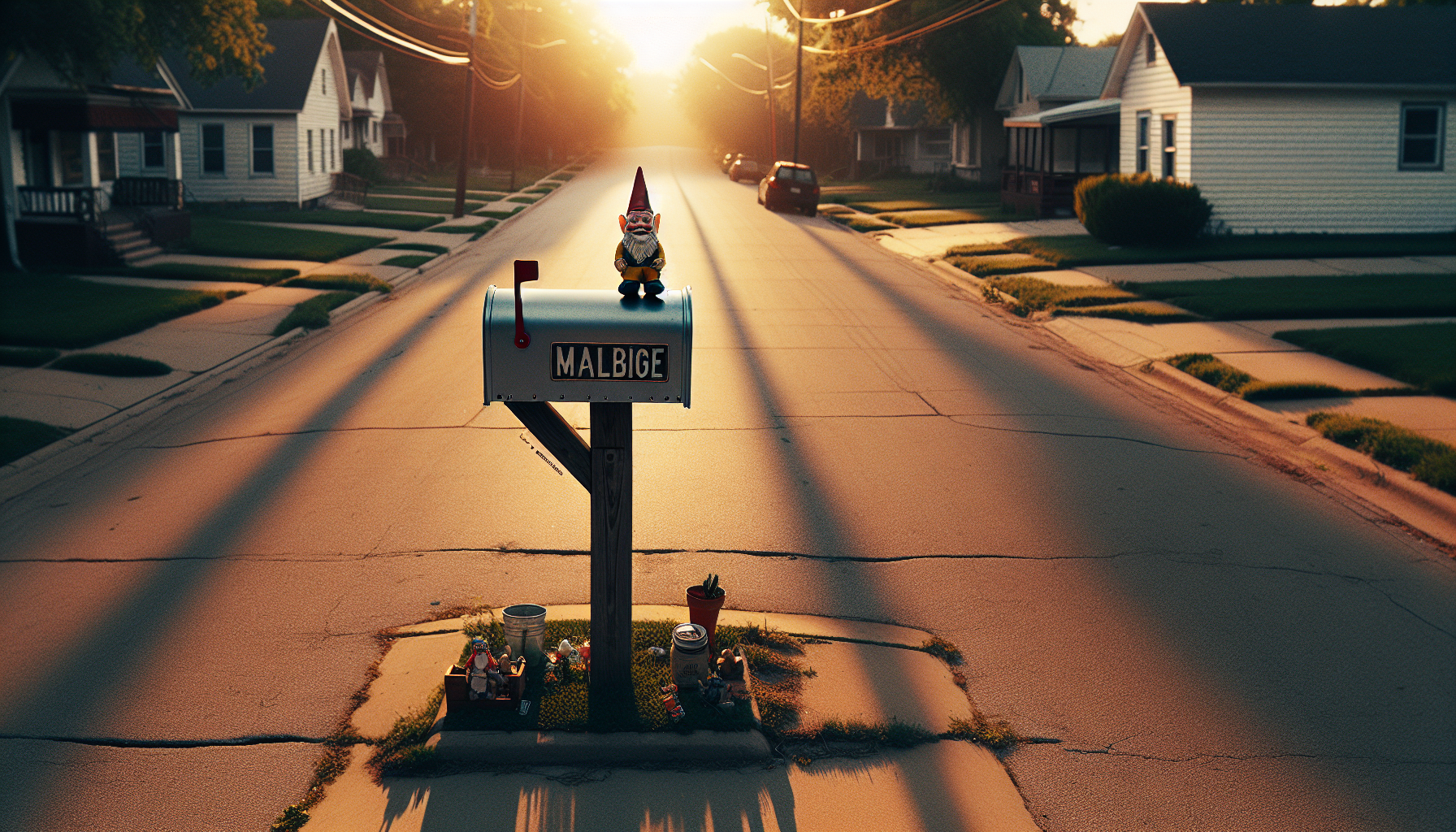
Small town oddities as social mirror
He treats oddities as mirrors that reflect local values. He sees thrift in saved lawn furniture. He sees pride in painted storefronts. He sees humor in gnome collections.
He believes that a small town shows itself in its choices. The drone reveals those choices with plain clarity.
Patterns that reveal social life
He notes driveways lined with bicycles. He notices porches with matching chairs. He sees that one town keeps its sidewalks clean and another stores junk in front yards.
He reads images as data. He uses them to understand how people live, not to judge them.
Humor and tenderness
He finds both sarcasm and affection in his shots. He presents oddities with a smile. He remembers that behind every odd display there is a person.
He writes about oddities with warmth. He treats towns as characters, not caricatures.
Tips for new drone photographers who want to record small towns
He compiles a short list of do’s and don’ts. He advises beginners on logistics and attitude.
This list keeps language simple and practical. It helps a newcomer fly with purpose and politeness.
Do’s
- Do check local rules before flying.
- Do ask for permission when filming private property.
- Do plan light and composition.
- Do carry spare batteries and gear.
- Do pair aerial shots with ground-level context.
- Do caption with care and facts.
Don’ts
- Do not hover over people without consent.
- Do not publish images that invade privacy.
- Do not alter images to mislead.
- Do not fly in restricted airspace.
- Do not assume an odd object equals a story without verification.
He keeps this list on his phone and consults it before each flight.
A short creative exercise to try
He suggests a simple project for readers. He asks them to pick a single street and tell its story in five images.
He outlines steps to complete the exercise. The exercise trains the eye to find oddities with narrative intent.
Steps
- Choose a street with varied elements.
- Walk the street and take notes.
- Fly above the street during good light.
- Capture wide shots and focused shots.
- Pair images and write five short captions.
He recommends sharing the series with local groups and asking for reactions. He suggests the series can start conversations rather than end them.
The ethics of humor
He uses humor carefully. He avoids mean-spirited comments. He prefers irony that invites a smile, not scorn.
This section explains how the photographer balances wit and respect. He offers a few rules of thumb.
Rules of thumb
- Respect the vulnerable. Do not make them the butt of a joke.
- Punch up, not down. Aim jokes at institutions or odd situations rather than at individuals.
- Offer context. When humor could read as hurtful, include a note.
- Seek consent for images that focus on private spaces.
He follows these rules because kindness keeps doors open.
How towns react to being seen from above
He notices that some towns enjoy the attention. He sees others bristle at it. He learns to read local mood before posting images widely.
This section highlights typical reactions and how to handle them.
Positive reactions
He sees town pages share images with pride. He sees local artists use aerial shots to promote events. He sees citizens point out details only they knew.
He encourages collaboration. He suggests offering images for local calendars or displays.
Negative reactions
He encounters anger over perceived snooping. He receives messages asking him to take down images. He deals with complaints professionally.
He apologizes when a mistake happens. He explains his process and removes images when necessary.
Final thoughts and a small confession
He admits that the drone has changed the way he thinks about towns. He confesses that he sometimes flies longer than he planned because one odd detail leads to another. He laughs at his own curiosity.
He believes that aerial images can bring joy, provoke thought, and prompt conversation. He trusts that the right balance of humor and care will make the work welcome.
He concludes that small towns become visible in new ways from above. He calls the images a catalog of choices: color choices, thrift choices, displays of pride or neglect. He sees oddity as a human marker, not an indictment.
Short glossary of terms used
He defines a few terms for readers who want clarity. He keeps the definitions short and simple.
| Term | Definition |
|---|---|
| Golden hour | The hour after sunrise or before sunset with warm light |
| RAW | Uncompressed image file with more editing room |
| ND filter | Neutral density filter that reduces light intensity |
| Line of sight | Direct visual contact with the drone during flight |
| Vignette | Darkening at the edges of an image to focus attention |
He encourages readers to learn these terms and use them in practice.
Resources and further reading
He lists practical resources that help new photographers learn rules and techniques. He keeps entries brief and precise.
- Local aviation authority website for legal rules.
- Drone manufacturer manual for device care.
- Photography forums for composition tips.
- Local historical society for context about landmarks.
He suggests combining technical learning with local knowledge to make images that are accurate and kind.
Closing note
He hopes that the reader leaves with ideas and manners. He hopes the reader sees that a drone gives a new angle but not all answers. He hopes the reader will use the view to ask gentle questions and to share the town’s oddities with respect.
He plans to fly again tomorrow. He expects to see another flamingo, another mismatched roof, and possibly a lawn with more plastic deer than grass. He smiles at the thought of those small objects saying something larger about the people who placed them.
He believes that a small town, when seen from above, tells stories with wry clarity. He takes the photos. He tells the stories. He keeps a light hand and a kind heart.