

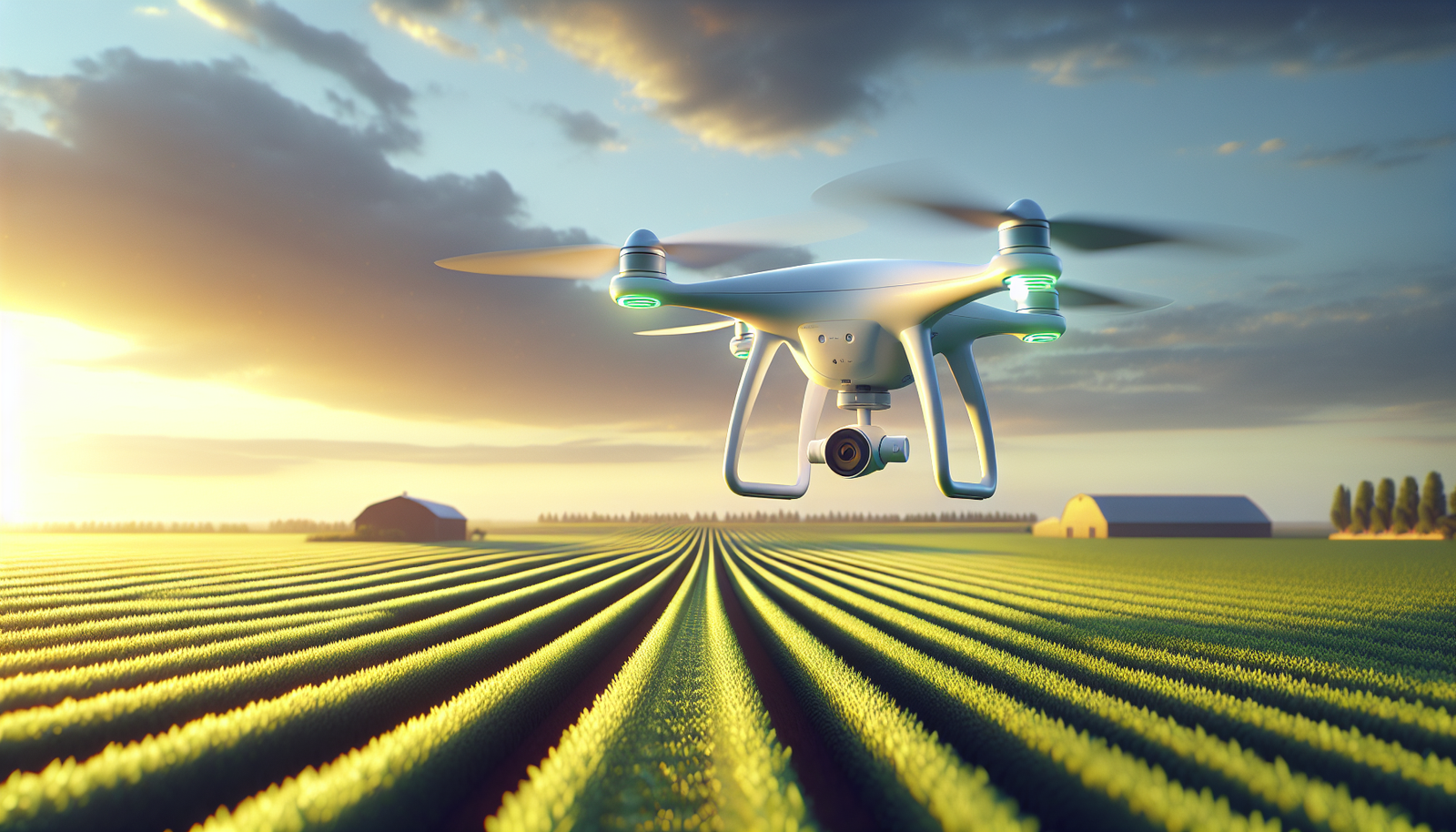
? Has the farmer next door ever flown a small machine and watched his corn stand straighter by evening?
Commercial drones boost farm yields
The farmer uses a drone. The drone gathers data and acts. The farmer sees growth in yield. This article shows how commercial drones change farming. It blends clear facts with light humor. It keeps language simple and sentences direct.
Why drones matter for modern farms
Drones collect data quickly. Drones cover fields faster than a person on foot. Drones spot problems before humans notice them. Farmers save time and cut costs. They apply inputs where plants need them. They reduce waste and raise yield.
The tone here stays friendly. The writing keeps a steady rhythm. The reader finds facts and a few wry notes about life on the farm.
How drones work in farming
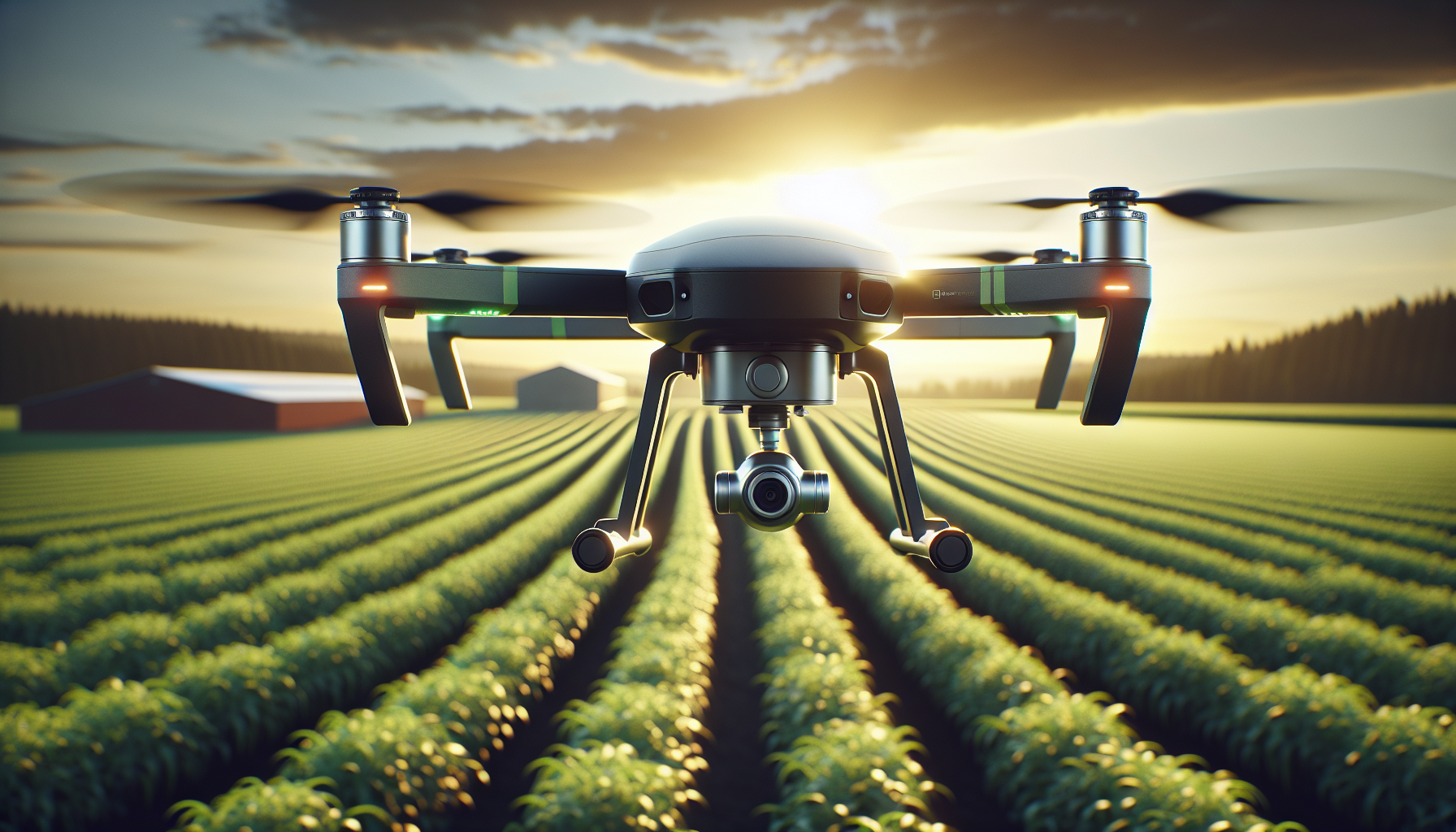
Drones lift sensors into the air. They fly preset paths. They capture images and other data. Ground software receives the files. The software turns raw data into maps. The maps show plant health, water stress, and pest damage.
A farmer watches a screen in a barn. The farmer sips coffee and points at a colored map. He or she plans the next task. The drone sets the plan in motion.
Flight planning and automation
Operators plan flights with easy software. The software sets the path and altitude. The drone follows the path without human steering. The operator monitors battery and signal. The operator returns the drone if weather changes.
This approach saves time. It reduces human error. It gives consistent data across fields.
Sensors and payloads
Drones carry cameras and other tools. RGB cameras capture visual images. Multispectral sensors capture specific light bands. Thermal cameras show heat patterns. LiDAR measures surface shape and height. Sprayer rigs carry liquid for foliar application.
Each sensor gives precise insight. Farmers choose sensors by crop and goal. Price and weight affect the choice.
Types of commercial drones used on farms
Drones come in many shapes. Small quadcopters work well for scouting. Larger fixed-wing drones cover big fields. Multirotors handle spraying tasks. Hybrid drones combine range and vertical lift.
The farmer picks a type based on field size, budget, and task. The list below helps compare types.
Drone type comparison
| Drone type | Strength | Typical tasks | Flight time |
|---|---|---|---|
| Small quadcopter | Maneuverable, low cost | Scouting, mapping small fields | 15–30 min |
| Large multirotor | Stable hover, payload capacity | Spraying, heavy sensors | 20–40 min |
| Fixed-wing | Long range, fast coverage | Mapping large fields | 30–90 min |
| Hybrid VTOL | Range + vertical takeoff | Mapping + targeted spraying | 30–60 min |
This table gives a clear view. The farmer balances coverage and payload.
Key drone sensors and their roles
Sensors drive value. Each sensor reads different signals from crops. Farmers combine sensor data for a full picture.
RGB cameras
RGB cameras record visible light. The images look like normal photos. Farmers use these images for basic scouting. They spot broken plants, weeds, and machinery tracks.
RGB images give a quick visual check. The software stitches images into maps. The maps show the whole field from above.
Multispectral sensors
Multispectral sensors read specific light bands. The sensors reveal plant health beyond visible light. Farmers detect stress before leaves change color. The software calculates indices like NDVI.
NDVI highlights photosynthesis activity. Farmers use NDVI to find weak zones. They direct inputs to those areas.
Thermal cameras
Thermal cameras measure temperature. Plants in water stress show higher canopy temperature. Thermal maps help with irrigation management. They also detect animal heat and machinery overheating.
Thermal data helps prioritize irrigation and check irrigation systems. Farmers reduce water use where plants remain cool.
LiDAR
LiDAR measures height and structure. It produces detailed surface models. Farmers use LiDAR for drainage planning and biomass estimates. It helps in managing terraces and erosion control.
LiDAR gives precise elevation data. Engineers and agronomists use this data for design and modeling.
Spray systems
Drones can carry tanks and spray nozzles. They deliver fertilizer or pesticide to targeted areas. Variable rate spraying reduces chemical use. The drone sprays only where the map shows need.
Sprayers must meet safety and regulation standards. Operators need training and permits in many regions.
Common drone applications on farms
Farmers use drones in many ways. The next sections list common applications. Each section explains uses and benefits.
Field scouting and monitoring
Drones scout fields faster than walking. They spot pests, disease, and nutrient problems. The drone collects images and identifies hotspots.
Farmers walk the fields less often. They use time for other tasks. The drone gives a daily or weekly update.
Precision spraying
Drones spray small plots quickly. They apply liquid inputs with precision. Farmers reduce chemical use and lower drift.
Drones reach wet or steep areas that tractors cannot. They reduce soil compaction because they do not touch the ground.
Mapping and area measurement
Drones create accurate maps. They measure field area and boundaries. They support planting plans and yield estimates.
A drone map saves time on manual surveys. The maps feed directly into farm management software.
Planting and seeding
Some drones drop seed pods into the soil. They plant cover crops and native plants. Drones work on rough or wet ground that suits no tractor.
Seed drones can plant at lower cost in remote areas. They speed restoration and reduce manual labor.
Irrigation management
Drones spot dry and wet zones. Farmers adjust irrigation zones based on drone data. They save water and target problem areas.
Irrigation savings lower costs and stabilize yields. The drone helps maintain consistent plant health.
Pest and disease detection
Drones detect early pest and disease signs. Multispectral cameras show changes before visual symptoms appear. Farmers act early and limit spread.
Early action reduces crop loss. It also reduces the need for broad-spectrum pesticide use.
Crop health and biomass estimation
Drones estimate plant biomass and health. They provide a baseline before harvest. Farmers adjust fertilization and harvest plans.
This data helps predict yield and schedule labor. It gives more predictable revenue.
Data processing and analytics
Drones produce many images. The images need processing. The software stitches images into orthomosaics. The software calculates indices and maps.
Agricultural platforms parse data into field zones. They highlight areas for action. The farmer reads the map and plans interventions. The process turns raw pixels into clear tasks.
Software workflow
The workflow follows steps. The drone collects images. The operator uploads images to software. The software processes images. The software creates maps. The farmer reviews maps and writes action items.
This stepwise flow keeps tasks clear. It reduces confusion on who does what.
Integration with farm management systems
Drone data fits into farm management systems. Fields, tasks, and budgets sync with maps. The software reports ROI and historic trends.
Integration cuts manual data entry. It helps with traceability for buyers and regulators.
Economic benefits and ROI
Drones cost money up front. They save money over time. The balance depends on farm size and tasks. The next table shows common cost and benefit items.
Typical costs and savings
| Item | Typical cost | Typical annual saving |
|---|---|---|
| Drone hardware | $1,500–$60,000 | N/A (one-time) |
| Sensors | $500–$30,000 | N/A (one-time) |
| Software subscription | $200–$5,000 | N/A (annual) |
| Pilot training | $200–$2,000 | N/A (one-time) |
| Labor savings | N/A | $2,000–$30,000 |
| Input savings | N/A | 5–30% less chemicals |
| Yield improvement | N/A | 1–15% higher yield |
These numbers vary by region and crop. The farmer must calculate specific ROI. The farmer should track both cost and benefit annually.
Return on investment examples
A vineyard owner buys a mid-range drone and sensor. The owner spots disease early and treats small areas. The owner saves on fungicide and avoids crop loss. The drone pays back in the second year.
A large grain farmer uses fixed-wing drones for mapping. The farmer optimizes fertilizer use across thousands of acres. The farmer reduces input cost and raises yield slightly. The drone pays back within a few seasons.
These examples simplify reality. They show common outcomes. The numbers depend on skill, crops, and local prices.
Regulations, licensing, and safety
Regulations govern drones. Many countries require registration. Many require pilot certification for commercial use. The rules cover weight, altitude, and line of sight.
Farmers must check local rules. They must follow flight restrictions near airports. They must follow airspace rules for spraying.
Safety best practices
Operators preflight-check the drone. The operator inspect batteries, propellers, and sensors. The operator check weather and wind. The operator keep a safe distance from people and livestock.
A safe operation reduces accidents. It also keeps the farm from costly fines.
Privacy and data responsibility
Drones capture images of neighbors and public areas. Operators respect privacy laws and local norms. They avoid flying over private property without consent. They secure and manage data responsibly.
The farmer keeps data safe. The farmer limits access and uses data for farm decisions.
Implementing drones on a farm
A stepwise plan helps. The farmer can start small. The farmer can scale up after success. The list below shows a suggested path.
Steps to get started
- Define goals. The farmer lists problems to solve.
- Assess fields. The farmer measures area and terrain.
- Choose a drone and sensors. The farmer picks tools by task.
- Train operators. The farmer gets certified pilots.
- Start flights. The farmer run short test missions.
- Process data. The farmer learn software tools.
- Act on results. The farmer apply targeted inputs.
- Measure results. The farmer track yields and costs.
The plan keeps risks low. The incremental approach lets lessons guide investment.
Training and staff roles
Small farms often have one operator. Larger farms create a drone team. The roles separate flight operations and data analysis. The operator flies and maintains drones. The analyst interprets maps and creates action plans.
Clear roles speed response. They reduce errors and miscommunication.
Maintenance and lifecycle management
Drones require maintenance. Batteries age and sensors drift. Propellers break and firmware updates arrive. The operator follow a maintenance schedule.
A maintenance plan extends drone life. The operator keep spare parts on hand. The operator log flights and repairs for audit and warranty.
Routine checks
Operators check batteries and connectors. They inspect propellers and motors. They test sensors and camera alignment. They update firmware when safe.
Routine checks prevent midflight failures. They protect crops and people.
Challenges and limitations
Drones help, but they do not solve all problems. Weather limits flights. Heavy rain and wind ground drones. Dense smoke or dust reduces sensor performance.
Batteries limit flight time and range. Bigger batteries add weight and reduce efficiency. Regulations may restrict spraying or night flights.
Data overload can confuse. Too many maps without clear actions do not help. The operator needs a plan for each dataset.
Common failure points
- Weather-related cancellations
- Poor data quality from low flight altitude or wrong sensor
- Battery degradation and midflight loss
- Inadequate training leading to crashes
- Software incompatibility with farm systems
These failures hurt early adoption. Farmers address them through training, planning, and backups.
Case studies and real-world outcomes
Case studies show varied success. The examples below use clear facts and results.
Vineyard case study
A small vineyard used a multispectral drone. The owner mapped vine vigor weekly. The owner detected downy mildew early. The owner treated only six percent of the area. The owner saved on fungicide and kept yield steady. The owner improved fruit quality for high-end buyers.
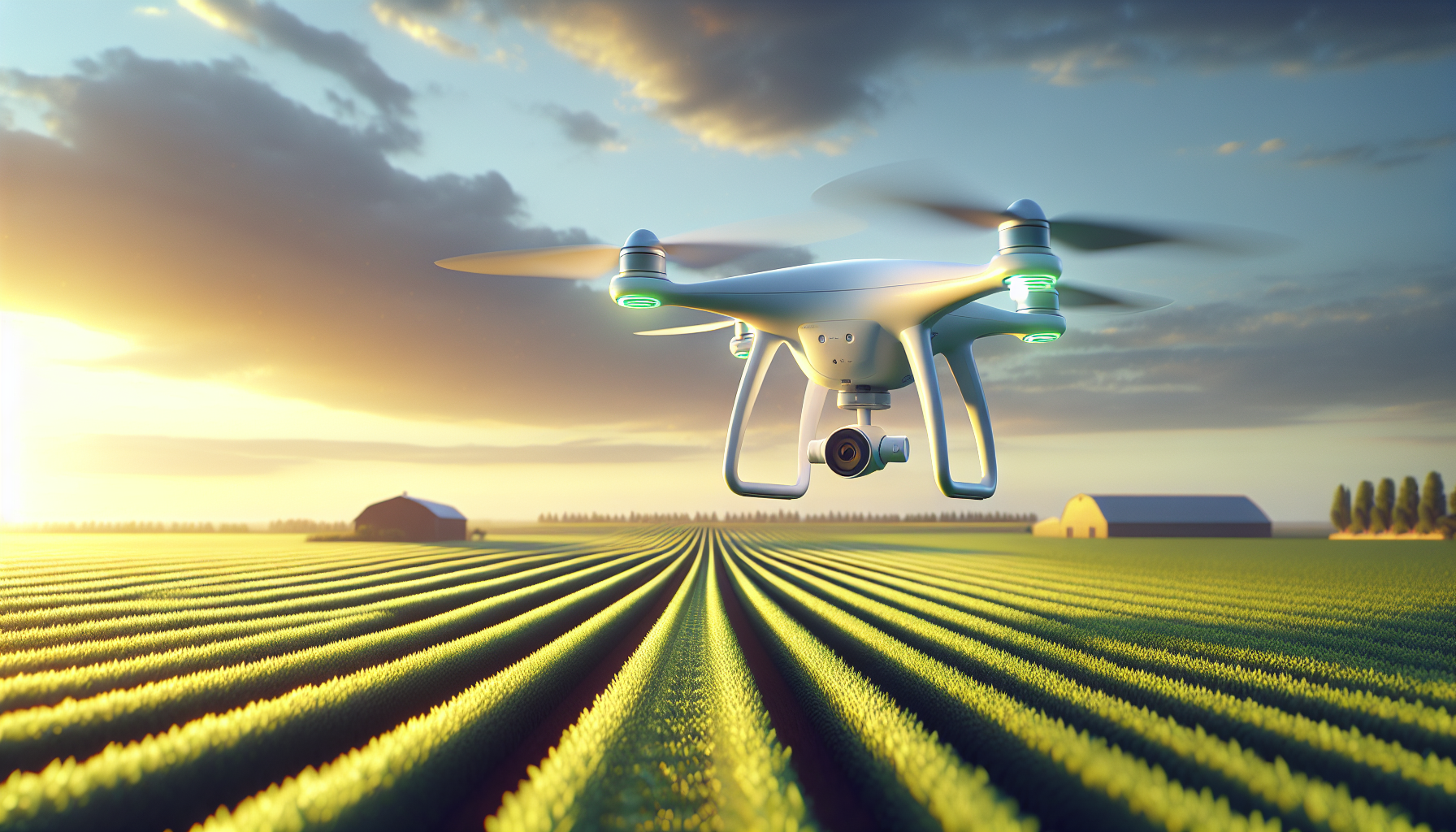
The vineyard owner told a neighbor about the savings. The neighbor watched the drone hover like a small hummingbird.
Large grain farm case study
A large grain farmer used fixed-wing drones for zone management. The farmer split fields into nutrient zones. The farmer applied variable-rate fertilizer. The farmer reduced fertilizer by 12 percent and raised gross yield by 3 percent. The farmer reported a positive ROI after two seasons.
The manager liked the clear maps. He kept them on a wall in the office and pointed at them during meetings.
Vegetable farm case study
A vegetable grower used a spray drone for targeted pest control. The drone treated wet, hilly beds that tractors could not reach. The grower reduced labor costs and crop damage. The produce arrived at market fresher and with fewer blemishes.
The grower kept a photo board of before and after images. Buyers noticed the improved quality.
Environmental impacts
Drones can reduce chemical use. They apply inputs precisely. They lower drift and off-target exposure. Drones can reduce tractor passes and soil compaction. They may lower greenhouse gas emissions from heavy machinery.
Targeted spraying can reduce water contamination. Precision input use helps local ecosystems.
Potential negative impacts
Drones add electronic waste when they retire. Batteries and sensors require recycling. Sprayer drones still use chemicals and require careful handling.
The farmer must plan for battery disposal and recycling. The farmer must follow safe chemical handling.
Choosing the right drone and tools
The farmer must match tools to goals. A simple scouting drone fits a small vegetable plot. A large sprayer drone fits a tall orchard or a rice paddy.
This selection table helps match needs.
Drone selection guide
| Need | Recommended drone type | Recommended sensor/payload |
|---|---|---|
| Quick scouting, small fields | Small quadcopter | RGB camera |
| Large-scale mapping | Fixed-wing | RGB + multispectral |
| Dense canopy inspection | Multirotor | Multispectral + thermal |
| Spraying/foliar feed | Large multirotor sprayer | Spray rig with flow control |
| Terrain and drainage planning | Hybrid or fixed-wing + LiDAR | LiDAR sensor |
The table gives a starting point. The farmer adjusts choices by budget and region.
ROI calculation and decision checklist
The farmer should run a simple ROI check. The calculation shows whether to buy, lease, or hire a service.
Basic ROI steps
- Estimate initial cost (drone, sensor, software, training).
- Estimate annual operating cost (software, maintenance, insurance).
- Estimate annual savings (labor, inputs, reduced loss).
- Estimate annual revenue increase (yield gain, quality premiums).
- Calculate payback period and net present value.
A short payback period supports purchase. A long payback suggests hiring a service or leasing.
Decision checklist
- Does the drone solve a clear farm problem?
- Does the farm have staff for flights and data?
- Are local regulations favorable?
- Is there a nearby service provider if needed?
- Does the budget cover maintenance and upgrades?
If the answers align, the farm proceeds. If not, the farm adjusts plans.
Vendors, service providers, and support
Many vendors sell drones and sensors. Service providers offer flights and analytics. The farmer chooses based on support, warranty, and local presence.
A local dealer helps with hardware and parts. A dedicated analytics provider helps with field-level insights. The farmer may combine both.
Questions to ask vendors
- What training do you provide?
- What is the warranty and repair timeline?
- Which software packages do you support?
- How do you handle data security?
- Do you offer financing or leasing?
Good answers reduce risk. The farmer keeps purchasing decisions practical.
Future trends and technology outlook
Drones will get better batteries. They will fly longer and carry heavier loads. Sensors will get cheaper and more accurate. Machine learning will interpret images faster.
Service models will grow. Farmers will hire local drone teams for seasonal peaks. Regulators may adapt rules for safe automated spraying. New hybrid systems will mix long range and vertical lift.
The farmer keeps an eye on trends. He or she reads trade news and attends local demos.
Anecdotes and human notes in the field
A farmer once flew a drone over a pasture. The dog chased the drone and became an instant comedian. The farmer laughed and paused the flight until the dog tired. The drone later found a broken fence panel near the trees. The farmer fixed the fence the next day and avoided lost sheep.
Another farmer used drone maps in a sales meeting. The buyer looked at the maps and nodded. The buyer liked the story and bought the lot. The maps made a clear case for quality.
These stories remind readers that the technology fits human life. It saves time and often creates small, memorable moments.
Common myths and clarifications
Myth: Drones replace farm workers. Reality: Drones change tasks but do not replace all workers. They reduce repetitive and risky tasks. Workers gain new roles in data analysis and drone operation.
Myth: Drones work in any weather. Reality: Wind and rain limit flights. Operators plan around weather windows.
Myth: Drone data is magic. Reality: Data helps only when paired with action. The farmer must act on maps to get results.
These clarifications prevent overselling. They set realistic expectations.
Best practices for scaling drone operations
Start small and scale with clear metrics. The operator document processes and checklists. The program builds templates for flight plans and analytics.
Centralize data storage and share results with the whole team. Review performance monthly. Adjust tactics based on evidence.
Scaling requires training, standardization, and a budget for upgrades. The farmer treats drones as part of farm capital, not as a one-off gadget.
Common software platforms and key features
Software matters as much as hardware. The farmer chooses platforms that support file formats and integrate with farm systems. Key features include mapping, NDVI calculation, zone creation, and export to variable-rate controllers.
Platforms also offer cloud storage and team access. The farmer values ease of use and support.
Key features checklist
- Accurate orthomosaic creation
- Vegetation index calculations
- Boundary and zone tools
- Export to common formats (e.g., shapefiles)
- Mobile and desktop access
- API integration with farm systems
Choose software that fits workflow. A clunky tool will slow adoption.
Insurance, legal protections, and contracts
Operators consider insurance for drones and liability. Insurance covers damage, theft, and third-party claims. Contracts with service providers should clarify data ownership and warranties.
The farmer reviews terms and seeks legal counsel for larger operations. Clear contracts protect both parties.
Measuring success and continuous improvement
Define KPIs before projects begin. Common KPIs include input reduction, yield change, labor hours saved, and ROI. Track KPIs over seasons. Adjust protocols and software based on results.
A feedback loop improves performance. The farmer learns from mistakes and refines flights and analysis.
Conclusion
Drones deliver actionable data. They reduce time, inputs, and risk. They improve plant health and yield in many cases. The technology fits many crops and farm sizes. Farmers who pair drones with clear goals often see gains.
The tone remains friendly and light. The farmer learns to treat the drone like a new helper. The drone hums above the field and points out what the farmer should fix. The farmer acts, and the field rewards the care.