

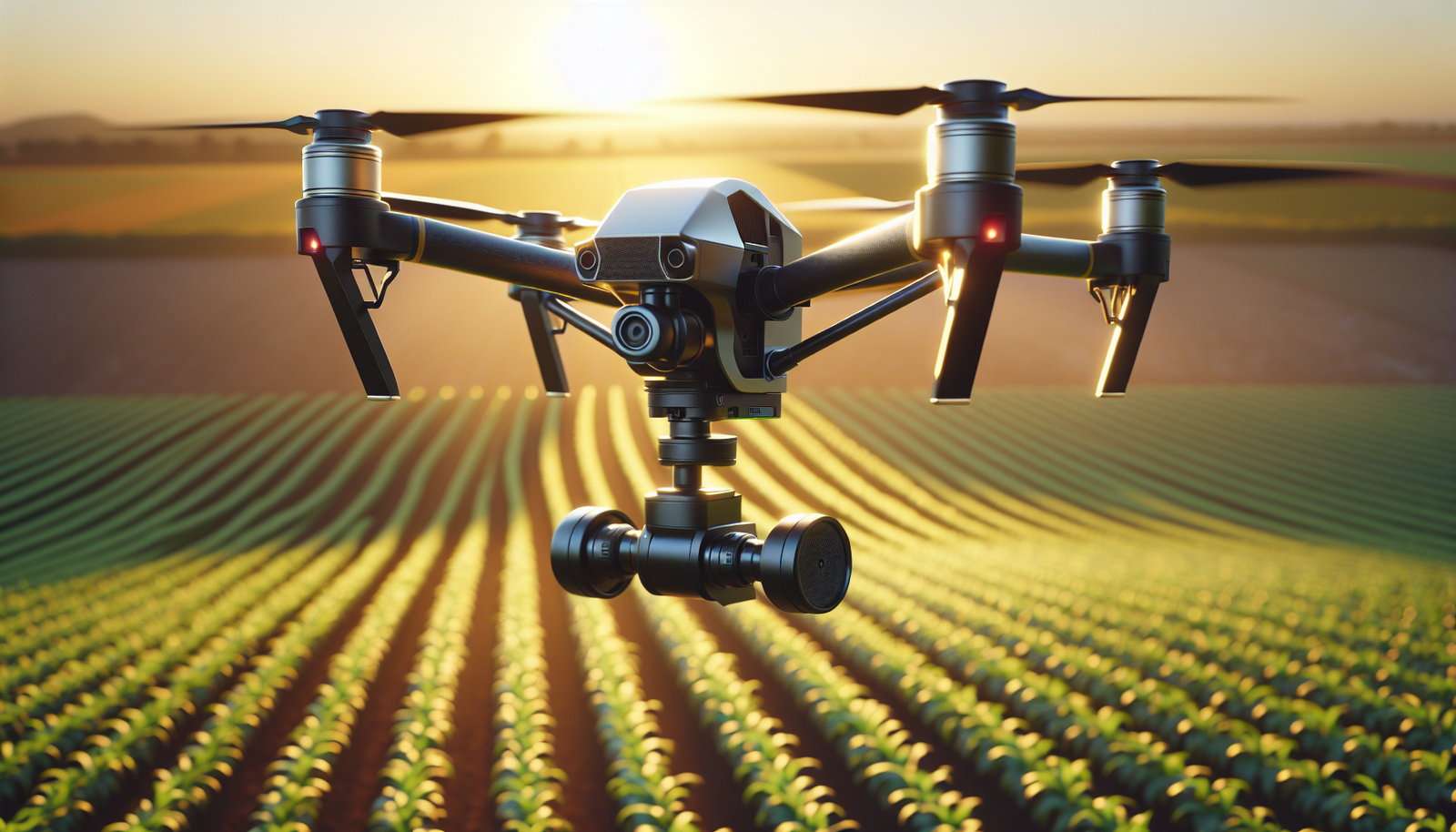
? Have we thought about how drones change how we care for our fields?
Drone surveys crop fields
We use drones to survey crop fields. We gather data more often than we did before. We reduce time spent walking fields. We see signs of stress early. We make better decisions about water, fertilizer, and protection.
What a drone survey is
We fly an aircraft that carries sensors over crops. The aircraft collects images and other data. We process the data into maps and reports. Those maps show plant health, plant count, soil condition, and water patterns. We use the maps to guide actions in the field.
Why we use drone remote sensing
We collect high-resolution data for manageable costs. We capture data at the scale of individual plants. We monitor changes across the season. We detect small problems before they grow. We link the data to field work such as spraying and irrigation.
Types of drones for field surveys
We choose drones that match our needs. We use small multirotor drones for quick checks and tight spaces. We use fixed-wing drones for large fields and long flights. We choose hybrid models when we need vertical takeoff and long range. We select models that carry our sensors safely.
Multirotor drones
We fly multirotors to hover and examine spots. We use them for small fields and complex terrain. We mount cameras and multispectral sensors easily. We keep flights short but targeted.
Fixed-wing drones
We fly fixed-wing drones to cover many hectares in one mission. We plan linear flight paths to get full field coverage. We prefer them when we need speed and long battery life. We use them for large commercial farms.
Hybrid drones
We choose hybrid drones when we need both hover and range. We take off vertically and then fly like a plane. We use them for mixed tasks. We accept higher cost for increased flexibility.
Sensors and payloads we use
We match sensors to the questions we ask. We choose RGB cameras for basic mapping and scouting. We choose multispectral cameras for plant health indices. We use thermal cameras to find water and heat stress. We use LiDAR for fine-scale height and structure. We also use hyperspectral sensors when we need detailed spectral signatures.
| Sensor type | What it measures | Typical use |
|---|---|---|
| RGB camera | Visible light images | Mapping, scouting, visual inspection |
| Multispectral camera | Selected bands including near-infrared | Vegetation indices, crop stress |
| Thermal camera | Surface temperature | Irrigation, heat stress, drainage issues |
| LiDAR | 3D point clouds | Canopy height, terrain models |
| Hyperspectral sensor | Many narrow bands | Disease detection, nutrient analysis |
We pick sensors that fit our budget and goals. We balance cost, weight, and data needs.
How we plan a survey
We set a clear objective before we fly. We ask what question we want to answer. We choose the sensor that best answers that question. We design the flight path to cover the target area with the needed overlap. We set ground control points if we need high absolute accuracy. We check local weather and light conditions before we fly. We schedule flights when light and wind are favorable.
Flight altitude and resolution
We set altitude to balance coverage and resolution. We fly lower for finer detail. We fly higher to cover more area per flight. We calculate ground sample distance (GSD) to meet our resolution needs. We make sure resolution matches the size of the features we want to detect.
Overlap and sidelap
We set frontlap and sidelap to ensure full coverage. We plan for 70-80% frontlap and 60-70% sidelap for photogrammetry. We increase overlap if wind causes image blur. We reduce overlap to save battery time when conditions are stable.
Ground control and accuracy
We place ground control points when we need precise coordinates. We use RTK or PPK systems for real-time or post-processing correction. We verify GPS quality before we process data. We record the GCP locations with the best receiver we have.
Flight operations and safety
We inspect the drone and payload before every mission. We verify battery charge and condition. We confirm memory and storage are adequate. We check propellers and mounts for damage. We set fail-safe options such as return-to-home. We keep clear lines of sight and follow regulations.
We brief the team before the flight. We assign roles for pilot, observer, and data handler. We mark takeoff and landing zones. We keep people and animals away from the flight path. We pause flights if conditions become unsafe.
Data capture best practices
We use consistent camera settings across a mission. We lock exposure and white balance to prevent variation. We collect calibration images if needed, such as reflectance panels. We record metadata such as time, UAV position, and sensor settings.
We capture sufficient overlap and flight lines to avoid gaps. We avoid flights during low sun angles that cast long shadows. We repeat flights at similar times to compare data across days or weeks. We store raw data safely and back up immediately after the flight.
Data processing workflow
We transfer images from the drone to our workstation as soon as possible. We organize files by date, field, and mission. We use photogrammetry software to build orthomosaics and 3D models. We perform radiometric correction when required. We calibrate multispectral images to surface reflectance using reference targets.
We create digital surface models (DSM) and digital terrain models (DTM) from imagery or LiDAR. We generate vegetation indices such as NDVI and NDRE. We clip maps to field boundaries for analysis. We export maps in formats that integrate with farm software.
Software we commonly use
We use open-source and commercial tools together. We choose tools that match our workflow and budget. The tools include flight planning apps, photogrammetry packages, GIS software, and machine learning toolkits.
| Task | Common tools |
|---|---|
| Flight planning | Pix4Dcapture, DJI GS Pro, UgCS |
| Photogrammetry | Agisoft Metashape, Pix4Dmapper, OpenDroneMap |
| GIS and mapping | QGIS, ArcGIS |
| Analysis and ML | Python, R, TensorFlow, scikit-learn |
We pick software we can maintain and update. We test new tools on small data sets before we change our pipeline.
Vegetation indices and what they tell us
We use indices to simplify raw reflectance into useful measures. We calculate NDVI to estimate green biomass and vigor. We use NDRE to focus on chlorophyll deeper in canopy. We use GNDVI for nitrogen content tracking. We select indices that align with crop type and growth stage.
We compute NDVI as (NIR – Red) / (NIR + Red). We interpret high NDVI as dense, healthy vegetation. We interpret low NDVI as sparse or stressed plants. We map these values across fields to direct scouting and action.
Common indices and use cases
| Index | Bands needed | What we learn |
|---|---|---|
| NDVI | NIR, Red | General plant vigor |
| NDRE | NIR, Red Edge | Chlorophyll and late season stress |
| GNDVI | NIR, Green | Nitrogen status |
| SAVI | NIR, Red (+soil adjustment) | Vegetation where soil is visible |
| Thermal index | Thermal band | Water stress and drainage |
We choose indices based on crop and stage. We validate index signals with ground truth data.
From maps to actions
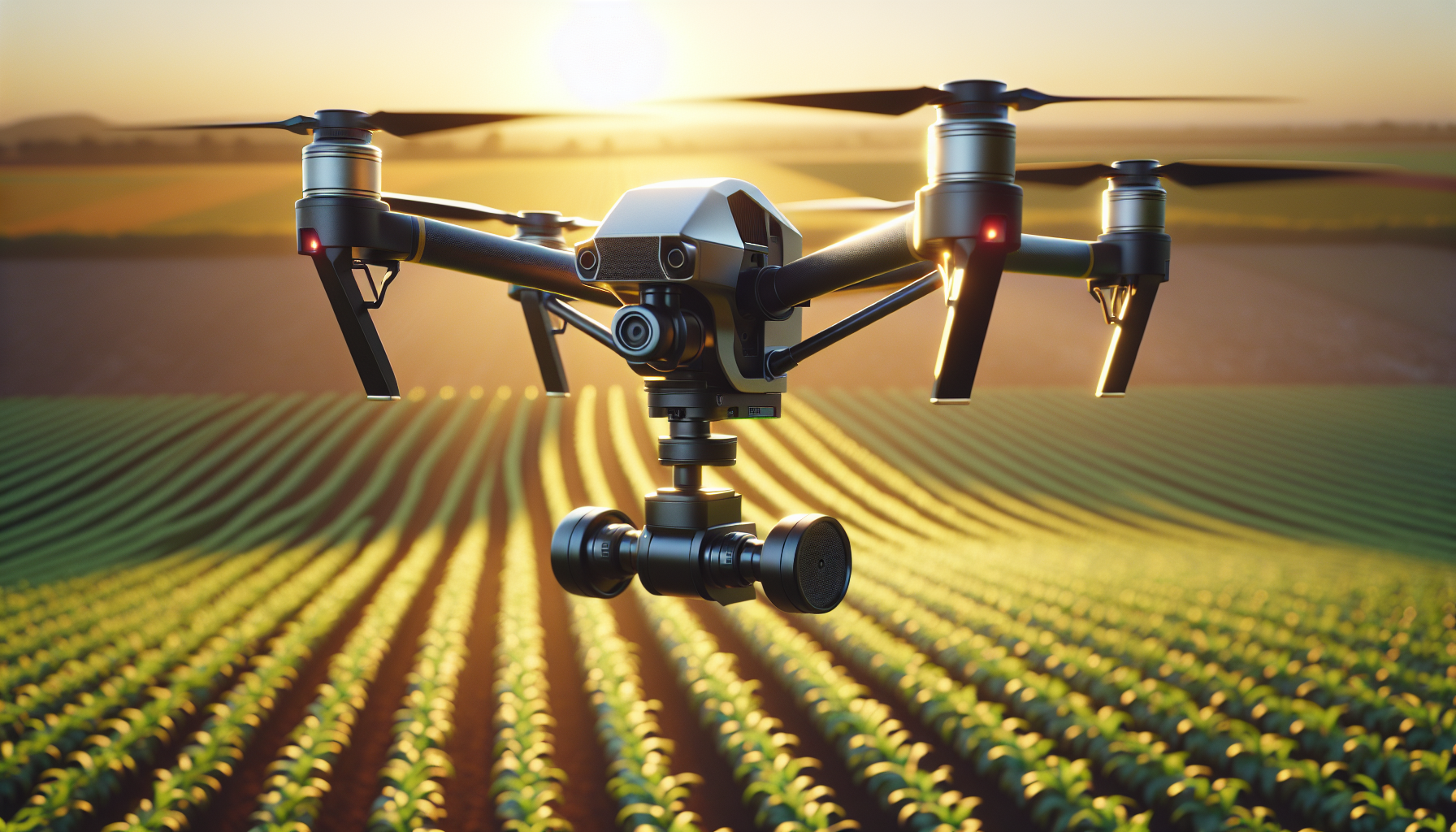
We interpret maps to plan field work. We mark zones that need irrigation, fertilizer, or treatment. We plan targeted scouting to confirm issues found in maps. We create prescription maps for variable-rate application. We track changes after action to confirm results.
We keep records of actions and their dates. We link field maps to yield data at harvest. We assess which interventions produced gains. We refine our plans each season based on data.
Yield estimation and mapping
We estimate yield by combining plant counts, canopy cover, and indices. We use models that relate canopy metrics to yield. We collect ground samples to calibrate those models. We validate estimates with harvest data. We update models when crop types or practices change.
We use repeated surveys to track growth curves. We compare predicted yield to actual yield to improve predictions. We use yield maps to plan storage and logistics.
Irrigation management
We use thermal and multispectral data to detect water stress. We map moisture patterns across the field. We plan irrigation to match crop need and soil capacity. We reduce water waste by applying only where it helps yield.
We measure the effect of irrigation changes with follow-up flights. We adjust schedules and amounts based on data and plant response. We monitor drainage issues and areas that hold water too long.
Pest and disease detection
We scan for subtle changes in reflectance that signal stress. We map hotspots that may indicate insect pressure or disease. We send teams to verify the cause and extent of the problem. We treat only the affected zones whenever possible.
We repeat surveys to monitor spread and treatment success. We link imagery to pest models to predict risk. We use drones to document outbreaks for record keeping.
Plant counting and emergence mapping
We count seedlings and plants using high-resolution imagery. We map emergence patterns and detect gaps early. We plan replanting or targeted reseeding based on counts. We use automated algorithms to speed the counting process.
We validate counts with sample checks on the ground. We refine algorithms when crop geometry or planting patterns change. We store counts in field records to track establishment success across seasons.
Soil and topography mapping
We derive elevation and slope from photogrammetry or LiDAR. We map micro-topography that affects water flow and deposition. We identify low spots that collect water and high spots that dry out fast. We use maps to design drainage and machine paths.
We also use reflectance to infer surface soil condition such as residue cover and compaction indicators. We combine soil maps with plant data to target amendments and improve uniformity.
Accuracy and validation
We measure accuracy of our maps with ground truth data. We use GPS measurements or surveyed points to measure horizontal and vertical error. We compare index values to plant samples for biochemical validation. We report accuracy metrics with our deliverables.
We keep error sources in mind. We track sensor calibration, flight stability, and processing settings. We document each step so we can reproduce results and find causes of discrepancies.
Regulations, privacy, and permissions
We check local rules before we fly. We register aircraft if required. We ensure pilots hold correct certifications when law demands them. We secure landowner permission for flights over private property. We avoid flights over crowds and sensitive sites.
We respect privacy. We avoid capturing images of people and homes beyond what we need for the farm. We store data securely and follow retention rules. We manage access to maps to protect farm data.
Safety and risk management
We assess hazards before each mission. We identify power lines, trees, and structures near the flight area. We plan contingency options for lost signal and low battery. We carry spare batteries and basic repair tools.
We train staff on emergency procedures. We run practice flights in safe areas. We keep logs of maintenance and incidents. We review near misses and update our processes.
Costs and return on investment
We track all costs of drone surveying. We include drone purchase, sensors, software, training, and labor. We compare those costs to savings in inputs, yields gained, and time saved. We use simple ROI models to evaluate investments.
We show examples where targeted spraying saved input costs. We show cases where early stress detection raised yields. We consider scale, crop value, and frequency of surveys when we compute ROI.
Implementing drone surveys step by step
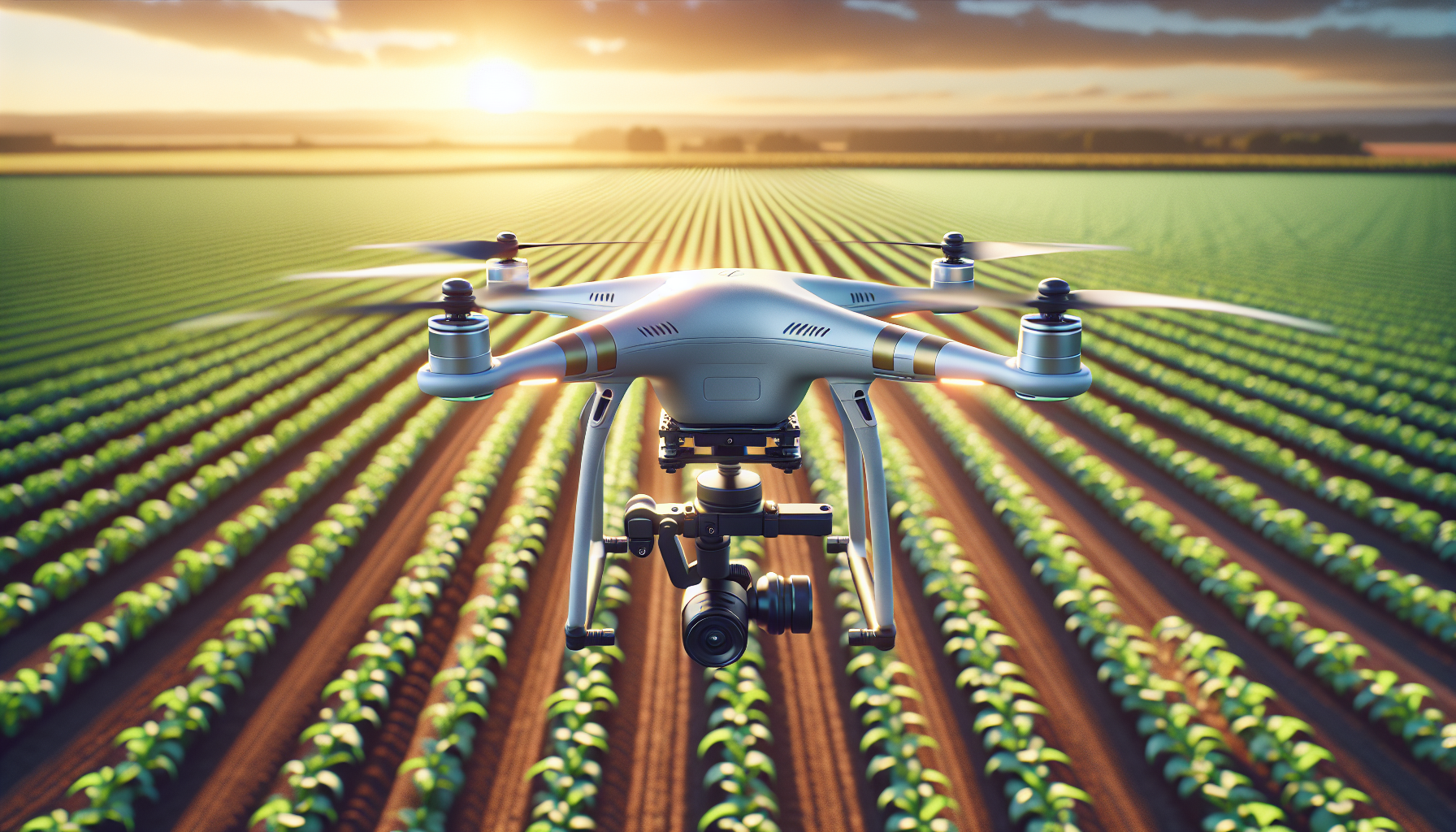
We start with a small pilot on a few fields. We set clear questions for the pilot. We choose a simple sensor and a reliable drone. We test flights and processing on a small scale. We compare results with ground checks.
We refine our workflows based on pilot findings. We scale up gradually when we trust our process. We train operators and build data handling capacity. We document each step to keep knowledge in the team.
Example rollout plan
| Phase | Tasks |
|---|---|
| Pilot | Select fields, fly simple missions, validate data |
| Evaluation | Measure accuracy, check ROI, refine protocols |
| Scale-up | Add sensors, expand to more fields, train staff |
| Integration | Connect data to farm management systems, automate reports |
We set milestones and review progress regularly. We adjust the rollout speed based on results and resources.
Case study 1: Small vegetable farm
We worked with a small vegetable farm that had compact fields. We flew a multirotor with an RGB and multispectral sensor weekly. We mapped emergence, disease spots, and irrigation stress. We guided spot treatments that saved fertilizer and pesticides.
We saw faster recovery after stress when we intervened earlier. We reduced manual scouting time by half. We improved yield consistency across fields. We kept detailed logs to show the value of the approach.
Case study 2: Large cereal farm
We helped a large cereal farm that spanned thousands of hectares. We used fixed-wing drones with multispectral sensors. We covered many hectares per flight. We used NDVI maps to create variable-rate nitrogen prescriptions.
We tracked application effects with repeat flights. We optimized nitrogen use and lowered cost per ton. We improved yield uniformity across the farm. We documented the savings and the seasonal trends.
Case study 3: Orchard management
We worked with an orchard to monitor canopy health and irrigation. We used LiDAR and multispectral sensors to map canopy volume and chlorophyll content. We mapped water stress and pests across blocks.
We tailored pruning and irrigation plans from the data. We improved fruit quality by focusing resources on the weaker trees. We reduced water and labor waste. We maintained records to guide future decisions.
Challenges and limitations
We face technical limits such as battery life and sensor weight. We handle data volume and processing time. We manage variability from weather and sun angle. We deal with areas of dense canopy that limit under-canopy views.
We also face human and organizational limits. We need trained staff to run flights and analyze data. We need consistent procedures to produce reliable results. We set realistic expectations for what drone surveys can and cannot do.
Common pitfalls and how we avoid them
We avoid overflying in bad light and wind. We avoid mixing datasets without calibration. We do not rely on a single flight for major decisions. We always verify suspicious hotspots on the ground before large treatments.
We keep clear documentation for each mission. We perform routine sensor calibration and maintenance. We cross-check data from different sensors and seasons to avoid false conclusions.
Integrating drones with other data sources
We combine drone data with satellite imagery for broad context. We use soil tests, weather data, and machinery logs together with aerial maps. We create dashboards that link these layers for easy decisions. We train models on combined datasets to improve predictions.
We also sync drone maps with variable-rate applicators and central farm management systems. We provide prescription maps in formats that machines accept. We keep standards in file formats to avoid conversion errors.
Machine learning and automation
We use automated workflows to process large volumes of images. We apply computer vision to count plants automatically. We train models to detect disease signatures and to map weeds. We validate models with ground samples and update them regularly.
We use scripts to speed repetitive tasks. We set up alerts when indices cross thresholds. We maintain human oversight so we intervene when required.
Data management and storage
We plan for large storage needs. We compress images where possible without losing needed detail. We use cloud services for collaboration and backup. We set version control for processed maps and raw data.
We define retention policies and access controls. We document metadata so future users can understand how data was collected and processed. We secure sensitive farm data and share it only with authorized people.
Scaling operations
We build a repeatable process as we scale. We standardize flight plans, naming conventions, and processing settings. We centralize training and quality checks. We invest in tools that speed processing for larger datasets.
We set metrics to measure performance and impact. We monitor time per mission, processing time, and data quality. We adjust staffing and hardware as the workload grows.
Future trends we expect
We expect sensor costs to fall while performance rises. We expect battery life and flight range to improve. We expect software to automate more of the workflow and to offer better analytics out of the box. We expect integration with farm machines to become easier and more common.
We also expect tighter links between drone data and predictive models for yield, disease risk, and water needs. We anticipate more off-the-shelf solutions for specific crops and problems. We plan to test new tools as they appear and to keep refining our practices.
Choosing a service provider or building in-house
We weigh pros and cons of hiring a provider or building our own team. We hire providers to get quick access to expertise and hardware. We build in-house when we need regular surveys and direct control of data.
We compare costs, service levels, and data ownership. We ask for references and sample deliverables. We run a trial assignment before we commit long-term.
Legal and ethical considerations
We follow laws that govern airspace and data privacy. We respect other people’s property and personal data. We document consent and permissions for data collection. We apply ethical standards for data use and sharing.
We keep clear policies about who can access raw imagery and processed maps. We keep records of how long we keep data and how we protect it.
Practical checklist before each survey
| Step | Action |
|---|---|
| Objective | Define the question the survey answers |
| Equipment | Charge batteries, check sensors, memory |
| Permissions | Confirm airspace and landowner approvals |
| Weather | Check wind, rain, and light conditions |
| Flight plan | Load flight lines, overlap, altitude |
| Safety | Mark zones, brief team, assign roles |
| Calibration | Capture reflectance panels if needed |
| Backup | Plan for data transfer and storage |
We use this checklist every time to reduce errors and save time.
How we measure success
We set clear metrics such as yield gain, input savings, time saved, and accuracy of maps. We track those metrics each season. We compare fields that used drone-guided interventions to fields that did not. We adjust our methods based on those results.
We keep a log of decisions made from drone data. We measure outcomes and update our protocols accordingly. We treat this as a continuous improvement cycle.
Final thoughts
We find that drone surveys change how we observe and act on our fields. We move from reactive work to more proactive care. We use precise maps to focus labor, inputs, and time. We reduce waste and raise the odds of better yields.
We also know that tools do not replace judgment. We use maps to guide human decisions and checks. We invest in training, clear workflows, and accurate validation. We keep our focus on the questions we need to answer and choose technology that helps us get clear answers.
We can plan, fly, analyze, and act in a way that fits our operation. We can improve our choices season after season. We keep refining our approach as sensors and software change. We look forward to using drone remote sensing to make our work smarter and more efficient.