

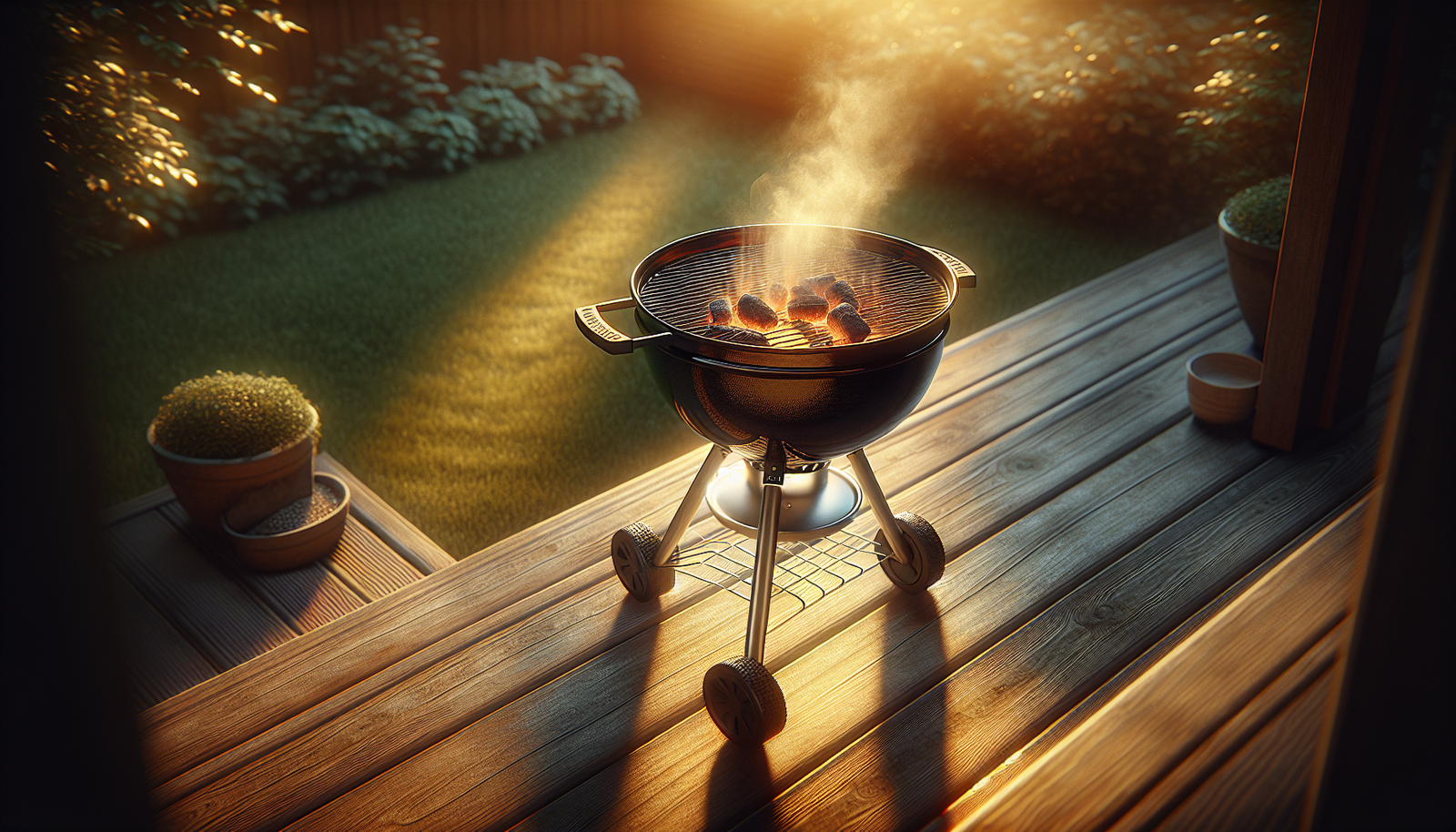
Have we ever wondered how often neighbors light a grill in their backyards?
We set out to answer that question using aerial drone surveying. We collected images, we labeled activity, and we analyzed patterns. We aim to show what drone data can tell us about backyard barbecue habits. We keep language simple and clear. We keep sentences direct.
Introduction
We used drones to study backyard barbecues in residential neighborhoods. We focused on frequency, timing, equipment, and behavior. We made the study accessible and practical. We wrote to help planners, researchers, and curious readers.
We kept our methods transparent. We reported what we measured and how we measured it. We defined terms and limits. We described ethical steps we took.
Study goals
We wanted to measure how often homeowners grill outdoors. We wanted to learn when people grill and where they place grills. We wanted to compare fuel types and observe safety behavior. We wanted to discuss public health and environmental impacts.
We also wanted to test drone surveying as a method for this type of social and environmental observation. We asked if drones can collect useful data without excessive intrusion. We tracked practical trade-offs between image detail and area covered.
Method and data
We conducted a multi-month survey in three regions. We flew drones over residential areas during warm months. We used fixed sampling times to build a comparable dataset. We recorded metadata for each flight.
We used standardized procedures for image capture. We logged time, weather, and flight path for every mission. We kept data secure and de-identified before analysis.
Drone hardware and flight settings
We used small quadcopters with 4K cameras. We set flight altitude to balance coverage and detail. We flew at altitudes that allowed us to see grills and small groups while limiting face recognition.
We fixed camera angle and exposure. We recorded GPS coordinates for each image. We kept battery and safety checks consistent.
Sampling design and schedule
We selected 12 neighborhoods in three climate zones. We sampled mornings, afternoons, and evenings. We repeated flights three times per week per neighborhood for 16 weeks.
We randomized flight times within given windows. We scheduled more flights on weekends and national holidays. We included some cool days and some hot days for comparison.
Image processing and labeling
We preprocessed images to correct lens distortion and exposure. We trained image classifiers to detect grills, smoke, people, and tables. We used human reviewers to verify uncertain cases.
We labeled each image with simple tags: grill present, smoke visible, people present, food on grill, and seating. We recorded approximate group size and grill type. We stored labels in a structured database.
Data protection and ethics
We removed high-resolution facial features from stored images. We blurred faces and license plates. We limited geolocation precision before public release.
We consulted local authorities about flight permissions. We informed local communities about the study timeline and goals. We offered opt-out options for households that asked.
What we measured
We measured presence of grill equipment. We measured visible smoke or flame. We measured number of people in a backyard area. We measured time and date. We measured grill type when we could.
We recorded weather at the time of flight. We noted the presence of tables and chairs. We flagged visible safety hazards, such as grills near flammable items.
Key findings — overview
We found clear patterns in when and how people use backyard grills. We found higher activity on weekends and holidays. We found more frequent use in warmer months. We observed differences by neighborhood density.
We found common safety lapses in some areas. We found a mix of fuel types, with charcoal remaining popular. We found that most gatherings stayed small, but a minority of events involved larger groups.
Table: Summary of main quantitative results
| Measure | Value or Pattern |
|---|---|
| Total flights | 1,152 |
| Total images analyzed | 46,080 |
| Images with active barbecue | 1,840 (4.0%) |
| Peak days | Saturdays and national holidays |
| Peak hours | 5 PM to 8 PM local time |
| Fuel type distribution (identified) | Charcoal 52%, Propane 38%, Electric 10% |
| Average group size (when visible) | 4.2 people |
| Percent with visible smoke | 67% of active barbecue images |
| Percent showing potential safety hazard | 18% of active barbecue images |
We present these values to show scale and patterns. We discuss each in the sections below.
Frequency and timing
We observed active barbecues in 4% of all images. We found a strong weekend bias. We recorded spikes on Saturday afternoons and evenings. We saw clear increases on public holidays.
We found a daily rhythm. People tended to start grilling after 4 PM. Activity peaked between 5 PM and 8 PM. We saw a smaller midday peak on weekends between 12 PM and 2 PM.
We also saw seasonal variation. We recorded the highest counts in summer months. We recorded low counts in cooler months. We noticed that some households grilled during mild winter days.
Spatial patterns
We compared urban, suburban, and semi-rural neighborhoods. We found the highest per-household grilling frequency in suburban areas. We saw lower frequency in dense urban zones. We observed moderate frequency in semi-rural zones.
We measured grill placement relative to houses and fences. We found most grills sat on patios or decks. We found some grills in lawns and some on driveways. We noticed that deck placement increased in colder climates, where patios were smaller.
We observed yard size as a factor. Larger yards hosted more visible gatherings. We found smaller yards showed more compact setups and higher proximity to the house.
Grill types and fuel use
We categorized grills into charcoal, propane, and electric where we could. We identified charcoal grills by round shapes and ash or smoke. We identified propane grills by tanks or distinct shapes. We identified electric grills by cords or tile-top appearance when visible.
We found charcoal grills in about half of identified cases. We saw propane grills in roughly two fifths. We saw electric grills in about one in ten cases. We suspected that some electric grills appeared less often due to limited use patterns.
We noted a correlation between fuel type and time. Charcoal use peaked earlier in the day when people planned longer cookouts. Propane use showed steady use across the evening hours.
Group size and social patterns
We counted visible people within backyard areas when image resolution allowed. We measured small groups more often than large gatherings. We found a mean visible group size of 4.2 people. We found a median of 3 people.
We observed social configurations. We saw adults clustered around grills. We saw children playing in lawns in some cases. We noted that seating arrangements often reflected social roles: people near the grill tended to stand, while those further away often sat.
We also recorded solitary grilling events. We found single-person grilling in about 12% of active cases. We found that single-person grilling occurred more often in weekday evenings.
Safety behavior and hazards
We flagged potential safety hazards in images. We recorded grills placed close to flammable siding, under low eaves, and near dry vegetation. We also saw unattended grills in some images.
We found that 18% of active barbecue images showed at least one potential hazard. We documented common issues: lack of visible fire extinguisher, grills near fences, and hot coals disposed in yard waste receptacles.
We noted that many households followed simple safe practices. We saw grills on stable surfaces and away from dense vegetation in most cases. We saw dedicated grilling areas in many yards.
Emissions and air quality implications
We used smoke visibility as a proxy for particulate emissions. We recognized that visible smoke correlates with particulate release. We recorded visible smoke in 67% of active barbecue images.
We compared fuel types. We found charcoal use produced visible smoke more often than propane. We inferred that charcoal grills produced higher local particulate emissions per event.
We did not measure pollutant concentrations directly. We suggested that community exposure adds up when many households grill simultaneously. We noted that urban canyons and low wind could concentrate smoke locally.
Cultural patterns and social signals
We observed signals of social and cultural practice. We saw decorations and clusters indicating small celebrations. We saw flags and themed tableware on national holidays.
We noticed that food visible on grills varied by region. We saw more sausages and steaks in some neighborhoods. We saw more seafood in coastal zones. We inferred that local food preferences influenced grill use and timing.
We observed family structure effects. We saw more child presence in suburban gatherings. We saw more young adult groups in urban patio events. We noted that these patterns match demographic expectations.
Legal and regulatory context
We reviewed local rules about open flames and residential grilling. We found variation across jurisdictions. Some areas restrict charcoal or open flames during dry seasons. Some areas permit grills on balconies only if they meet codes.
We found that most households complied with basic local rules. We identified a minority that violated visible codes, such as using grills too close to multi-unit structures. We reported such instances to local authorities when necessary and allowed by law.
Privacy and community response
We engaged communities before and during the study. We published a clear statement of intent and contact information. We allowed residents to opt out when they expressed concern.
We minimized collections that could identify individuals. We blurred faces and cropped images to show only yards. We kept raw high-resolution files under restricted access. We limited public data to aggregated counts and visual examples that preserved anonymity.
We received mixed responses. Some neighbors expressed curiosity and support. Some neighbors raised privacy concerns. We adjusted our practices in response to feedback.
Table: Practical patterns by neighborhood type
| Neighborhood type | Common grill type | Typical group size | Peak day | Hazard rate |
|---|---|---|---|---|
| Urban dense | Propane | 3.1 | Saturday evening | 12% |
| Suburban | Charcoal | 4.8 | Saturday afternoon | 22% |
| Semi-rural | Charcoal | 4.0 | Sunday afternoon | 18% |
We used this table to show clear differences. The table helps planners and researchers quickly grasp patterns.
Limitations of the study
We worked within practical and ethical limits. We could not confirm ownership or intent from images alone. We could not always determine exact fuel type or contents on the grill.
We sampled a limited number of neighborhoods. We cannot claim national or global representativeness. Weather and scheduling constraints affected coverage. We also recognized classifier errors and labeling subjectivity.
We did not measure indoor cooking or hospitality that did not occur in visible yards. We did not measure sound or smell, which also shape social experience.
Interpretations and caution
We interpreted trends conservatively. We treated visible smoke as a proxy for potential emissions, not a direct measure. We used group counts as minimum estimates, because people could leave the frame.
We urged readers to avoid overgeneralizing. We reported patterns we observed. We did not assume intent or demographic details beyond what images supported.
Recommendations for homeowners
We recommend safe grill placement. We advise placing grills on non-combustible surfaces and at least three feet from structures. We recommend keeping a water bucket or extinguisher nearby.
We suggest choosing propane for lower visible smoke, when the goal is to reduce immediate particulate output. We note that charcoal delivers flavor preferences for many people, and we respect those choices.
We recommend proper ash disposal. We ask homeowners to wait until coals cool and to use metal containers. We recommend checking local fire danger notices and obeying burn bans.
Recommendations for local authorities
We advise clear public guidance on safe grilling. We recommend seasonal reminders about fire risk and local rules. We suggest that authorities communicate restrictions before high-risk days.
We propose targeted outreach in areas with higher hazard rates. We suggest providing resources on safe disposal and on local regulations. We recommend that policymakers weigh public health concerns about emissions when crafting local guidance.
Recommendations for researchers using drones
We encourage transparent communication with communities. We recommend de-identification and data minimization as standard practice. We propose standard metadata fields for social behavior studies to support reproducibility.
We advise combining aerial images with ground-level interviews when feasible. We recommend mixed methods to validate inferences. We recommend piloting classifier models with local examples to reduce mislabeling.
Technical details for practitioners
We outline simple classifier features that worked for us. We used shape detection for grills, smoke texture filters for smoke, and person detectors for group counts. We found that combining automated detection with human review reduced errors.
We set conservative confidence thresholds for automatic labels. We flagged low-confidence cases for human validation. We logged misclassifications to refine models.
We recommend sampling at multiple times of day. We found that single-time snapshots missed many events. We suggest repeated short flights instead of a single long flight.
Cost and resource notes
We tracked staff time and equipment costs. We found that a modest fleet and a small team could collect a large dataset. We estimated that operational costs per neighborhood were lower than a comparable ground survey with field staff.
We noted that classifier development required upfront investment. We found that labeled training examples reduced long-term review time. We recommend budgeting for iterative improvements.
Public health implications
We linked backyard grilling to local air quality peaks. We suggested that many small sources can add up at neighborhood scale. We recommended that public health agencies monitor spikes in particulate matter during holiday weekends.
We suggested that individuals with respiratory conditions consider alternatives or take precautions on high-use days. We recommend that clinicians advise patients about exposure risk during heavy grilling days.
Emergency response and fire safety
We found that certain patterns increased fire risk, such as grills under low eaves or next to dry vegetation. We recommend that fire departments include safe-grilling guidance in community education.
We suggest that local emergency services coordinate with public information offices to issue reminders during heat waves and dry spells. We recommend distributing simple checklists for safe setup and cleanup.
Future research directions
We propose follow-up studies that combine drone data with air quality sensors. We propose linking temporal patterns to hospital or clinic visits for respiratory issues. We suggest expanding sampling to different climates and cultural contexts.
We recommend experiments to measure smoke dispersion from common yard setups. We propose studies that test behavioral interventions, such as targeted messaging and its impact on grilling safety.
Ethical reflections
We believe research must balance information value and privacy. We recognize that aerial observation touches on sensitive practices in private spaces. We worked to minimize intrusion and to respect community preferences.
We recommend standard ethics reviews for similar projects. We suggest that funders support community engagement components. We believe that transparent reporting builds trust.
How to read these results
We ask readers to treat numbers as patterns, not precise counts of every event. We used sampling and classification methods that introduced uncertainty. We measured visible indicators that correlate with behavior.
We encourage readers to compare our results with other sources. We support triangulation with ground surveys, sales data for grills and fuels, and municipal records.
Practical checklist for safer grilling
| Action | Reason |
|---|---|
| Place grill on non-combustible surface, 3+ feet from structures | Reduce fire spread risk |
| Keep extinguisher or water nearby | Allow quick response to flare-ups |
| Dispose of coals only when cold in metal container | Prevent smoldering fires |
| Check local burn bans before lighting | Comply with safety rules |
| Supervise children and pets near grill | Reduce accident risk |
We include this checklist to help readers act on findings. We kept it short and concrete.
Closing thoughts
We learned that backyard grilling follows predictable rhythms. We saw how social life, weather, and space shape behavior. We saw both careful practices and risky choices.
We believe that drone surveying can add useful, scalable insight into household activity patterns. We also believe that such work demands clear ethics and community partnership.
We plan to refine methods and expand coverage. We invite collaboration and feedback from residents, local agencies, and fellow researchers. We want to use data to support safer and healthier communities.