

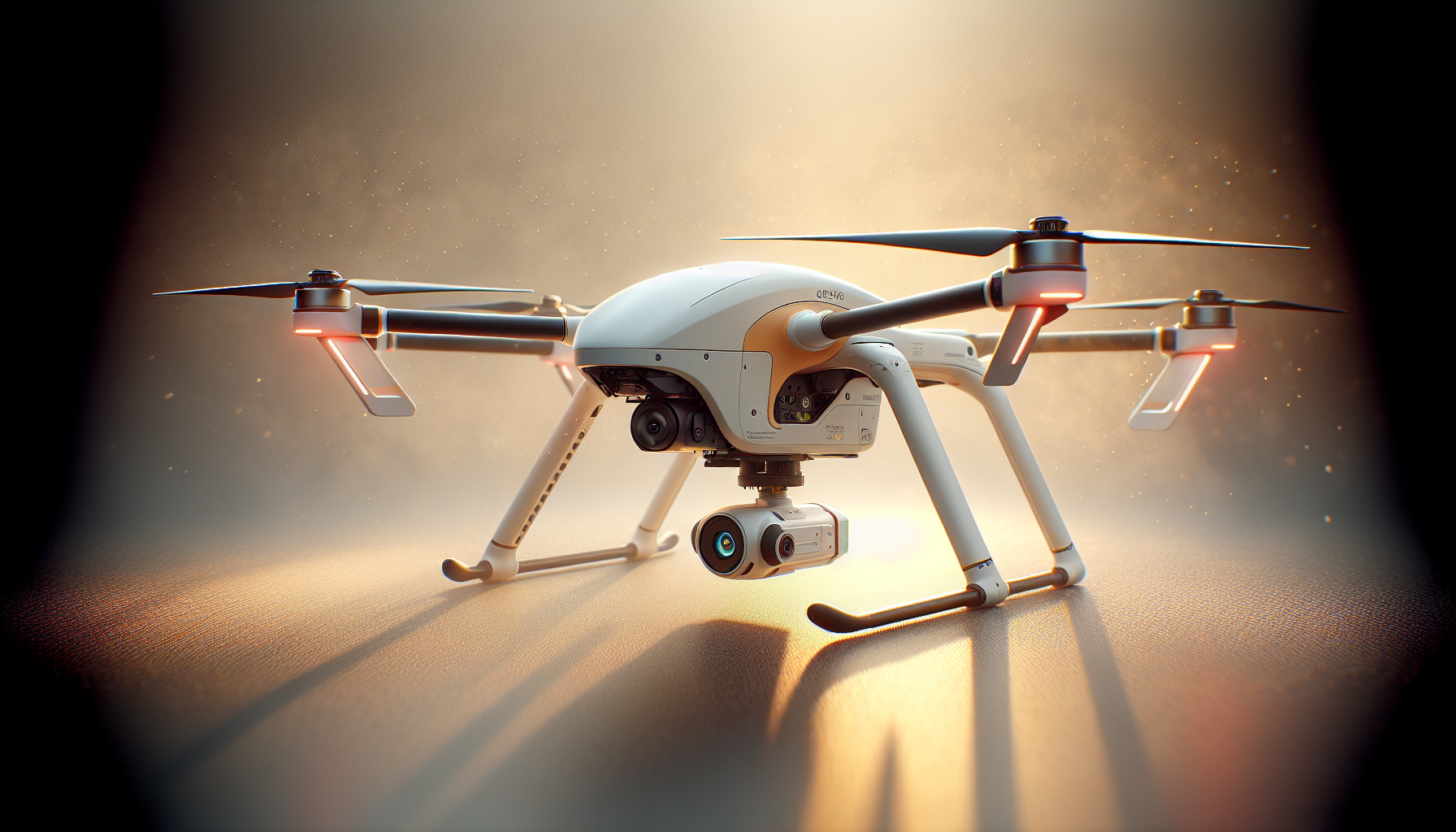
Have you considered how a LIDAR drone could speed our surveys and improve safety on every job?

Wingtra LIDAR Drone — quick overview
We will describe what the Wingtra LIDAR drone does and why it matters for survey teams. We will focus on practical benefits, field use, and workflow improvements that help us deliver results faster.
The Wingtra system pairs a fixed-wing VTOL platform with survey-grade sensors. We can capture LIDAR, high-resolution RGB, multispectral, and more with one aircraft. The platform emphasizes speed, safety, and an integrated workflow from planning to final files.
Who should read this
We wrote this for surveyors, GIS teams, engineering firms, environmental consultants, and public agencies. We assume readers want efficient data capture and clear steps to get deliverables out the door.
We will keep technical detail practical and applicable. We will avoid jargon and keep sentences clear and direct.
Core value proposition
We can complete large-area surveys faster than multicopters or ground crews. We can also fly over roads and populated areas with added safety measures. The result is faster delivery of CAD-ready files and fewer field visits.
The platform reduces manual steps and file juggling. We plan, fly, process, and deliver in one connected workflow. That reduces errors and helps us get the right data the first time.
Typical performance metrics
We will list the key figures that show the system speed and efficiency. These metrics give a clear basis for planning and for comparing alternatives.
- We can survey 100 ha (250 ac) in about 10 minutes.
- We operate 40% faster than the previous WingtraOne GEN II.
- We run about 10x faster than typical multicopter operations for the same area.
- We are about 30x faster than terrestrial survey methods over the same area.
Key specifications
We will present the main hardware and sensor specs so we can check fit for purpose quickly. The specs focus on what affects data quality and operational planning.
| Spec | Detail |
|---|---|
| Camera | 61 MP full-frame RGB |
| LIDAR | High-performance survey LIDAR payload (swappable) |
| Flight time | Up to 59 minutes per mission |
| Coverage rate | Survey 100 ha in 10 min (typical) |
| Navigation | GPS + GLONASS with PPK module |
| Wind resistance | Up to 27 mph |
| Safety | Parachute add-on, obstacle avoidance, dual telemetry with LTE |
| Certification | FAA Category 3 OOP certified (for certain operations) |
| Warranty | 12 months limited; optional extended services available |
We will use these specs to plan mission duration, battery needs, and sensor choice.
Sensors and payload flexibility
We will explain the sensor options and how quick swaps reduce downtime. Sensor choice affects resolution, point density, and deliverable type.
The system supports six swappable sensors. We can swap sensors and batteries in seconds. We do not need tools or cables for swaps. This lets us move from RGB mapping to LIDAR or multispectral in one field session.
61 MP full-frame camera
We will cover how the camera affects image-based deliverables. The camera delivers high detail with lower overlap needs.
The 61 MP sensor captures more ground per image. We use fewer flight lines and lower overlap for the same coverage. This reduces flight time and post-processing load.
LIDAR payload
We will describe LIDAR strengths for vegetation penetration, ground modeling, and high-accuracy 3D data. LIDAR gives direct distance measurements that work in low-light and dense vegetation.
We can collect high-density point clouds suitable for millimeter-level inspection and accurate terrain models. The LIDAR payload integrates into the same flight platform and workflow as the camera sensors.
Multispectral and other sensors
We will note multispectral use for vegetation health, crop mapping, and environmental monitoring. Additional payloads expand the platform use cases.
We can add multispectral modules to capture NIR and other bands. We can then deliver orthomosaics, NDVI maps, and multispectral stacks from one flight.
Flight performance in the field
We will explain practical field performance and how it affects scheduling and logistics. Flight performance includes speed, endurance, and stability.
Adaptive speed controls let us match flight pace to required resolution. The drone automatically adjusts speed to maximize coverage for the requested output. We can therefore complete projects in fewer flights and shorter windows.
The long flight time supports larger areas per sortie. We can often finish a survey in a single flight, which reduces setup and battery changes.
Wind, stability, and reliability
We will cover how the drone handles wind and how redundancy improves safety. Stable GNSS and the PPK module ensure position quality.
The drone resists winds up to 27 mph. We can fly in many common field conditions and still collect reliable data. The system includes a backup battery design that helps the aircraft return home if one battery fails mid-flight.
Obstacle avoidance and airspace awareness
We will explain how the platform reduces collision risk and supports complex airspace. These features help us focus on data capture instead of constant manual avoidance.
The drone detects static obstacles like cranes and trees up to 100 meters ahead. Obstacle avoidance acts during cruise flight and reduces the chance of mid-air collisions. The system also connects to live airspace data over cellular. We can see other aircraft and avoid conflicts in real time.
Safety systems and compliance
We will outline the safety features that help us meet regulatory requirements and protect people on the ground. These systems help when we fly over roads and near people.
The parachute add-on deploys automatically or manually. The parachute helps protect people below and may reduce the need for waivers and delays. Dual telemetry plus onboard LTE keeps telemetry alive if the radio link drops. This helps future-proof BVLOS operations.
The platform carries FAA Category 3 OOP certification for certain operations. We can use these approvals to plan flights in urban areas, subject to local rules. We will always check local regulations and get necessary approvals before flight.
Integrated workflow: plan, fly, process
We will describe the single workflow from planning to CAD-ready deliverables. The integrated approach reduces steps and sources of error.
We unpack the system, power on, follow the interactive checklist, and launch. Setup typically takes under five minutes and requires no sensor calibration. Flight planning and mission control use the same software that feeds the processing pipeline.
WingtraRAY integrates planning, flight logs, and processing. We do not need multiple apps or file converters. This tight integration accelerates our time to deliverables. We can generate CAD-ready files the same day.
Data capture speed and post-processing
We will explain how fast capture pairs with streamlined processing to shorten overall project time. Rapid capture is only useful if processing keeps pace.
We capture data quickly with fewer flights because sensors capture more per image and because adaptive speed maximizes coverage. The processing pipeline uses the raw captures and PPK corrections to produce georeferenced point clouds, orthomosaics, and CAD-ready outputs. We can then export formats that fit client workflows.
Set up and field workflow
We will list the steps we take in the field and explain the practical time savings. Clear, repeatable steps reduce training and operator error.
- Unpack and power on device.
- Open the tablet and run the interactive checklist.
- Plan flight area and sensor settings.
- Launch and monitor mission.
- Recover aircraft and swap batteries or sensors as needed.
- Process data using the integrated workflow.
We can complete setup and launch in roughly five minutes. The checklist reduces the chance that we forget a key step.
Battery and sensor swaps
We will explain how simple swaps save time and keep productivity high. Quick swaps keep our crew moving through multiple tasks.
We swap batteries and sensors without tools or cables. A swap takes seconds, not minutes. This speed helps when we have short flight windows or changing mission objectives.
Data accuracy and georeferencing
We will describe positioning, PPK, and factors that affect accuracy. Accuracy matters for engineering, cadastral, and other precision tasks.
The PPK module provides high-accuracy georeferencing. We collect GNSS raw data that we can post-process to reach survey-grade coordinates. Dual GNSS (GPS + GLONASS) improves satellite availability and fixes.
We recommend ground control for projects that require the highest absolute accuracy. PPK reduces the need for extensive ground control, but we still use GCPs when clients require strict tolerances.
Point density and resolution choices
We will explain how sensor choice and flight parameters affect point density and final deliverables. We help readers pick settings that balance speed and detail.
We change flight altitude and speed to control ground sampling distance (GSD) and LIDAR point spacing. Flying lower or slower increases point density and resolution. We use the 61 MP camera to capture detail with fewer images, which reduces overlap needs and speeds collection.
Applications and use cases
We will list typical tasks where the Wingtra LIDAR drone brings clear value. Each use case explains why the platform fits well.
- Topographic surveys: We map terrain quickly for planning and design.
- Corridor mapping: We survey roads, rail, and utility corridors with fewer flights.
- Construction monitoring: We produce volume calculations and site progress models.
- Vegetation and forestry: We measure canopy height and structure using LIDAR.
- Environmental assessment: We map terrain and habitats with multi-sensor outputs.
- Mining and aggregates: We run stockpile surveys and pit mapping with high accuracy.
- Inspection and millimeter-level tasks: We perform detailed inspection with high-resolution sensors.
For each case, we can choose the sensor and flight plan that matches client needs. The platform helps us deliver faster and with reliable data.
Comparison with multicopters and terrestrial methods
We will compare speed, coverage, and practical trade-offs between Wingtra and other options. This helps us justify purchases or job bids.
Fixed-wing VTOL flight gives longer endurance and higher cruise speed compared to multicopters. We cover more ground per flight and reduce battery swaps. Multicopters give more hover and vertical control but require more flights for large areas.
Terrestrial methods give high local accuracy but they take far more time. For large-area mapping, our aerial approach is commonly 30x faster than ground-based surveys. This lets us finish jobs sooner and bid for more work.
Mission planning tips
We will offer practical tips to get the best results in real projects. Simple rules avoid common mistakes.
- Plan missions to fit single-flight coverage when possible. This reduces stitching complexity.
- Use adaptive speed settings that match your required resolution. Speed affects point density.
- Check live airspace information before flight. This avoids conflicts and delays.
- Bring spare batteries and a charged tablet. Preparation cuts downtime.
- Use the interactive checklist every time. The checklist reduces human error.
We will keep our planning routine repeatable to deliver consistent results.
Processing, deliverables, and file formats
We will detail the common outputs and how they integrate with client workflows. Deliverables must be usable by engineers, planners, and GIS teams.
We process LIDAR point clouds, generate classified point sets, create digital terrain models (DTM) and digital surface models (DSM). We also produce orthomosaics and dense photogrammetric point clouds from the RGB camera.
Common export formats include LAS/LAZ for point clouds, GeoTIFF for rasters, and standard CAD formats for contours and meshes. We ensure the workflow produces CAD-ready files that clients can open directly in their tools.
Same-day delivery
We will show how the integrated workflow supports same-day deliverables. This capability helps win fast-turnaround contracts.
Because the planning, capture, and processing tools work together, we reduce file conversions and app switching. We often deliver georeferenced point clouds and orthomosaics the same day we fly, when mission size and processing resources allow.
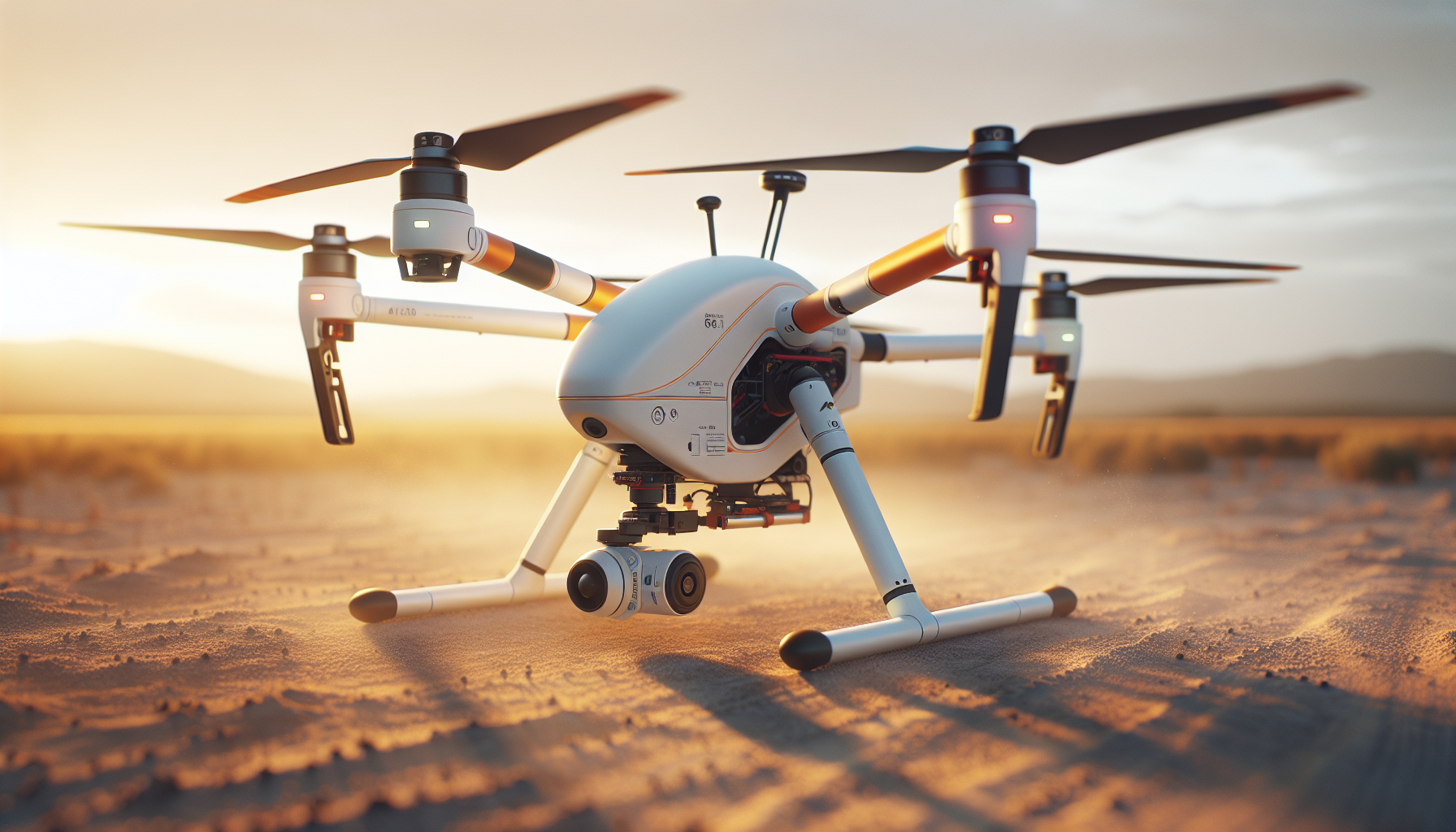
Operation in urban and sensitive environments
We will explain how safety features and approvals help with urban work. We will still remind readers to follow local rules.
The parachute reduces ground risk and helps us gain approvals to fly over people or roads in some jurisdictions. Obstacle avoidance and live airspace data reduce the chance of conflicts. Dual telemetry ensures we maintain situational awareness even if one link degrades.
We always check local authorities and seek necessary permits. The platform helps us meet safety expectations, but we remain responsible for lawful operation.
Maintenance, spare parts, and field support
We will cover routine maintenance and options for support. A clear maintenance plan reduces downtime and extends service life.
We inspect airframe, propellers, and sensors regularly. We follow the manufacturer checklist for battery care and storage. Spare parts and quick replacement of props and batteries help us stay productive in the field.
The package can include software updates and third-tier support. We can purchase extended warranty and service plans to match our operational needs.
Warranty and extended services
We will explain the standard warranty and options for extension. Warranties reduce financial risk for buyers.
The product carries a 12-month limited warranty. We can buy extended service options, including a second-year warranty through the manufacturer. Extended service often includes software updates and higher-tier technical support.
What comes in the box
We will list the included hardware and accessories for quick inventory checks. This list helps prepare for initial setup.
| Item | Quantity |
|---|---|
| Wingtra RAY Mapping Drone | 1 |
| Tablet TabActive 3 | 1 |
| Telemetry Module (2.4 GHz) | 1 |
| Flight Batteries | 2 |
| Flight Battery Charger with Dock | 1 |
| Battery Charger Cable | 1 |
| T10 Torx Screwdriver | 1 |
| USB-C/SD Adapter | 1 |
| Hardcase | 1 |
| PPK Module | 1 |
| Operating System & Essential Apps | Included |
| Software Updates & Third Tier Support | 3 years (bundle) |
| Wingtra 1 Year Limited Warranty | Included |
We will check the shipment on arrival and register the product for support and updates.
Practical checklist before each mission
We will provide a concise pre-flight checklist we can use every time. A checklist ensures we do not miss safety steps.
- Inspect airframe and propellers.
- Check battery charge and health.
- Confirm sensor mounting and secure connections.
- Run the interactive tablet checklist.
- Verify live airspace data and local permissions.
- Confirm parachute readiness if installed.
- Plan flight path and adaptive speed settings.
- Ensure PPK base or reference method is ready.
- Launch when conditions meet our safety margins.
We recommend following this checklist every time, without shortcuts.
Training and ease of use
We will explain how the system supports operators with different experience levels. The platform lowers the barrier to high-quality data capture.
The tablet app guides operators through planning and the pre-flight checklist. WingtraRAY makes data capture repeatable and accessible. We can train new operators quickly and still maintain survey-grade outputs.
We will still invest time in training for advanced tasks like PPK processing and calibration for specific sensors. Proper training ensures consistent deliverables.
Cost considerations and return on investment
We will discuss how speed and reduced field time affect overall project economics. Faster surveys and same-day deliverables can change bid strategy.
We expect faster area coverage to reduce personnel hours per project. We can bid more jobs in the same timeframe. We can also reduce rework by getting the right data on the first pass. These factors increase our throughput and can shorten the payback period on the investment.
We will compare operating costs to multicopters and ground crews when estimating ROI. We will include battery life, maintenance, and software subscriptions in our calculations.
Typical project workflows and timelines
We will outline sample timelines for common project sizes to help plan resources. Clear timelines help manage client expectations.
Small site (10 ha): We plan and fly in under 30 minutes and process results within a few hours.
Medium site (100 ha): We fly in about 10 minutes for data capture, then process and deliver within the same day if compute resources are available.
Large site (500+ ha): We plan multiple sorties or use multiple batteries and process data across a few sessions. We stage processing to produce interim deliverables while final stitching completes.
We adjust timelines according to client requirements and data complexity.
Regulatory and airspace considerations
We will summarize key regulatory concerns and how the platform helps with compliance. Rules vary, so we will keep guidance general.
We must follow national and local drone rules. We will check no-fly zones, altitude limits, and requirements for flying over people. The parachute and FAA Category 3 approvals can support operations over people in some jurisdictions. We will still seek local approvals and follow the law.
We maintain logs and flight records for accountability. The integrated system keeps detailed logs that help with compliance and quality assurance.
Troubleshooting common issues
We will list simple troubleshooting steps for common field problems. Fast fixes keep us on schedule.
- Loss of telemetry: Check dual telemetry link and onboard LTE as backup.
- Sensor not recognized: Re-seat the sensor and restart the tablet app.
- Weak GNSS fixes: Move to an open area or wait for satellite visibility.
- Battery not charging: Try alternate charger port and check cable health.
- Processing errors: Check raw data completeness and PPK base data.
We keep spare cables and replacement parts to reduce delays.
Final recommendations
We will sum up our practical guidance for teams considering this platform. Clear recommendations help with decision making.
We recommend the Wingtra LIDAR drone when we need fast, large-area surveys with high-quality output. We prefer it when we want quick field setup, simple sensor swaps, and an integrated workflow that reduces manual processing. We also recommend extended support plans if we expect heavy use or critical deadlines.
We should always match sensor choice and flight parameters to client accuracy needs. We should also verify local regulations and secure necessary approvals before urban flights.
Summary and next steps
We will close with a direct summary of the main benefits and action items. This helps teams move from evaluation to purchase or testing.
The Wingtra LIDAR drone gives us faster coverage, flexible payloads, and an integrated workflow from planning to CAD-ready files. Safety features like the parachute, obstacle avoidance, and dual telemetry improve field confidence. We can reduce time on site, increase project throughput, and deliver results faster.
Next steps we can take:
- Arrange a demo flight or request sample data.
- Evaluate payload packages that match our use cases.
- Plan a pilot project to compare output to our current methods.
- Consider extended service and training options for team readiness.
We will use a clear checklist and mission plan for our first flights, and we will document results to measure time savings and data quality.
For questions or to plan a field test, we can compile our project requirements and reach out to the manufacturer or an authorized dealer. We will assess sensor options, compute needs, and support plans to match our operational goals.