

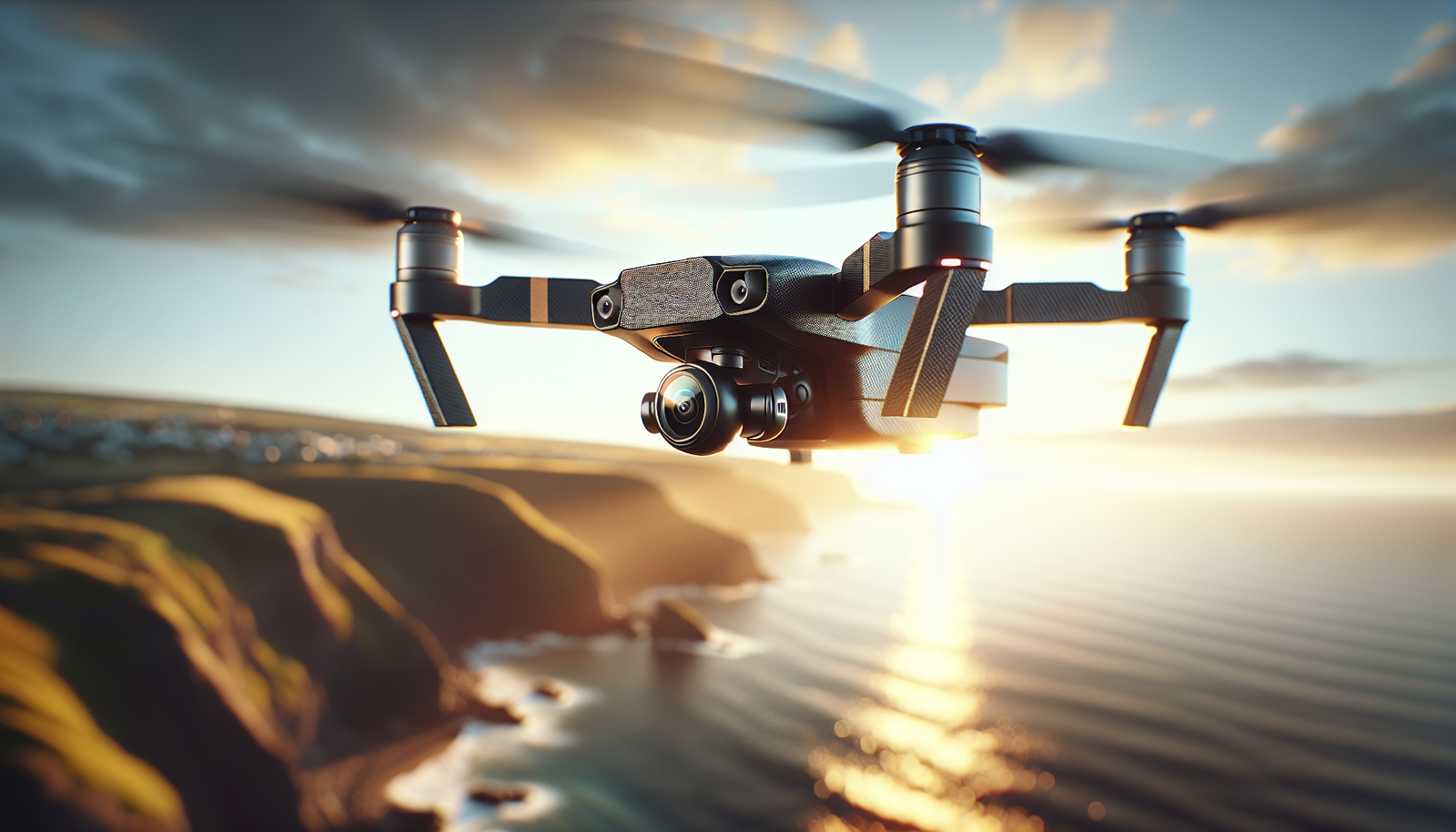
? Have we ever thought how a small aircraft can change the way we film scenes and tell stories?
FPV drones simplify aerial filming
We think FPV drones change how we capture motion. We use them to get shots that once required cranes, helicopters, or long rigs. We can move fast, stay close to actors, and record angles that feel alive. We write this so filmmakers, hobbyists, and technicians can adopt FPV tools with care and clarity.
What are FPV drones?
We call them FPV drones when pilots fly with a camera feed sent to goggles. We see the view from the aircraft in real time. We control the craft manually with a radio controller. We design these systems for speed, agility, and direct visual feedback.
How FPV works
We mount a camera that sends video to a transmitter. We put a receiver in the goggles to get the feed. We use a flight controller to read stick inputs and sensor data. We power motors and props from a battery. We tune settings to match the pilot and the shot.
Why FPV simplifies aerial filming
We find FPV drones reduce setup time. We find crews can work with fewer people. We get creative freedom with camera paths. We cut the cost of many complex rigs. We move from static aerial shots to active, kinetic shots with less logistics.
Direct control and reduced crew
We put one pilot behind the goggles. We assign a spotter to watch airspace and people. We can remove the need for a separate camera operator because the pilot flies and frames simultaneously. We save time on coordination. We lower personnel cost.
Cost and equipment
We buy an FPV rig for a fraction of a helicopter or a rental drone with a full cine package. We choose parts according to need. We repair or replace parts quickly. We spend less on permits, transportation, and crew when we use FPV for many shots.
Maneuverability
We fly close to objects and actors. We change direction in a few seconds. We perform dynamic moves that look organic. We reach tight spaces that larger systems cannot access. We capture motion that feels lived-in and present.
Close-proximity shots
We push the camera near a face, a hand, or an object without risk of collision with fixed rigs. We keep the aircraft small enough to avoid major injury when we plan safely. We create intimate angles that show detail and emotion. We place the camera where larger rigs would block the action.
Speed of deployment
We carry a compact kit. We assemble and test the rig on location in minutes. We get airborne and film quickly. We avoid long setup windows. We respond to light and weather shifts in the same way a handheld camera crew does.
FPV versus traditional aerial systems
We present a clear comparison so readers can decide which tool fits their needs.
| Feature | FPV drones | Traditional cinema drones |
|---|---|---|
| Crew size | Small | Larger |
| Setup time | Short | Longer |
| Cost (typical) | Lower | Higher |
| Agility | Very high | Moderate |
| Close-quarters work | Excellent | Limited |
| Stabilization | Depends on mount and pilot | Often strong hardware gimbals |
| Legal complexity | Varies by region | Varies by region |
| Post-production work | May require more stabilization | Often cleaner straight from camera |
We use this table to show trade-offs. We do not argue that FPV replaces other tools. We say FPV adds a practical option for many scenes.
Types of FPV drones for filming
We choose the type of drone based on shot needs. We list the common types and what each suits best.
Cinewhoop
We pick cinewhoops for very close shots and indoor work. We note they have ducted props for safety and stable slow flight. We mount action cameras or lightweight cinema cameras. We use them near actors and set pieces.
Freestyle
We use freestyle frames for expressive moves and acrobatics. We rely on pilot skill to keep shots steady. We place a lightweight camera for cinematic framing. We prefer this type when we want organic, kinetic motion.
Long-range
We select long-range rigs when we need wide, sweeping shots with extended flight time. We load larger batteries and often a higher-quality camera. We keep them away from crowds and work with permissions.
Race-style cine
We adapt race frames for fast, tight passes. We tune them for stability while maintaining speed. We choose this type when we need quick tracking or chase sequences.
| Type | Best use | Typical camera |
|---|---|---|
| Cinewhoop | Close indoor shots | Action cam / lightweight cinema |
| Freestyle | Kinetic, artistic moves | Small form factor cameras |
| Long-range | Sweeps, tracking | Mirrorless, small cinema cameras |
| Race-style cine | Chases, passes | Compact cinema rigs |
We use this table to guide equipment planning. We think about safety and the scene before we pick a frame.
Key components and setup
We describe the parts that matter. We keep each section short and specific.
Frame
We choose weight and size first. We select a frame that fits the camera and the propellers. We look for stiffness and repairability. We balance between durability and weight.
Motors and propellers
We match motors to frame weight and battery configuration. We pick propellers for thrust and sound. We test mounts to avoid vibration. We keep spares for field repairs.
Flight controller and ESC
We choose a flight controller that supports the firmware we want. We pair it with ESCs that handle the current draw. We tune PID and filters to the pilot and rig. We keep firmware updated for stability.
Batteries
We pick battery capacity and discharge rating to match flight time and power draw. We balance flight time against weight. We inspect batteries for damage each time we fly. We store them safely when they are not in use.
Camera and video transmitter (VTX)
We mount a camera for the FPV feed and a camera for recording. We decide if the FPV camera will double as the main footage or serve only as a guide. We select a VTX frequency and power based on range needs and local rules. We secure antennas to reduce breakage.
FPV goggles
We choose goggles for clarity, latency, and comfort. We test fit to ensure long use does not strain us. We keep extra foam and straps on set. We always check signal quality before a shot.
Camera stabilization and mounting
We use several options for stable images. We describe the choices.
Mechanical gimbals
We mount a 3-axis gimbal when we need very smooth footage. We balance the camera carefully. We tune motor strength for the camera weight. We use these rigs for high-end cinematic looks.
Digital stabilization
We use digital stabilization in flight controllers or cameras for small shakes. We accept some crop in the frame as a trade-off. We pair digital stabilization with smooth piloting for best results.
Vibration isolation
We add soft mounts between camera and frame. We use foam or rubber dampeners. We reduce high-frequency vibration that causes rolling shutter issues. We test different materials to find the right balance.
Mount position
We pick a mount position that keeps the center of gravity stable. We test forward and angled mounts to match shot style. We keep wiring tidy to avoid interference.
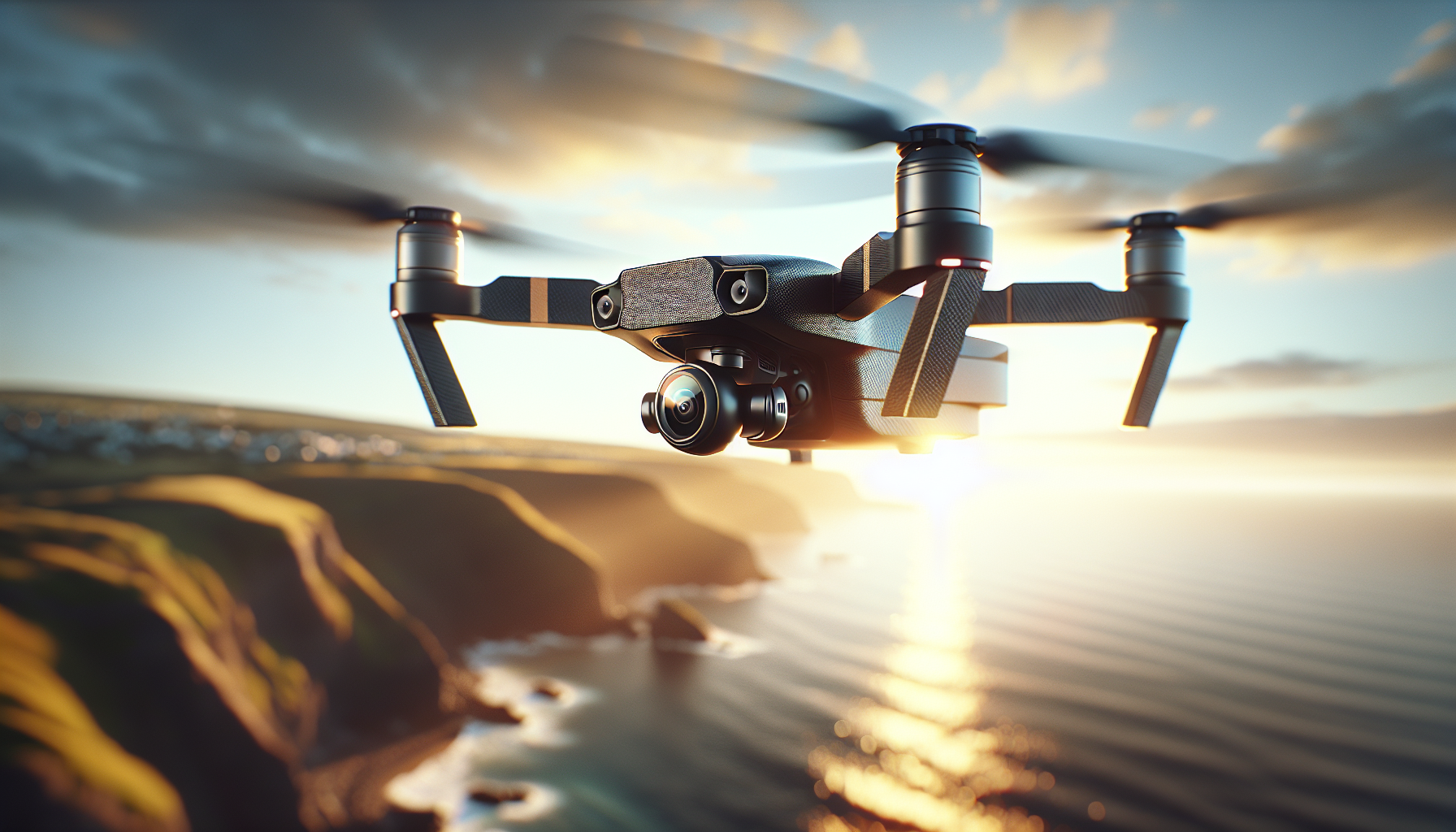
Flight techniques for filming
We present practical techniques that we use on set. We keep sentences clear and actionable.
Planning shots
We scout the location to find safe flight paths. We plan entry and exit points for the drone. We note obstacles, people, and reflective surfaces. We mark landing and takeoff zones.
Smooth throttle and roll control
We practice steady throttle to keep speed consistent. We use small stick inputs for slow framing changes. We focus on gradual transitions. We avoid sudden movements that spoil the shot.
Use of flight modes
We choose manual modes for full control and dynamic moves. We choose stabilized modes when we need help keeping level. We test both to see which produces the look we want. We set rates and expo to match pilot style.
Camera framing while flying
We practice framing with the goggles before the take. We set the camera angle on the rig to match the shot profile. We use tilt control to change framing without moving the rig too much. We rehearse moves with the crew to sync action.
Coordinating with actors and crew
We brief actors on distances and timing. We set clear safety lines if needed. We rehearse moves at low speed first. We ask the director for a reference frame and timings.
Shot examples and methods
We describe specific moves and how we approach them.
Chase shot
We start behind the subject and match speed. We keep distance and frame the subject in the center or slightly off-center. We adjust speed as the subject accelerates. We coordinate a spotter to watch for traffic and obstacles.
Fly-through shot
We move through a gap or doorway to give a sense of continuity. We pick a clean path and rehearse at slow speed. We increase speed as confidence grows. We keep props and people clear from the path.
Reveal shot
We hide the camera behind an object and then move to reveal a subject. We time the reveal with the actor or action. We use slow movement to increase suspense. We smooth the motion for a calm reveal or speed it for urgency.
Low pass and overhead moves
We skim above water, grass, or pavement for texture. We keep altitude legal and safe. We use low passes to show surface detail and overhead moves to give context.
Troubleshooting common issues
We keep the list concise and practical.
- We lose video signal when the VTX power is too low or antennas are damaged. We check antenna connections and power settings.
- We get jitter when props or motors are out of balance. We balance props and replace bent ones.
- We see rolling shutter when vibration reaches the camera. We add soft mounts and change prop combination.
- We get poor recording quality when camera settings are wrong. We check bitrate, shutter speed, and resolution.
- We have short flight time when batteries age or we push motors too hard. We check battery health and motor tuning.
We perform a simple test flight after any change.
Safety and regulations
We treat safety as the first concern. We keep rules and local laws in mind. We plan and follow a checklist.
Preflight checklist
We inspect frame, motors, and props. We check battery charge and connectors. We secure camera and gimbal. We test video feed and radio link. We brief crew and confirm no people are in the flight path. We confirm permissions if required.
Airspace rules and permissions
We check local laws before filming. We get waivers or permits when the area requires them. We avoid restricted airspace and airports. We respect privacy and private property. We carry documentation if officials ask.
Risk management and spotter use
We assign a spotter to watch the scene. We set emergency landing zones. We reduce power near people and structures. We keep a safe distance from crowds. We stop a flight if conditions become unsafe.
Legal and insurance considerations
We research required certifications and licenses in our region. We buy liability insurance when we film for clients or in public. We get location release forms from property owners. We get talent release forms from people who appear on camera when we film commercial material. We keep records of insurance and permits on set.
Post-production workflow
We describe a clear path from footage to final output.
Footage transfer and backup
We copy footage to at least two storage devices after the shoot. We label files by scene and take. We keep raw footage unedited in a separate folder.
Stabilization and color
We run footage through stabilization if needed. We grade the footage to match the look of the project. We correct exposure and white balance first. We then adjust contrast and color for mood.
Frame rates and shutter speed
We set camera to match desired motion portrayal. We use higher frame rates for slow motion and standard rates for normal motion. We set shutter speed to complement frame rate for clean motion blur.
Sync and assembly
We sync drone footage with main cameras in the edit. We use markers or a slate to help sync. We cut drone shots to support the scene and not distract from the action.
Equipment checklist and cost guide
We provide a practical table so we can budget and plan. We offer approximate costs for common items. Prices vary by brand and region.
| Item | Typical cost range (USD) | Note |
|---|---|---|
| Cinewhoop frame | 30–150 | Depends on material |
| Freestyle frame | 40–200 | Carbon frames cost more |
| Motors (set of 4) | 40–200 | Higher KV for lighter props |
| ESC (set) | 30–150 | 4-in-1 ESCs simplify wiring |
| Flight controller | 30–200 | Depends on features |
| FPV camera | 20–200 | Analog vs digital depends on clarity |
| VTX | 20–150 | Power and features vary |
| FPV goggles | 150–1000 | Head tracking and DVR affect price |
| GoPro or action camera | 200–500+ | Higher tiers for better quality |
| Gimbal | 150–1000+ | 3-axis gimbals increase cost |
| Batteries (set) | 40–200 | Number affects runtime |
| Radio controller | 50–400 | Quality affects range and feel |
| Misc (props, antennas, hardware) | 20–100 | Spare parts and tools |
We think a useful kit can start at a few hundred dollars and scale to several thousand for high-end cinema rigs. We recommend planning for spares and repairs.
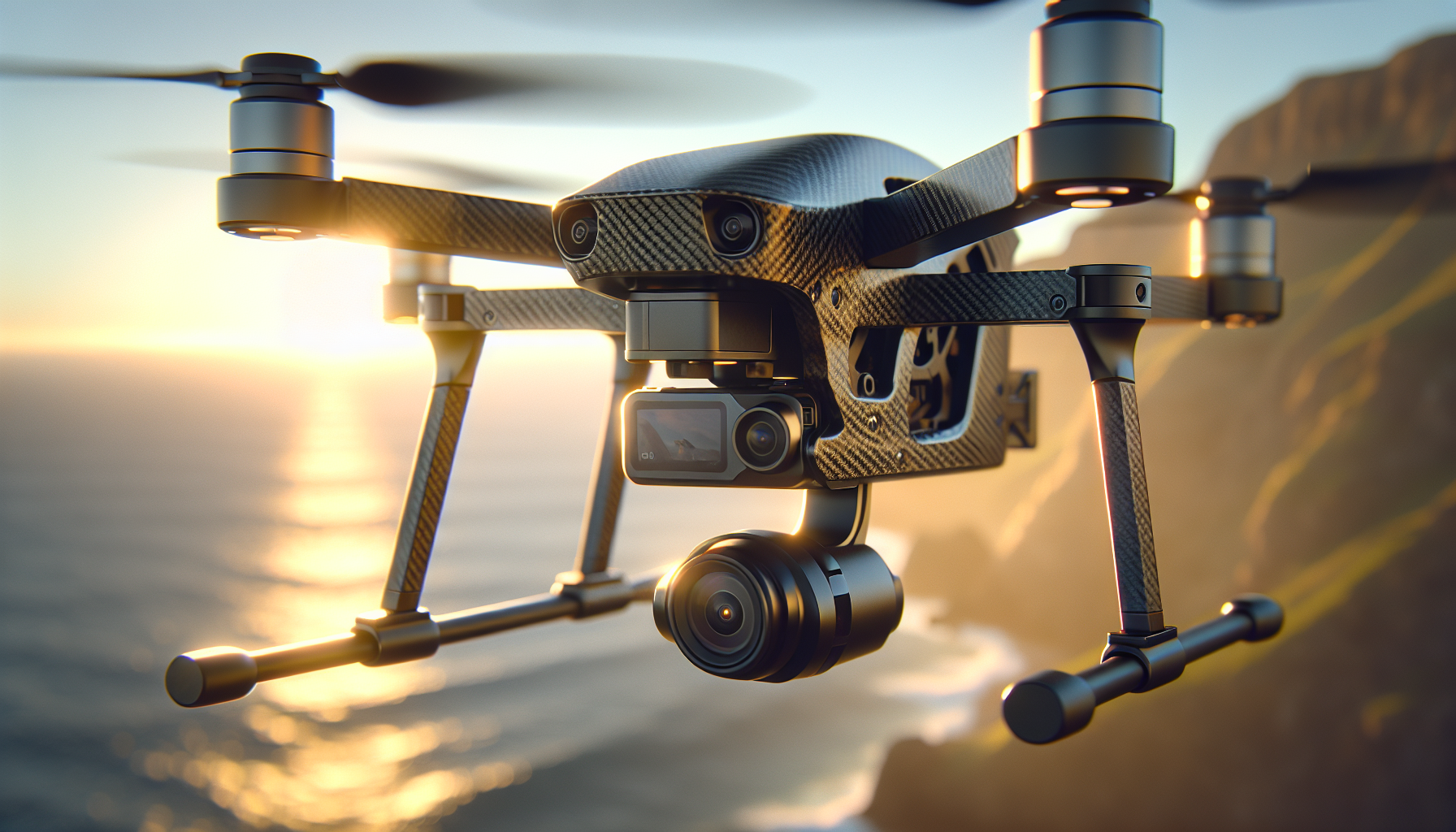
Tips to get started
We give clear steps to begin without wasting time.
- We learn basics in a simulator to save props and parts.
- We fly line-of-sight small models to build muscle memory.
- We join local clubs or groups to get mentorship.
- We start with a cinewhoop for safer indoor practice.
- We practice recording steady passes before adding complexity.
- We build a preflight routine and follow it every time.
We keep each tip simple and actionable.
Common mistakes and how to avoid them
We list pitfalls and short fixes.
- We rush into complex shots without rehearsal. We rehearse slowly first.
- We ignore weather. We check wind, rain, and temperature.
- We under-inspect gear. We test before the shoot.
- We stray into restricted airspace. We check maps and notifications.
- We fly without spotters near people. We assign spotters whenever required.
- We skimp on backups. We bring spare props, batteries, and SD cards.
We learn from each flight and update our checklist.
Collaboration with film crews
We explain how we work with others on set.
We brief the director with sample frames and movement plans. We show the director the goggles for a preview when needed. We set clear signals for start and stop. We work with sound and lighting teams to avoid interference. We coordinate camera cuts and actor marks.
Roles on set
We define common roles to keep the set tidy.
- Pilot: We fly and frame the shot.
- Spotter: We watch people and hazards.
- Camera assistant: We mount and balance cameras.
- Producer or line producer: We handle permits and budget.
- Director: We choose the shot and timing.
We keep responsibilities clear so the shoot runs smoothly.
Why filmmakers choose FPV
We list practical reasons that bring directors and DPs to FPV.
- We get unique camera paths that feel immediate.
- We lower the cost for dynamic shots.
- We speed up set changes and reduce rigging time.
- We match camera motion to the pace of a scene easily.
- We create an emotional proximity that connects the audience to the subject.
We think these pragmatic benefits explain the growing use of FPV in many projects.
Maintenance and care
We give a short routine to keep rigs healthy.
We clean frames and motors after each outdoor flight. We check screws and solder joints. We run motor spin tests on the bench. We cycle batteries per manufacturer recommendations. We store gear in a dry, cool place.
Training and skill development
We recommend structured learning steps.
We practice in a simulator daily for control and muscle memory. We fly slow, precise paths before attempting fast moves. We record training sessions to review lines and errors. We set measurable goals like consistent 10-meter passes without touching a cone.
Community and resources
We point to types of resources that help growth.
We read manuals and watch tutorials for specific gear. We join forums and local clubs for field support. We follow experienced pilots for technique ideas. We attend workshops to practice in controlled settings.
Future trends in FPV filming
We keep this brief and direct.
We see clearer digital video links that reduce latency and increase image quality. We expect longer flight times as battery tech improves. We watch for tighter integration between cinema cameras and lightweight drone systems. We note that software tools will improve stabilization and tracking. We plan for more collaboration between FPV pilots and film teams.
Ethics and responsible use
We state practical guidelines.
We respect privacy and avoid filming people without consent. We avoid disturbing wildlife and protected areas. We minimize disruption to local communities. We follow local rules and common sense. We stop filming if people feel unsafe.
Case studies and examples
We describe short examples that demonstrate practical use.
We filmed a chase scene on a narrow street with a cinewhoop. We rehearsed actor steps and flight path. We used a spotter at each end. We recorded the flight and used digital stabilization in post. We matched the footage to a wide shot and the cut felt seamless.
We recorded a slow reveal in a forest with a long-range FPV rig. We planned a path that threaded between trees. We rehearsed at low speed and increased speed on the final takes. We used neutral density filters to keep shutter speed steady. The director used the shot as a key emotional beat.
We shot an indoor dance with a small ducted craft. We mounted an action camera and flew low passes. We kept redundant spotters in doorways. We used soft mounts and tuned filters for a clean look. We cut the drone footage with handheld camera moves and the sequence felt intimate.
Conclusion
We think FPV drones offer a clear, practical path to new camera moves. We find they simplify many tasks that once required large crews and heavy gear. We recommend that teams plan carefully, train, and follow safety and legal rules. We encourage filmmakers to try FPV on a small scale first and grow competence before adding risk. We believe FPV will stay a useful tool for storytelling when we use it with care and skill.