

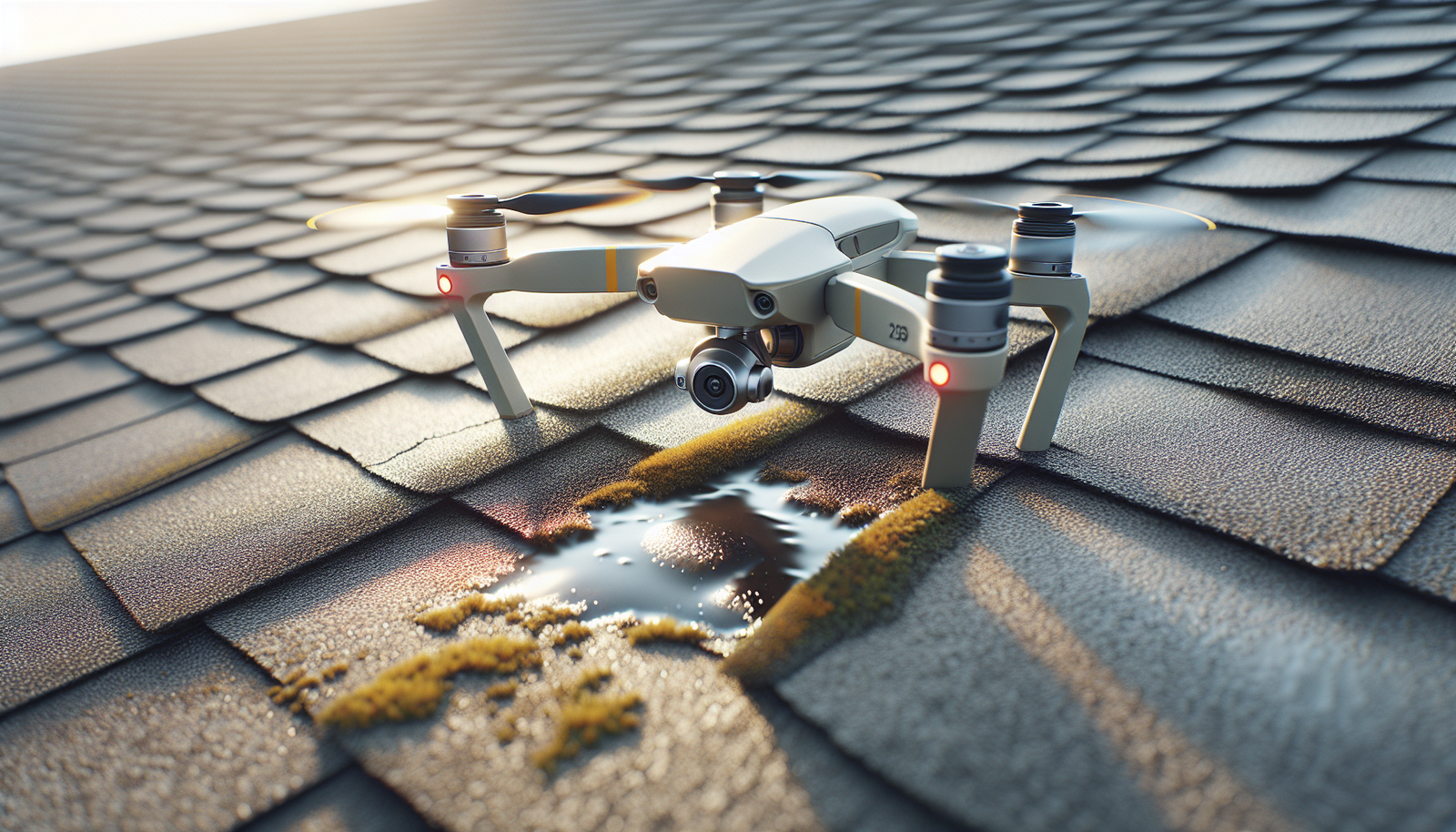
?What would a roof say if a small drone could read its secrets?
Drone inspection services find hidden roof damage
He writes notes about a roof as if the roof told a story. The drone listens and records without interrupting.
Overview
The drone inspects a roof and reveals damage that a ground view cannot show. The service uses cameras and sensors to record images and data for the homeowner and the contractor.
Purpose of drone roof inspection
The service aims to find damage early and avoid large repair bills. The drone locates leaks, missing shingles, and structural issues that people miss from the ground.
Why choose drone inspection
The drone reaches steep roofs and tall buildings with little risk to people. The service collects clear images and data faster than a manual inspection.
How drone inspections work
The technician programs the drone to fly specific routes and capture images. The drone sends the images to a tablet or laptop in real time for immediate review.
Pre-flight planning
The pilot studies the roof and the weather before the flight. The pilot marks safe takeoff and landing zones and identifies obstacles.
Flight and image capture
The drone follows the flight plan and captures high-resolution photos and video. The drone uses GPS to map the roof and avoid hazards.
Data transfer and analysis
The pilot transfers the images to a software tool for review and measurement. The software stitches images into a map and highlights potential problem areas.
Reporting
The inspector creates a report with images, location markers, and recommended actions. The report guides the homeowner and the contractor to make repair decisions.
Types of damage that drones detect
The drone detects visible and hidden damage that affects roof function. The drone documents missing shingles, rust, standing water, and structural sag.
Missing and damaged shingles
The camera records shingle loss and broken shingles in detail. The report lists the exact locations and the estimated extent of the damage.
Flashing and seal failures
The drone finds gaps and breaks around chimneys and vents. The images show where water could enter the roof assembly.
Ponding water and drainage issues
The drone captures areas where water collects on flat roofs. The images help the contractor plan drainage fixes and slope corrections.
Biological growth and stains
The camera spots algae, moss, and dark streaks that indicate moisture retention. The report suggests cleaning or replacement depending on the severity.
Structural sag and deformation
The drone records low spots and changes in pitch that indicate structural issues. The images help engineers assess load and support problems.
Hidden water intrusion
The drone pairs infrared sensors with visual cameras to detect moisture under the roofing. The thermal images reveal cold patches that indicate trapped water.
Sensors and technology used
The drone carries a mix of cameras and sensors to gather useful data. The tech choices affect the inspection detail and the cost.
High-resolution cameras
The drone uses a high-resolution camera to capture clear, zoomable images. The camera allows the inspector to read fine details like shingle granules and nail heads.
Thermographic cameras
The drone uses a thermal camera to detect temperature differences on the roof. The thermal sensor indicates areas with trapped moisture or air leaks.
LIDAR and 3D mapping
The drone uses LIDAR to create a 3D model of the roof and the building. The LIDAR scan measures dimensions and reveals subtle deformations.
Multispectral sensors
The drone uses multispectral sensors to detect material differences and stress. The sensor helps identify areas with biological growth or material fatigue.
GPS and flight telemetry
The drone logs GPS coordinates and flight path data for precise mapping. The telemetry supports repeatable inspections and legal records.
Benefits of drone inspections
The service saves time and reduces risk for the inspector and the owner. The drone produces a clear record that the owner can keep and share.
Speed and efficiency
The drone completes a roof scan in minutes instead of hours. The faster process reduces labor cost and limits disruption to occupants.
Safety for people
The drone eliminates the need for personnel to climb steep or damaged roofs. The company reduces liability and avoids falls.
Cost savings
The drone often reduces the total inspection cost compared to a manual climb or scaffolding. The early detection of damage lowers repair bills.
Better documentation
The drone provides high-resolution images and time-stamped records. The owner can use the images in insurance claims and maintenance plans.
Accessibility for all roofs
The drone reaches tall or complex roofs and urban locations with tight access. The drone inspects roofs that would otherwise require special equipment.
Process: step-by-step
The technician follows a clear process to deliver reliable results. The steps ensure safety, compliance, and useful output.
Client contact and scope
The service provider confirms the inspection scope and the access details with the client. The provider gathers photos and notes from the client when possible.
Site visit and assessment
The pilot visits the site to confirm the flight plan and to check hazards. The pilot checks for wires, trees, and airspace restrictions.
Permits and approvals
The operator obtains any required permits or neighbor permissions before the flight. The operator checks local regulations and airspace notices.
On-site setup and safety checks
The team sets up a safe launch and landing area and completes equipment checks. The pilot tests the batteries, sensors, and flight controls.
Flight execution
The pilot flies the drone and captures the images and sensor data according to the plan. The pilot monitors telemetry and maintains line of sight when required.
Data processing
The operator processes the photos into stitched maps, thermal overlays, and 3D models. The software flags anomalies and generates metrics such as area and slope.
Report delivery
The provider sends a clear report with images, maps, and recommendations. The report includes actionable next steps and cost estimates when requested.
Safety and regulations
The operator follows legal rules and safety best practices to protect people and property. The company trains pilots and insures the flights.
Pilot certification
The operator holds the required pilot certificates for commercial drone use. The certification proves the operator knows rules and safe flight practices.
Insurance
The company carries liability insurance for drone operations. The insurance covers accidental damage to property or third parties.
Airspace and local rules
The operator checks airspace restrictions and local ordinances before the flight. The operator follows no-fly rules and respects privacy laws.
Weather considerations
The pilot checks wind, rain, and visibility before the flight. The operator cancels or reschedules flights that the conditions make unsafe.
Cost and return on investment
The homeowner compares inspection cost to potential repair savings when deciding. The clear numbers help justify the service.
Typical price ranges
The provider charges based on roof size, complexity, and sensor needs. The price varies and the provider provides a written estimate before the work.
Factors that affect cost
The roof height, pitch, sensor types, and number of roof planes affect the price. The travel distance and permit needs also change the final cost.
Return on investment
The inspection often avoids major repairs by finding issues early. The saved repair cost may exceed the inspection price multiple times over.
Example cost table
The table lists rough price ranges and what each package includes. The owner uses the table to compare options and select the right service.
| Package | Typical Price Range | Includes |
|---|---|---|
| Basic visual scan | $150 – $350 | High-res photos, flight log, simple report |
| Thermal + visual | $350 – $700 | Thermal images, visual photos, annotated report |
| Full survey | $700 – $1,200 | LIDAR/3D map, thermal, inspection checklist |
| Commercial large roof | $1,200+ | Custom plan, LIDAR, detailed report, permit support |
Choosing a provider
The homeowner looks for experience, clear communication, and documented results. The provider must show examples and proof of work.
Check credentials
The client verifies pilot certificates and insurance certificates. The client asks for references and sample reports.
Ask about equipment
The client asks which cameras and sensors the provider uses. The client asks how the provider processes and stores the images.
Request sample reports
The homeowner reviews sample reports to check clarity and usefulness. The sample reports reveal how the provider identifies and explains problems.
Compare pricing and scope
The homeowner compares price quotes and the included deliverables. The homeowner checks how many images and what sensors the provider will use.
Look for local experience
The owner prefers a provider with local knowledge of weather and codes. Local experience helps identify common roof issues in the area.
Preparing for an inspection
The homeowner completes a few simple tasks to help the inspection run smoothly. The tasks improve safety and reduce delays.
Clear the launch area
The homeowner clears yard items from the drone launch and landing area. The clear space ensures safe takeoff and landing.
Provide access information
The client gives gate codes, keyholder contacts, and contact times. The provider appreciates clear instructions and avoids wasted trips.
Note known hazards
The homeowner tells the provider about overhead wires, pets, and neighbor concerns. The provider uses that information in the flight plan.
Secure pets and people
The client keeps children and dogs inside during the flight. The provider avoids startle reactions and keeps everyone safe.
Post-inspection actions
The report guides the homeowner through the next steps after the inspection. The owner uses the images to repair, claim insurance, or plan maintenance.
Review the report
The homeowner reads the report and studies the images and the recommendations. The report shows the exact locations of damage and the suggested repairs.
Share with contractors
The owner sends the report to roofers and contractors to get quotes. The images reduce guesswork and help contractors provide accurate estimates.
Use for insurance claims
The owner provides the report to the insurance adjuster if a claim is needed. The time-stamped images help document pre-existing damage and storm damage.
Plan maintenance
The homeowner schedules cleaning or minor repairs based on the findings. The record helps track changes over time.
Repair and maintenance options
The drone helps the owner choose the right repair method and the right contractor. The report highlights which fixes require immediate action.
Minor repairs
The contractor replaces a few shingles or seals a flashing. The repair restores waterproofing and prevents further damage.
Moderate repairs
The roofer replaces large sections of shingles or repairs underlayment. The roofer addresses drainage or flashing failures.
Major repairs or replacement
The contractor replaces the full roof when the system reaches end of life. The owner uses the drone report to justify the replacement and to document the condition.
Preventive maintenance
The owner schedules cleaning, trimming trees, and checking gutters to reduce future problems. The drone inspection helps plan a maintenance schedule.
Case studies and real examples
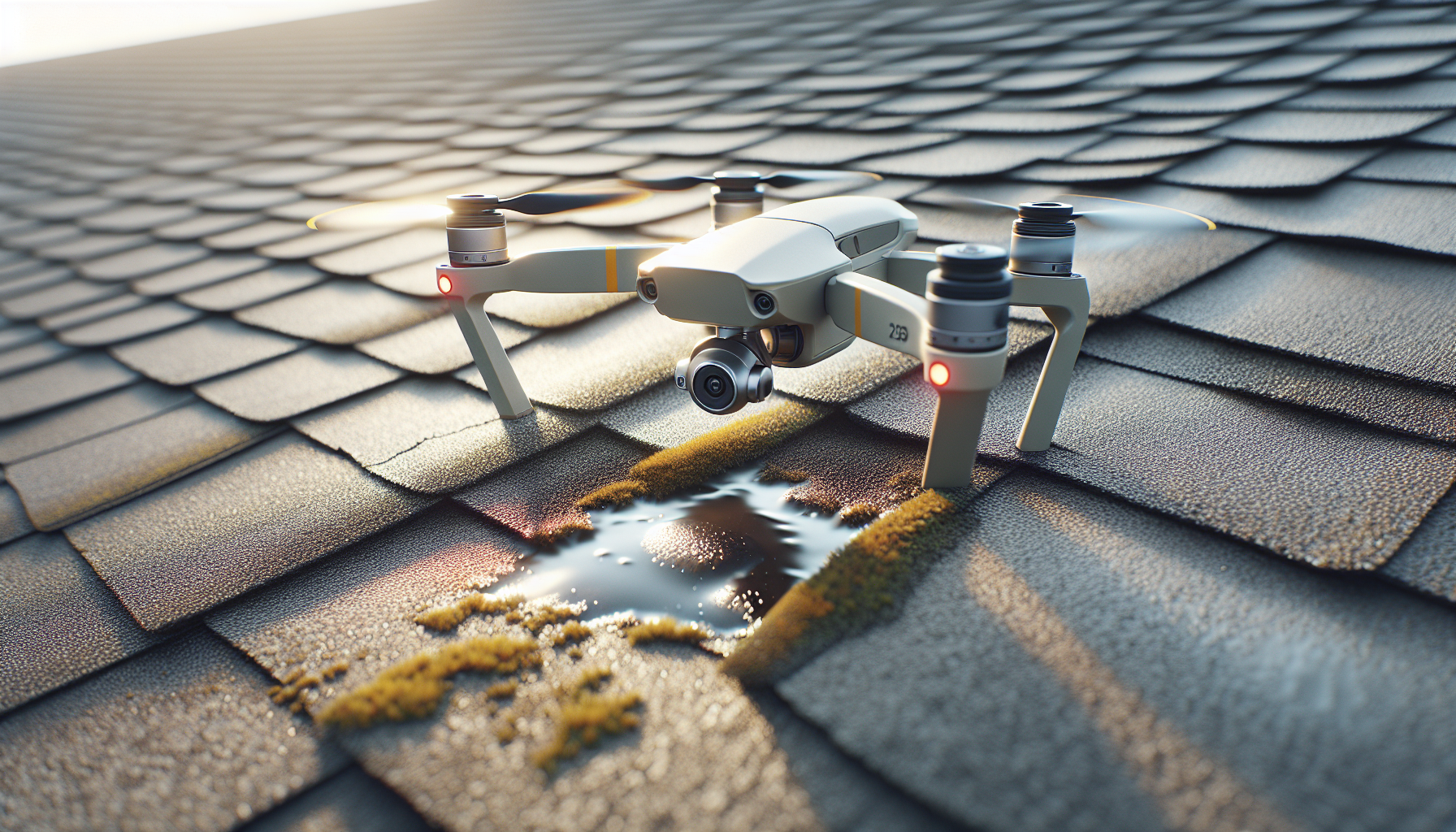
He remembers a case when a neighbor blamed squirrels and a drone told a different story. The drone found a failed flashing around a vent and a small leak that the homeowner never noticed.
Residential leak found
The drone scanned a two-story roof and found a missing seal. The homeowner avoided a major water intrusion when the roofer repaired the seal.
Commercial flat roof ponding
The drone used thermal imaging on a flat roof and found cold spots. The building manager fixed the drainage and avoided expensive membrane failure.
Historical building inspection
The drone mapped a steep slate roof on an old house and captured detailed photos. The conservator used the images to plan a sensitive repair and to document the condition.
Insurance claim support
The drone inspection produced clear photos of storm damage after a wind event. The insured used the report to speed the claim process and to settle with the insurer.
Limitations and challenges
The drone cannot perform all inspection tasks and it faces real limits in some conditions. The owner should understand these limits before scheduling a flight.
Weather restrictions
The operator cancels flights in high winds, rain, or low visibility. The weather makes data unreliable and increases risk.
Obstructed views
The drone cannot see under eaves, inside attic spaces, or under heavy overhangs. The inspector may need to combine drone data with a brief attic check.
Regulatory limits
The laws restrict flights near airports and over crowds in many areas. The pilot plans the flight to comply with local rules.
Sensor limits
The thermal camera shows temperature differences but cannot always prove moisture. The pilot and the roofer may need additional tests such as core cuts or moisture meters.
Roof access for repairs
The drone points to the problem but does not fix it. The contractor still needs safe access and proper repair materials.
Privacy and neighbor relations
The operator respects privacy and obeys local laws to avoid conflict. The company communicates clearly to neighbors when a flight might affect them.
Notification practices
The provider notifies neighbors when the flight will occur near shared walls or fences. The notification reduces surprise and keeps relations civil.
Data handling and storage
The company stores images securely and shares them only with authorized people. The client can request deletion or copies of the data.
Quality assurance and accuracy
The provider adopts clear practices to ensure consistent and accurate results. The client can verify the report and ask for clarification.
Calibration and maintenance
The operator calibrates sensors and updates software before major jobs. The calibration improves measurement accuracy.
Repeatable inspections
The operator uses the same flight plan and GPS coordinates for follow-up visits. The repeatability helps track roof changes over time.
Cross-checking with manual checks
The roofer or the inspector may perform spot checks on the roof or in the attic to confirm drone findings. The cross-check confirms the diagnosis and guides repair scope.
Future trends in drone roof inspection
The drone industry continues to add features and services that improve inspection quality and cost-effectiveness. The advances make inspections faster and more actionable.
Automation and AI
The software analyzes images and flags likely problems automatically. The AI reduces time and helps the inspector focus on verification.
Better sensors
The drones get better cameras and more sensitive thermal sensors over time. The higher quality sensors improve detection of small issues.
Integrated maintenance platforms
The inspection data links with maintenance apps and contractor portals. The integration streamlines scheduling, quoting, and repairs.
Fleet services
Companies may offer subscription plans for repeated inspections of large property portfolios. The subscription supports preventive maintenance and asset tracking.
Choosing the right inspection frequency
The owner balances roof age, local weather, and risk to choose inspection timing. The drone provides an easy way to monitor the roof over time.
New roofs
A new roof gets an initial drone scan for baseline documentation. The baseline helps prove condition in future claims or disputes.
Older roofs
The owner schedules inspections more often as the roof ages. The inspections reveal accelerated wear and hidden failures.
After storms
The company recommends an inspection after wind, hail, or heavy storms. The scan documents storm damage and supports timely repairs.
Scheduled maintenance
The owner plans scans at regular intervals to track condition and spot trends. The pattern helps plan replacements before urgent failure.
Environmental and community benefits
The drone inspection reduces waste and lowers the environmental impact of roofing work. The early repairs often require fewer materials and less energy.
Reduced material waste
Early repairs often need fewer shingles or fewer complete roof replacements. The owner conserves materials and reduces landfill waste.
Less heavy equipment
The drone reduces the need for scaffolding and large lifts for inspection. The reduced equipment use lowers fuel consumption and noise.
Neighborhood safety
The drone reduces time that workers spend on ladders and roofs in residential areas. The lower risk protects neighbors and workers.
Common questions and clear answers
He reads a lot of homeowner questions and keeps clear answers for them. The owner often wonders about safety, cost, and evidence for insurance claims.
Can a drone damage the roof?
A properly flown drone does not touch the roof and poses little risk. The main risk comes from a crash, and the operator mitigates that risk with checks and safe distances.
Will insurance accept drone photos?
Many insurers accept drone images as part of evidence for claims. The owner should check insurer policies and provide full documentation.
How long does an inspection take?
The typical residential inspection takes 20 to 60 minutes for the flight and another hour for basic processing. Complex scans with LIDAR or thermal imaging require more processing time.
Are thermal images reliable?
Thermal images show temperature differences that often indicate moisture or air leaks. The images may require spot checks or moisture meters to confirm the problem.
How often should an owner inspect?
The owner should inspect every 1 to 3 years and after major weather events. Older roofs may need more frequent checks.
Choosing repairs from drone reports
The homeowner uses the report to decide between repair and replacement. The clear images reduce disagreement between owners and contractors.
Prioritize urgent fixes
The owner orders repairs for leaks, failing flashing, and structural issues first. The urgent fixes prevent more costly damage.
Plan long-term work
The owner plans replacement when the report shows widespread wear or end-of-life materials. The plan allows budgeting and scheduling.
Get multiple quotes
The homeowner shares the drone report with several contractors to get fair pricing. The images reduce ambiguous descriptions and support comparable bids.
Contracting and warranties
The homeowner looks for clear contracts and warranty terms from the roofer. The digital report may form part of the warranty record.
Ask about warranty coverage
The owner checks what the contractor warrants and for how long. The owner keeps the drone report to document pre-repair condition.
Include report in the contract
The client includes the drone report as an exhibit in the repair contract when possible. The report clarifies scope and expectations.
Final thoughts
He imagines the roof sighing in relief when a drone passes overhead. The drone finds small problems early and gives the homeowner the chance to act before the leak becomes a drama.
Summing up benefits
The drone inspection saves time, money, and risk and provides clear records for repair and insurance. The owner uses the service to protect the roof and the interior of the building.
Practical next steps
The homeowner contacts a certified drone inspector, clears the launch area, and schedules a scan after reviewing estimates. The homeowner keeps the report and uses it to guide repairs and maintenance.
The drone returns to its base, and the homeowner studies the photos as if the house had spoken at last. The images tell a clear story and let the owner act with confidence.