

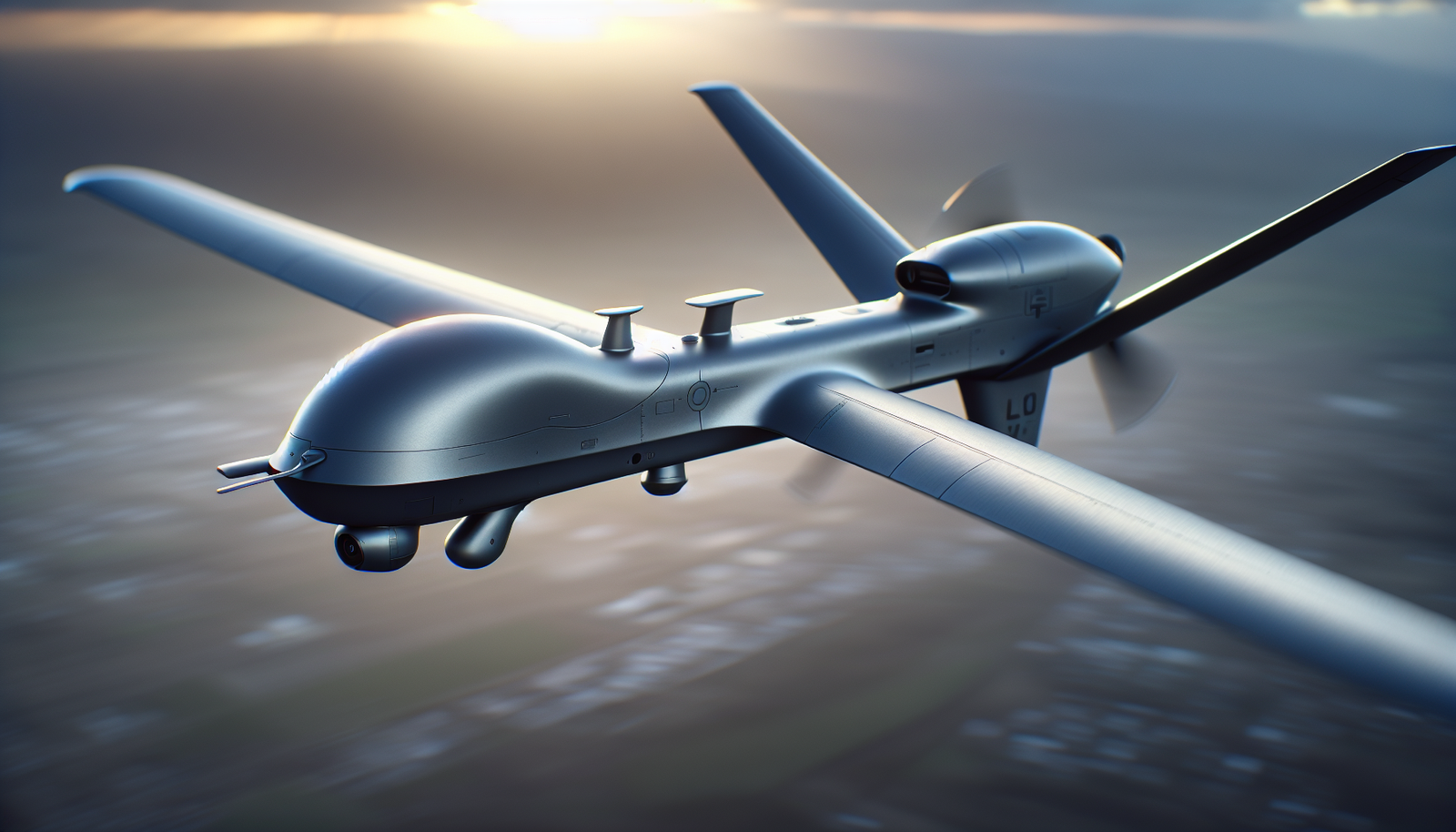
?Has he ever watched a small aircraft glide over a field and felt a private thought about who watches from above?
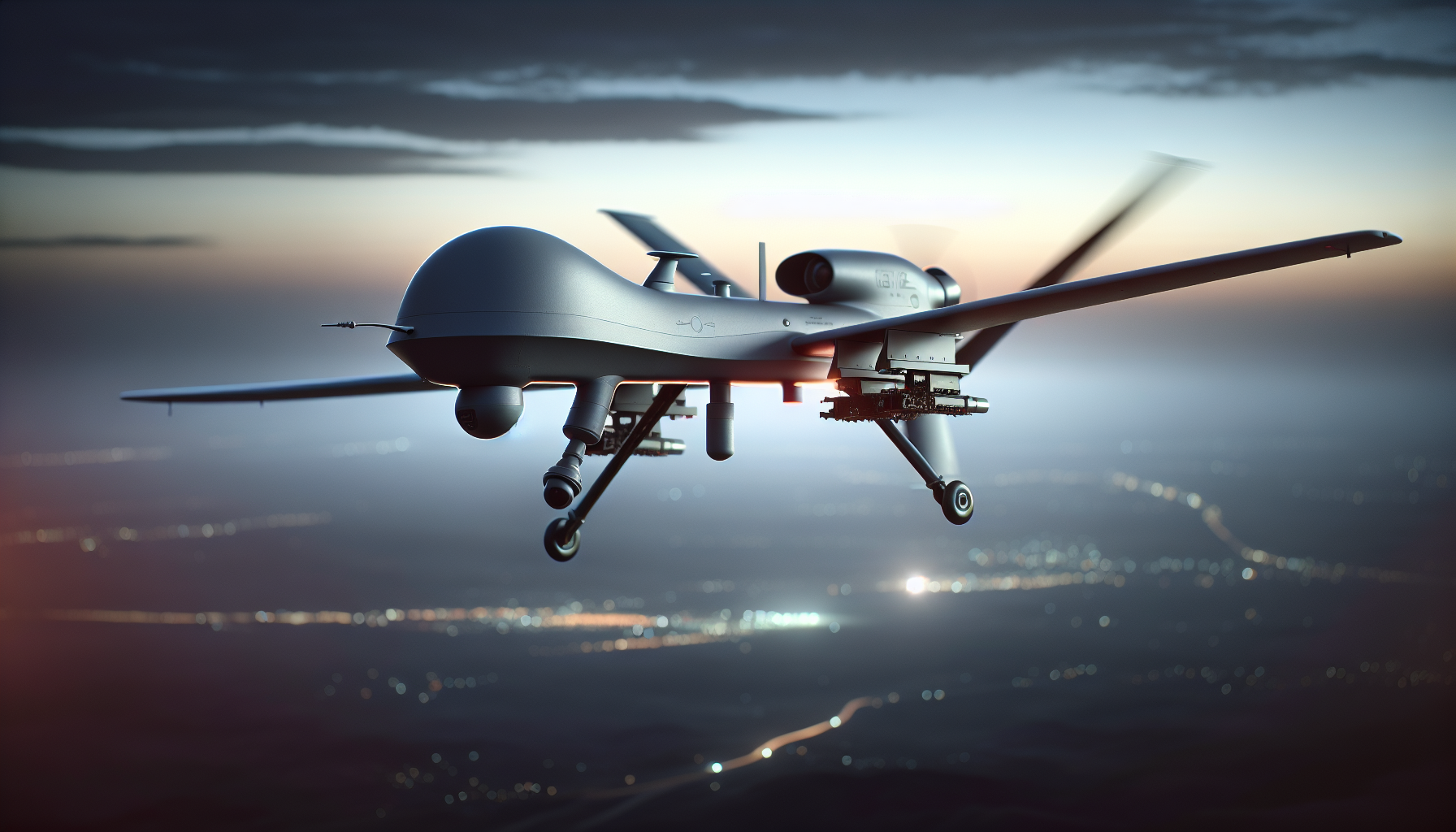
Military drones collect surveillance data
Military drones collect surveillance data. They fly long hours and they carry many sensors. He watches their flight paths on a screen. He thinks about how each image and each signal can change a plan. The scene can seem ordinary. The details can change outcomes.
What a drone is and what it does
A drone is an unmanned aircraft. It carries cameras, radios, and scanners. The military uses drones to see, listen, and measure. They reduce risk to crews. They also give leaders fast information. He notes how a small device can hold so many tools.
Types of military drones
Several drone types serve different roles. He lists them to make the tasks clear.
- Fixed-wing drones fly fast and far. They cover large areas.
- Rotary-wing drones hover and move in tight spaces. They inspect points of interest.
- Hybrid drones combine features of both. They aim to balance range and control.
- Microdrones size for close urban work and short missions.
Each type collects data in a way that fits its design. He watches a fixed-wing drone search a valley. He watches a microdrone map a roof.
Small tactical drones
Small tactical drones carry light sensors. They support troops on the ground. They send images and position updates. They help with short-range surveillance and target spotting.
Medium-altitude, long-endurance drones (MALE)
MALE drones fly for many hours. They carry larger sensor suites. They send high-resolution imagery and signals data. They support long missions and persistent surveillance.
High-altitude, long-endurance drones (HALE)
HALE drones fly near the edge of controlled airspace. They operate at high altitudes for many hours. They collect wide-area imagery and high-altitude signals. They help with strategic observation.
Sensors and payloads
Sensors provide the raw inputs for surveillance. He compares sensors to human senses. Cameras act like eyes. Radios act like ears. Radar acts like touch in low visibility. Each sensor gives a different view of a scene.
| Sensor type | What it records | Typical use |
|---|---|---|
| Electro-optical (EO) camera | Visible-light images and video | Daytime observation, identification |
| Infrared (IR) / thermal camera | Heat signatures | Night observation, target detection |
| Synthetic Aperture Radar (SAR) | Radar images through clouds, smoke | All-weather imaging, ground mapping |
| Signals Intelligence (SIGINT) sensors | Radio, cell, radar emissions | Communication monitoring, electronic order of battle |
| Electronic Intelligence (ELINT) sensors | Radar and electronic systems signals | Radar detection and classification |
| LiDAR | Distance and shape data | Terrain mapping, 3D models |
| Multi-spectral / hyperspectral sensors | Light across bands beyond visible | Material detection, crop or surface analysis |
| Acoustic sensors | Sound waves | Gunshot detection, vehicle identification |
| Magnetic sensors | Magnetic anomalies | Subsurface detection, vehicle tracking |
Each sensor feeds data. The drone sends data to a base. He watches technicians route the flow.
Data collection methods
The drone records data in different modes. It streams video in real time. It stores large data files for later analysis. It logs sensor metadata such as time, location, and orientation. The drone keeps a record of its own health and status.
- Live streaming sends video and telemetry to operators.
- Onboard storage saves high-resolution data for later download.
- Burst transmission sends condensed data when bandwidth is limited.
- Scheduled collection follows a mission plan and captures data at set intervals.
He waits as data packets move through radio links and satellite uplinks. He hears a technician say, “It sends too much.” They trim settings. The drone continues to collect.
Data transmission and networks
Drones must move data back to users. They use three main paths: line-of-sight radio, beyond-line-of-sight satellite links, and relay via other assets.
- Line-of-sight radio works at shorter ranges. It gives high bandwidth and low delay.
- Satellite links allow global reach. They add delay and cost.
- Relays use other drones or ground nodes to extend reach.
Networks must handle bursts and drops. He notes how the team plans for both full feeds and short summaries. They balance data need with link capacity.
Security of transmission
Teams encrypt data in transit. They use secure channels and authentication. They also sign data to prevent tampering. He thinks about the effort to protect a single feed. Attackers may try to jam or intercept. Teams build countermeasures and fallbacks.
Data storage and management
Systems store data on the ground and in the cloud. They tag files with time and location. They index images and signals for search. They apply retention rules and access controls.
- Short-term storage holds recent missions for quick use.
- Long-term archives keep selected data for weeks, months, or years.
- Metadata indexes allow fast search by time, sensor, or target.
He often sees analysts search hours of footage for a single event. He thinks about how much space a day of high-resolution video needs. He notes how storage costs shape what missions run.
Data processing and analysis
Raw data rarely gives direct answers. Analysts process data to generate insight. Software and people work together to turn images and signals into reports.
- Filtering removes noise and artifacts.
- Geolocation places data on maps.
- Object detection finds vehicles, people, and structures.
- Classification labels objects by type or threat level.
- Pattern analysis links events across time and space.
He watches an analyst mark frames. He watches software propose possible matches. He sees a human confirm or reject the results. This human review reduces errors.
Role of machine learning
Machine learning speeds image and signal analysis. Models detect shapes and sounds quickly. They rank likely targets for human review. They reduce repetitive tasks.
He notes that models need training data. He notes that bias and false alarms remain issues. He watches teams retrain models with new examples. He notes the steady cycle of model improvement and human feedback.
Common data products
Drones produce many data products. Each product serves a user with a specific need. He outlines common outputs.
- Full-motion video (FMV): continuous video feed for real-time use.
- Still imagery: high-resolution photos for analysis and archive.
- Geospatial products: maps and overlays showing object positions.
- Heat maps: visual summaries of activity levels over time.
- Signals reports: logs of detected transmissions and their sources.
- Event reports: summaries of identified incidents or changes.
Each product has a lifecycle. Analysts validate and annotate. Commanders read brief summaries. He reads a report and thinks about the life that a single image had before it reached a decision maker.
Operational uses and missions
Military drones support many missions. He lists common ones with brief notes.
- Intelligence, surveillance, reconnaissance (ISR): Drones watch areas and collect data.
- Target acquisition: Drones find and track high-value targets.
- Battle damage assessment (BDA): Drones verify strike outcomes.
- Route reconnaissance: Drones check roads and supply lines.
- Maritime surveillance: Drones patrol seas for ships and activity.
- Electronic warfare support: Drones map and analyze enemy emissions.
- Search and rescue support: Drones search for survivors and hazards.
A mission can change quickly. He has seen an ISR mission shift to target tracking within an hour. The drone adapts by switching sensors and changing flight.
Legal and policy frameworks
Nations set rules for drone use. Military rules may follow national law and international law. He observes how lawyers and operators work together to make choices.
- Rules of engagement define when data can lead to action.
- Privacy laws restrict collection in some contexts.
- Airspace regulations govern where drones can fly.
- Export controls limit technology spread.
Units document compliance and approvals. He watches legal teams review mission plans. They keep logs to show adherence to rules.
Accountability and oversight
Commanders and oversight bodies review missions. They audit data and decisions. They ask whether collection followed policy and whether use matched intent. He sees records cited in briefings and inquiries.
Ethics and privacy concerns
Drones raise clear ethical questions. They can record civilians and intimate spaces. He notes how easy it is to point a camera and how hard it is to respect privacy at scale.
- Operators can limit collection through geofencing and sensor control.
- Analysts can redact private data in reports.
- Policies can restrict retention of sensitive data.
- Training can raise awareness about risks.
He imagines a drone that filmed a neighbor in their backyard. He thinks about how rules help reduce harm. He also thinks about mistakes and the need for review.
Data quality and reliability
Collected data can vary in quality. Weather, sensor limits, and transmission issues can affect results. He watches teams assess the reliability of each item.
- Weather reduces optical clarity and affects thermal contrast.
- Sensor resolution limits what analysts can identify.
- Compression introduces artifacts that can mislead.
- Timing errors can misalign events across sources.
Analysts flag data with confidence levels. They note gaps and uncertainties in reports. He values clear notes that state what a product can and cannot show.
Limitations and vulnerabilities
Drones face technical and operational limits. Adversaries can exploit them. He lists common limits.
- Range and endurance limit mission scope.
- Bandwidth constraints limit live feeds.
- Weather can ground drones or reduce sensor effectiveness.
- Electronic attack can jam or spoof links and sensors.
- Physical attack can shoot down or capture drones.
Teams plan for these limits with redundancy and alternate sensors. He watches planners add contingency options to missions.
Countermeasures and defenses
Targets may use counters to hide from drones. He explains common measures and how teams respond.
- Camouflage and concealment reduce visual detection.
- Emissions control (EMCON) reduces radio signature.
- Jamming and spoofing disrupt communications and navigation.
- Decoys and movement disrupt pattern analysis.
- Physical barriers block line-of-sight.
Drones and systems counter these measures with multiple sensors and secure links. They cross-correlate data. He imagines a crew that spots a decoy by comparing thermal and visual data.
Chain of custody and evidence
Military data can serve as evidence. Legal and operational processes secure the chain of custody. He notes how steps preserve data integrity.
- Secure storage locks files with tamper-evident logs.
- Metadata records who accessed files and when.
- Hashing proves that files remain unchanged.
- Formal handoffs document transfer between agencies.
Investigators rely on clear chains to support findings. He reads a BDA report that lists every step from collection to archive.
Interoperability and integration
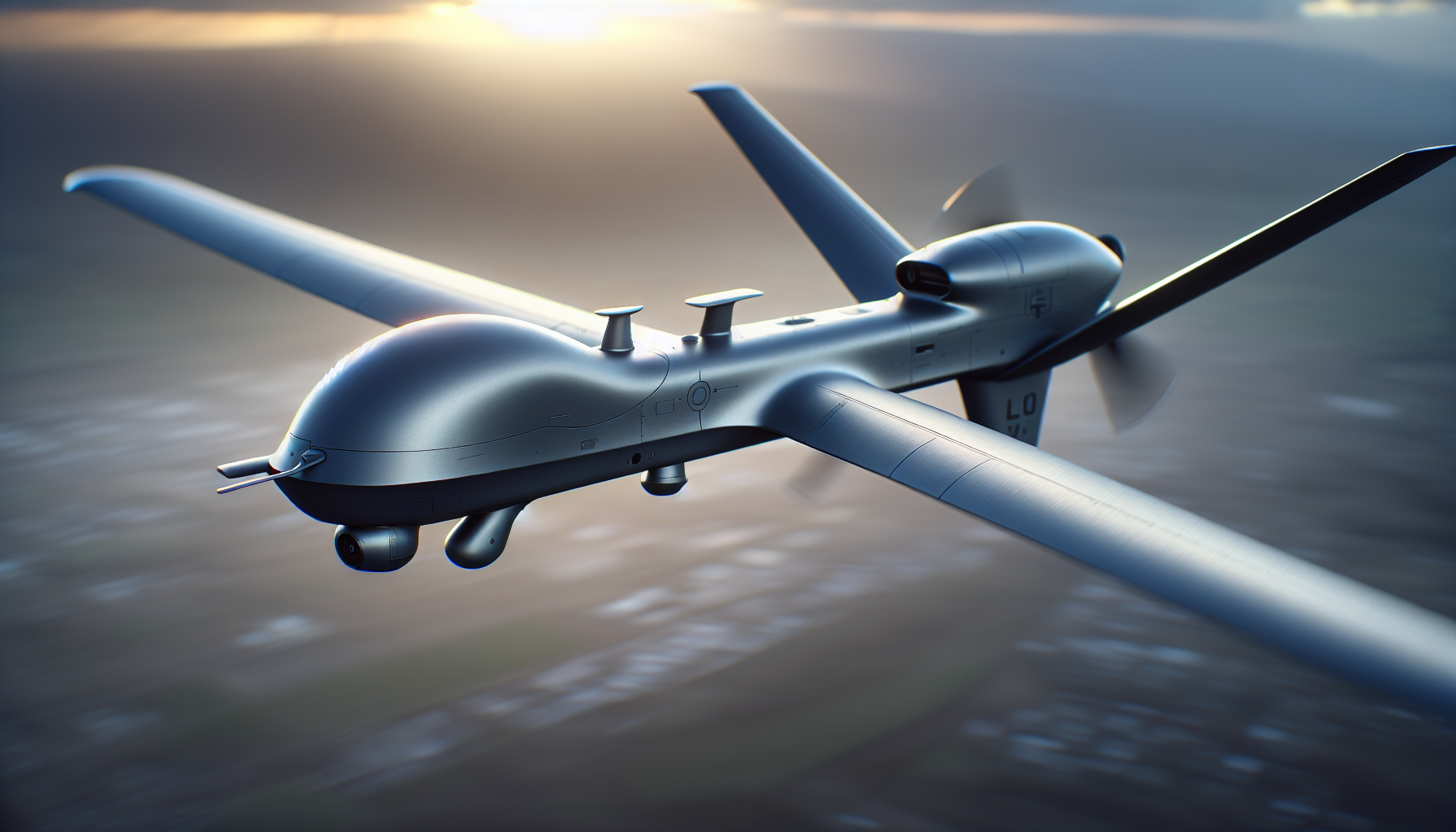
Drones must work with other systems. They share data with command centers, ships, and allied partners. He lists integration needs.
- Common data formats ease sharing.
- Standard metadata supports search across systems.
- Secure links maintain confidentiality across networks.
Operators train to send and receive formats. He watches a map that layers drone data with satellite imagery and ground reports.
Training and human factors
People make decisions with drone data. Training shapes how they interpret data. He describes training elements.
- Systems training teaches hardware and software use.
- Analysis training teaches visual and signals interpretation.
- Legal and ethics training sets boundaries for collection and use.
- Stress training prepares staff for long shifts and high tempo.
He knows an analyst who worked long nights and then found a small, clear image that changed the next day. He thinks about the human fatigue that can affect judgment.
Case studies and examples
He describes short examples to show how drones collect and use data.
Example 1: A MALE drone patrols a border. It records vehicle movements at a crossing. Analysts track repeated patterns and alert patrols. The patrol acts and finds illegal smuggling.
Example 2: A rotary-wing drone supports a ground unit. It sends live video of a compound. The unit syncs movements to the feed. The team avoids ambushes and secures the site.
Example 3: A HALE drone uses SAR to map an area covered in smoke. Firefighters and commanders receive maps that show road blocks and clearings. They change logistics routes and reduce risk.
In each case, drones collect data. Analysts and operators turn data into action. He notes how small details can make big differences.
Data fusion and multisensor correlation
Combining sensor types increases confidence. He explains how fusion works.
- Analysts overlay EO images with IR and SAR for context.
- Signals data can point to a location that imagery then confirms.
- LiDAR can refine maps made from radar.
Fusion reduces false alarms. It also adds complexity to processing. He watches a system align data layers and then finds a match.
Metrics and performance measures
Commanders measure system value with metrics. He lists common performance indicators.
- Coverage: area that a drone can observe per mission.
- Persistence: how long a drone can watch the same point.
- Revisit rate: how often a drone returns to the same spot.
- Accuracy: how close geolocation and identification match reality.
- Latency: time from collection to delivery to user.
- Reliability: mission success rate versus planned flights.
Leaders use these metrics to decide on investments and tactics. He watches a briefing where numbers shift the plan for next month.
Privacy mitigation techniques
Teams use specific steps to reduce privacy risk. He lists practical measures.
- Limit collection to required areas and times.
- Mask or blur unrelated persons and private areas in outputs.
- Apply retention rules to delete nonessential data quickly.
- Use role-based access to restrict who sees sensitive files.
- Audit access and use to detect misuse.
He thinks about a redaction tool that hides family faces in a frame. He imagines a rule that deletes raw video after a set time unless needed.
International cooperation and data sharing
Allies often share drone data. He explains the reasons and challenges.
- Shared data increases situational awareness.
- Allies can pack multiple assets to cover wider areas.
- Standard formats ease joint operations.
- Legal and classification rules can limit what flows between partners.
They negotiate agreements and create shared systems. He watches liaison officers coordinate feeds that cross borders.
Cost and logistics
Drones carry financial and logistical costs. He notes the direct and hidden expenses.
- Platform procurement and maintenance cost money.
- Sensors and communications systems raise the price.
- Trained personnel and analysts add recurring costs.
- Data storage and processing require resources.
- Logistics for launch, recovery, and spare parts drive planning.
Commanders balance cost against mission value. He remembers a unit that delayed a mission because a spare propeller was at the depot in another city.
Environmental factors
Environment matters for drone surveillance. He lists common factors that affect collection.
- Weather: wind, rain, and fog reduce flight safety and sensor clarity.
- Terrain: mountains and urban canyon can block line-of-sight.
- Light: day and night affect camera performance.
- Electromagnetic environment: crowded spectra can cause interference.
Operators plan around these constraints. He watches a mission shift times to use better light and calmer wind.
Future trends
He watches technology change slowly and also fast. He lists trends that will shape data collection.
- Sensor miniaturization will place more capabilities on smaller platforms.
- Improved batteries and propulsion will extend mission range and time.
- AI will do more real-time analysis and reduce human load.
- Quantum and advanced communications may change secure links.
- Swarm tactics will allow many small drones to work together.
Each trend will change how teams collect and use data. He pictures a swarm mapping a city block in minutes.
Challenges for the future
New tech brings new issues. He lists key challenges.
- Data volumes will grow faster than storage and processing capacity.
- AI errors can scale and create misleading patterns.
- Adversaries will develop new countermeasures and deception.
- Legal and ethical norms will lag behind technical capabilities.
- Supply chains and export rules may limit access to new tech.
Planners prepare for each challenge. He thinks about how a single error in an algorithm can cost hours of work.
Best practices for operators and analysts
He lists practical best practices that teams follow.
- Plan missions with clear collection objectives.
- Limit data collection to what is necessary.
- Apply encryption and strong access controls.
- Record thorough metadata for each file.
- Validate automated outputs with human review.
- Maintain chains of custody for evidence.
- Train staff on legal and ethical boundaries.
- Monitor system health and log anomalies.
Teams that use these steps reduce risk and increase value. He reads an after-action report that praises a careful mission plan.
Summary and key takeaways
Military drones collect diverse surveillance data. Teams use many sensors and methods to get useful products. Analysts and machines work together to find meaning. Laws, ethics, and policy shape what teams collect and how they use data. Operators face limits and threats. They plan and train to manage those risks. He notes that the human role remains central in judging and directing drone-derived insight.
He closes with a small thought. He sits by the window and watches a drone cross the sky. It records patterns that a human mind will read and a group will act upon. The device may look small, but its data can stretch across miles and decisions. He hopes teams keep care and judgment at the center as they use the steady stream of information that military drones supply.