

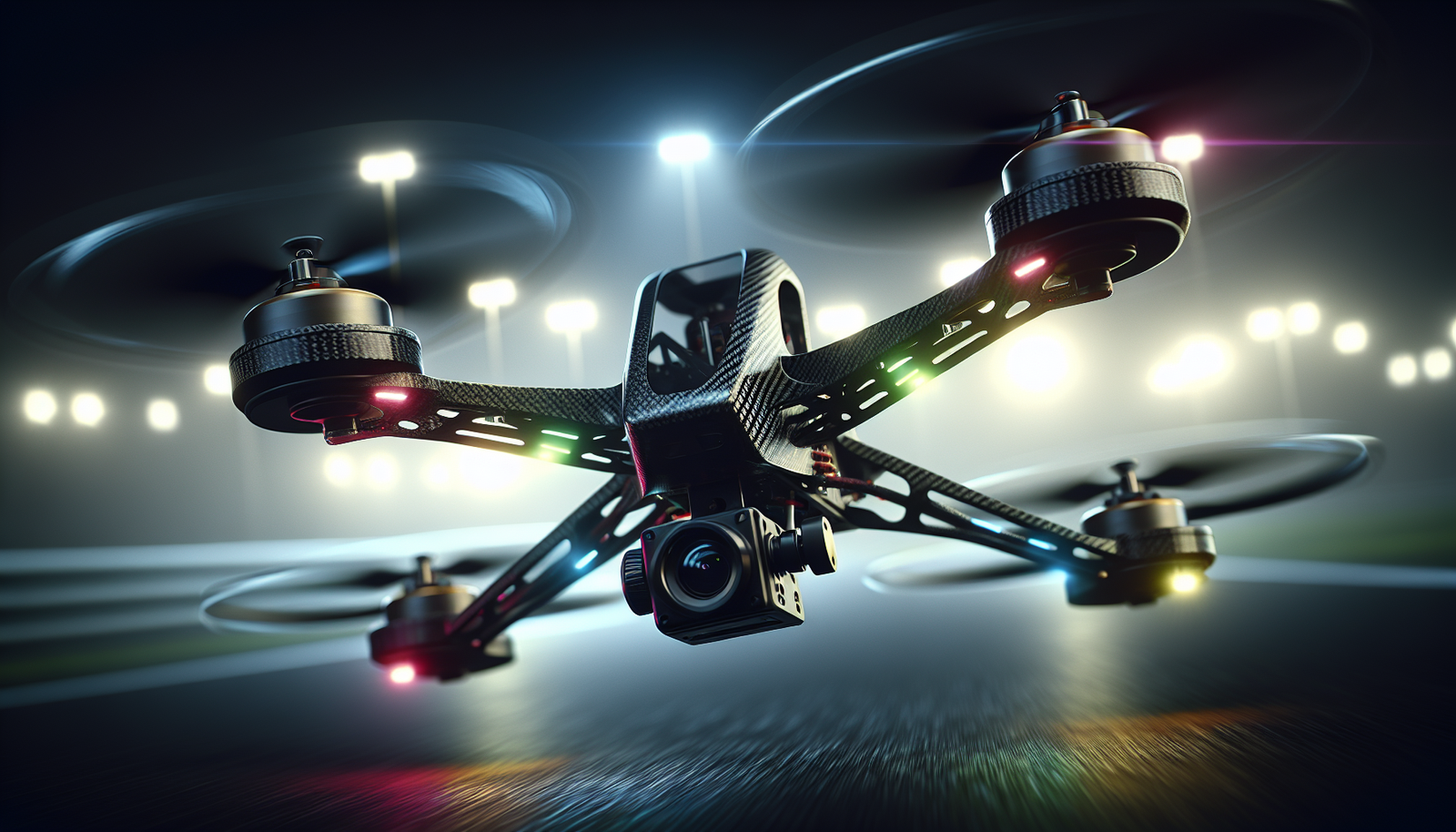
? Has anyone ever watched a tiny machine scream past and felt a jolt of pure wonder?
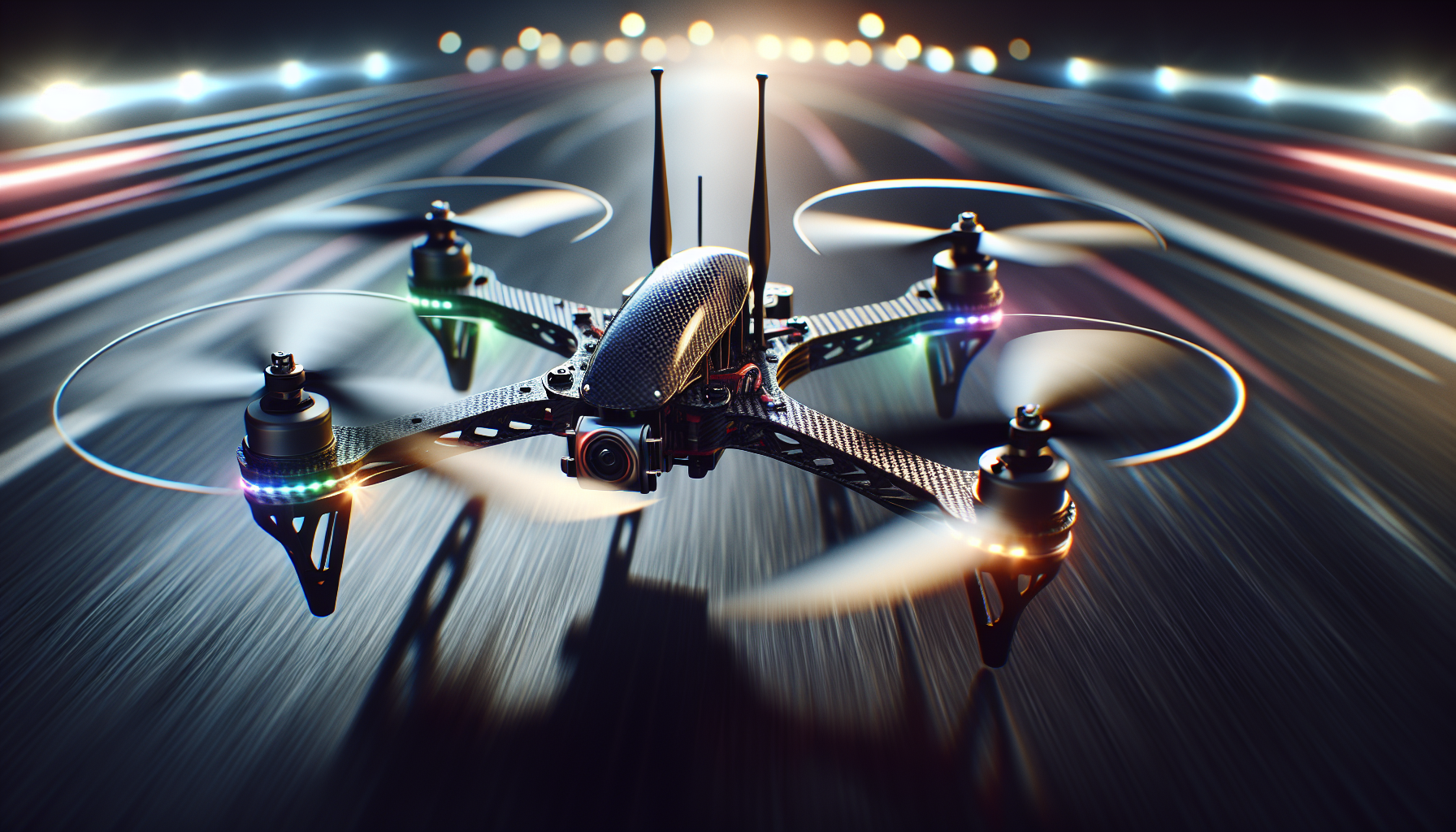
Drone racing thrills pilots
He sees pilots grin when a drone slices through the air. She feels the rush when the craft corners close to the ground. They chase speed and skill. It feels like a modern sport built from hobby shops and late-night forums. The scene looks rough at first, but it proves rich in detail and color.
What is drone racing?
Drone racing pits small, fast drones against each other on a set course. Pilots wear goggles that show a live view from each drone. He controls the craft with a radio transmitter. The sport tests reflexes, planning, and calm hands.
How the sport started
Hobbyists built fast multirotors in backyard shops. Groups organized informal contests at fields and in empty warehouses. As people recorded flights and posted videos, the sport gained a broader audience. Leagues formed and events became more formal.
Why pilots race
Pilots race for speed and skill. They love the technical work on parts and the pure feeling of flight. Some like the crowd and the contest. Others enjoy the small team work and the hands-on fixes between heats.
Types of drone racing
There are several race types. Each type asks for slightly different skills and gear. He chooses the race that matches his taste.
Time trial racing
Pilots fly alone against the clock. They try to set the fastest lap times. This race rewards precision and clean lines. She practices the same route to shave split seconds from her time.
Head-to-head racing
Two or more pilots fly the same course together. They compete for position and lap count. This format creates close calls and loud cheers. It also requires clear rules and fair refereeing.
Freestyle racing
Pilots focus on style and tricks rather than lap times. Judges score based on difficulty and showmanship. He likes flair and dramatic moves. She prefers clean, technical flying.
Long-distance relay racing
Teams pass control from one pilot to another over a longer course. They test endurance and teamwork. The format forces quick battery swaps and clear communication.
Race classes and categories
Race classes set limits on size, power, and speed. Organizers use classes to level the field. Pilots pick the class that matches their gear.
| Class name | Typical frame size (mm) | Common use |
|---|---|---|
| Tiny Whoop | 65–85 | Indoor, beginner |
| 3-inch | 75–90 | Indoor, nimble |
| 5-inch | 200–250 | Outdoor, high speed |
| Fixed-wing | Varies | Long distance races |
He reads class rules before a race. She checks rotor size and battery limits. They follow class rules to avoid disqualification.
Basic drone parts
Every drone uses the same basic parts. He inspects these parts before a race. She replaces worn items on the bench.
| Part | Function |
|---|---|
| Frame | Holds parts together |
| Motors | Spin the propellers |
| Propellers | Create thrust |
| ESC (speed controller) | Control motor speed |
| Flight controller | Stabilize and control flight |
| FPV camera | Send live video to goggles |
| Video transmitter (VTX) | Broadcast video signal |
| Receiver | Receive pilot commands |
| Battery (LiPo) | Power the drone |
He understands each part. She learns how parts fail. They practice quick swaps.
Choosing a race drone
Pilots pick a drone with balance between speed and control. He decides based on course and skill. She considers spare parts and repair time. They choose reliable motors and a solid frame.
Frame choice
A frame needs to protect parts and stay light. He prefers frames with simple arm replacement. She checks for extra mounting holes for future gear. A broken arm should not ruin the whole craft.
Motor choice
Motors determine speed and torque. He matches motor size to propellers and battery. She tests motor response under load. They choose motors that heat slowly.
Propeller choice
Propellers affect thrust and control. He selects propeller pitch for the course type. She chooses a balanced set to avoid vibration. They carry spares for every race.
Electronics choice
Electronics must fit the pilot’s skill and needs. He looks for a flight controller with a good fail-safe. She picks an ESC that handles the motor current. They prefer simple, proven components.
Building and repair basics
Pilots solder, tighten, and test between races. He keeps a small toolbox for events. She brings spare screws and a soldering iron. They fix most problems on site.
Soldering tips
He tacks parts with short solder time to avoid heat damage. She uses flux for clean joints. They test each joint with a gentle pull.
Fast repairs
He swaps a prop or an arm in minutes. She replaces a VTX if it fails. They keep a checklist for quick repairs.
Flight gear for pilots
Pilots use gear beyond the drone. He fits goggles for a clear view. She wears gloves when handling batteries. They bring a ground station and tools.
| Item | Purpose |
|---|---|
| FPV goggles | Live video feed |
| Radio transmitter | Controls the drone |
| Battery charger | Charge LiPo packs |
| Toolkit | Repairs and adjustments |
| Spare parts | Quick field fixes |
He manages gear with a simple bag. She organizes parts in labeled containers. They avoid last-minute searches.
How races work
Race organizers set a course and a schedule. Pilots register and check in. He brings his drone to technical inspection. She waits for a green light to fly.
Course layout
Race courses use gates, flags, and pylons. He studies the course map before flying. She plans racing lines and overtaking spots. They mark tricky turns for practice.
Heats and finals
Organizers split pilots into heats. Winners move to semi-finals and then finals. He races multiple times in a day. She saves energy for the final rounds.
Scoring and penalties
Officials count laps and times. They assign penalties for missed gates or unsafe flying. He listens to the marshal for rulings. She protests only when she has clear evidence.
Skills pilots need
Pilots train both hands and eyes. He practices stick control and throttle management. She studies how wind affects the craft. They refine lines and braking points.
Visual skills
Pilots scan the video feed and the course simultaneously. He learns to keep a smooth gaze. She avoids sudden, large eye movements. They build focus through repeated practice.
Motor control
Pilots modulate throttle for corners and jumps. He practices micro-adjustments. She trains to keep speed steady through gates. They develop muscle memory through drills.
Situational awareness
Pilots track other drones while racing. He watches for collisions and obstructions. She keeps a mental map of the course. They react quickly to unexpected events.
Training plans
Pilots follow a training plan. He sets clear, short goals for each session. She tracks lap times and error counts. They use a mix of simulator and real practice.
Simulators
Simulators let pilots train safely and cheaply. He practices new tracks in a simulator first. She builds confidence before flying real gear. They treat simulators as rehearsal.
Live practice
Pilots fly at practice sessions to test setups and lines. He times laps and notes problem areas. She changes components and repeats runs. They keep notes on settings and results.
Race day routine
Pilots prepare early and check gear twice. He charges spare batteries overnight. She labels packs and double-checks plug polarity. They arrive with time to spare.
Warm-up
Pilots make short test flights to warm motors and settings. He flies slow laps to confirm trims. She watches video feed quality and fixes any video noise. They take a few high-speed passes before the heat.
Pit strategy
Teams place tools and parts within reach. He plans quick battery swaps and prop hits. She assigns a crew member to guard spares. They reduce downtime between heats.
Safety and rules
Race organizers set safety rules for pilots and spectators. He follows safety lines and flight boundaries. She secures batteries and checks for sparks. They respect the rulebook to keep events safe.
Battery safety
Pilots keep batteries in safe bags when charging and storing. He inspects packs for swelling and damage. She discards damaged packs responsibly. They never charge unattended.
Signal control
Organizers manage video and control channels to avoid interference. He scans frequencies before power-up. She changes channels if she sees video noise. They avoid crowded bands.
Common problems and fixes
Racing brings frequent small failures. He expects broken props and loose screws. She carries spares for each common part. They use simple fixes to return to the race.
| Problem | Likely cause | Quick fix |
|---|---|---|
| Loss of video | VTX failure or antenna issue | Replace VTX or antenna |
| Motor wobble | Bent shaft or loose mount | Replace motor or tighten mount |
| Random flips | Bad ESC or motor signal | Replace ESC or check wiring |
| Short flight time | Weak battery or overdraw | Use fresh pack or lower throttle |
He carries this table in his head. She consults it when tools bustle on a pit table.
Tuning and setup
Pilots tune PID and filter settings on the flight controller. He changes a few numbers at a time. She logs each change and tests flights. They look for smoother handling and faster response.
PID basics
Pilots adjust P, I, and D values to match craft behavior. He raises P to reduce error quickly. She lowers I when the craft oscillates slowly. They test in small increments.
Filter settings
Pilots change filters to remove noise without slowing response. He reduces noise while preserving feel. She experiments with filter bandwidth. They strike a balance for clarity.
Battery care and charging
Pilots care for LiPo batteries with caution. He stores batteries at safe voltage when not in use. She uses a proper balance charger. They test capacity regularly.
Charging rules
Pilots charge on fireproof surfaces and never leave packs unattended. He monitors charge current and temperature. She uses an appropriate charge rate for each pack. They label packs with cycle counts.
Storage and disposal
Pilots store batteries at room temperature and safe voltage. He disposes of damaged packs at designated centers. She avoids throwing packs in regular trash. They keep records of pack health.
Helpful tools and software
Pilots use software and tools to improve performance. He links a flight logger to analyze runs. She reads sensor data to find issues. They use simple tools for effective results.
| Tool | Use |
|---|---|
| Log analyzer | Find flight issues |
| Oscilloscope | Diagnose electrical noise |
| Motor balancer | Balance propellers and motors |
| Charger with balancer | Charge and balance cells |
He learns each tool slowly. She appreciates small wins from good analysis.
Community and culture
Pilots form tight groups and trade tips freely. He meets others at local fields and online forums. She joins a club to share tools and track time. They celebrate successes and laugh at wrecks.
Events and gatherings
Pilots gather for local meets and large events. He brings food and extra batteries to help others. She offers advice for new pilots. They build friendships around a shared interest.
Mentors and coaches
Experienced pilots help beginners learn safe practices. He teaches throttle control and basic repair. She guides line choice and race etiquette. They pass knowledge through hands-on help.
Costs and budgeting
Drone racing can fit many budgets. He buys a used craft to start cheaply. She upgrades parts gradually. They track costs to avoid surprises.
| Item | Typical cost (USD) |
|---|---|
| Starter drone | 50–200 |
| Mid-range racer | 300–700 |
| High-end custom | 800–2,000+ |
| Batteries (set) | 50–150 |
| Tools and chargers | 100–300 |
| Race entry fees | 10–60 per event |
He plans a budget before big buys. She saves for a key upgrade. They avoid impulse purchases at events.
Notable events and leagues
Leagues and events bring pilots together and set standards. He attends events to test his skills. She seeks competition and new routes. They both enjoy the energy at a packed track.
Major national events
Leagues host national- and regional-level events. He watches top pilots on live streams. She learns strategies from slow motion replays. They mark those events on their calendar.
Local meets
Local meets keep the scene accessible and social. He finds friends and practice partners. She tests setups in a low-pressure setting. They return to local meets between big events.
Spectator experience
Spectators see fast action and close fights. He notices how crowds cheer at tight passes. She hears engines and feels a pulse of excitement. They often stand in one spot and follow the sky.
Watching tips
Spectators bring ear protection and a folding chair. He follows the course map and listens for announcements. She asks pilots polite questions after heats. They respect safety lines and marshal instructions.
Competitive strategies
Pilots plan lines and overtakes with care. He uses inside lines to cut distance. She waits for a clear pass to avoid a crash. They adapt strategies as the race evolves.
Positioning
Pilots hold a defensive line when leading. He avoids wide moves that let others slip by. She conserves energy for a late push. They balance risk and reward.
Overtaking
Pilots time overtakes on straight sections or after corners. He signals with predictable moves. She keeps space to avoid contact. They practice clean passes in training.
Stories from pilots
He crashed a drone on his first race and laughed afterward. She watched a veteran pilot calm a raging drone with a quick trim. They tell the same kinds of stories around the pit table: small disasters and larger laughs. Pilots trade tales of last-second passes and dramatic recoveries. Each story shows how the sport mixes skill and surprise.
A beginner’s memory
He entered the track with a new battery and no nerves. He clipped a gate on lap one and learned to laugh. She cheered from the sidelines and helped pick up parts. They remember those early mistakes as part of the fun.
A veteran’s calm
He adjusted a flight controller in the parking lot and then won a semi-final. She repaired a motor with a spare in barely five minutes. They both demonstrate that calm work often beats wild talent.
Maintenance schedule
Pilots follow a simple maintenance schedule to keep gear reliable. He inspects motors and props after each crash. She cleans camera lenses before every event. They follow checks to avoid in-race failure.
| Interval | Task |
|---|---|
| After each flight | Check props, screws, and motor mounts |
| Weekly | Balance props, tighten connectors |
| Monthly | Update firmware, test ESC and motors |
| After crash | Replace damaged parts, test systems |
He keeps a log of major repairs. She records flight hours for each motor. They plan replacements before parts fail.
Future trends
Technology keeps changing and making drones faster and lighter. He follows new motor designs and battery advances. She studies event coverage changes that help fans watch more easily. They both expect the sport to keep changing slowly with steady technical gains.
Glossary
Pilots use many short terms. He learns them quickly to fit into conversations. She studies the list and uses terms with confidence.
| Term | Meaning |
|---|---|
| FPV | First-Person View, video feed from the drone |
| VTX | Video transmitter |
| ESC | Electronic speed controller |
| PID | Proportional-Integral-Derivative, control algorithm |
| Throttle | Stick that controls motor power |
| Bind | To pair transmitter and receiver |
He carries this glossary in his head at first. She consults it when talking to new pilots. They both know that terms move from jargon to plain speech.
Frequently asked questions
Pilots and newcomers ask common questions at meets. He answers with short, clear sentences. She gives stepwise advice.
Q: How long does a race battery last?
A: Race batteries last three to five minutes on high-speed runs. He keeps several packs for each session. She checks for decreased capacity after heavy use.
Q: What is the best drone to start with?
A: A simple, sturdy 3-inch drone makes a good starter. He prefers a model with easy part swaps. She buys a basic crash kit at the same time.
Q: How much practice does a pilot need?
A: Skill grows with consistent practice. He sees clear improvement in weeks with daily practice. She reaches comfortable control in a few months.
Q: Can anyone join a race?
A: Most events welcome beginners. He must follow safety and registration rules. She brings a basic craft and listens to marshals. They both find friendly help at most meets.
Final thoughts
Drone racing offers a clear thrill and steady challenge. He learns technical skill and social bonds at the same time. She finds the sport equal parts workshop and theater. They keep racing because each flight gives a new reason to smile.